What it is
Rituals blending prayer, symbol, and intention to mark life's transitions and deepen meaning.
Sacred Ceremonies are ritualistic practices designed to create meaningful spiritual and emotional experiences through meditation, prayer,...
At a glance
What it is
Rituals blending prayer, symbol, and intention to mark life's transitions and deepen meaning.
Why explore it
May ease grief and transitions by helping you reconnect with values, heritage, and inner purpose.
How it’s experienced
A facilitator guides you through ritual elements like music or sacred objects, solo or in a group.
Evidence context
Rooted in global tradition rather than clinical trials, with emerging but still limited research support.
See the evidence snapshotSafety
Low-risk for most, but those with trauma or mental health conditions should check with a provider first.
See staying safeHistory & Origin
Sacred Ceremonies involve rituals and ceremonies designed to foster spiritual and emotional connection and growth.
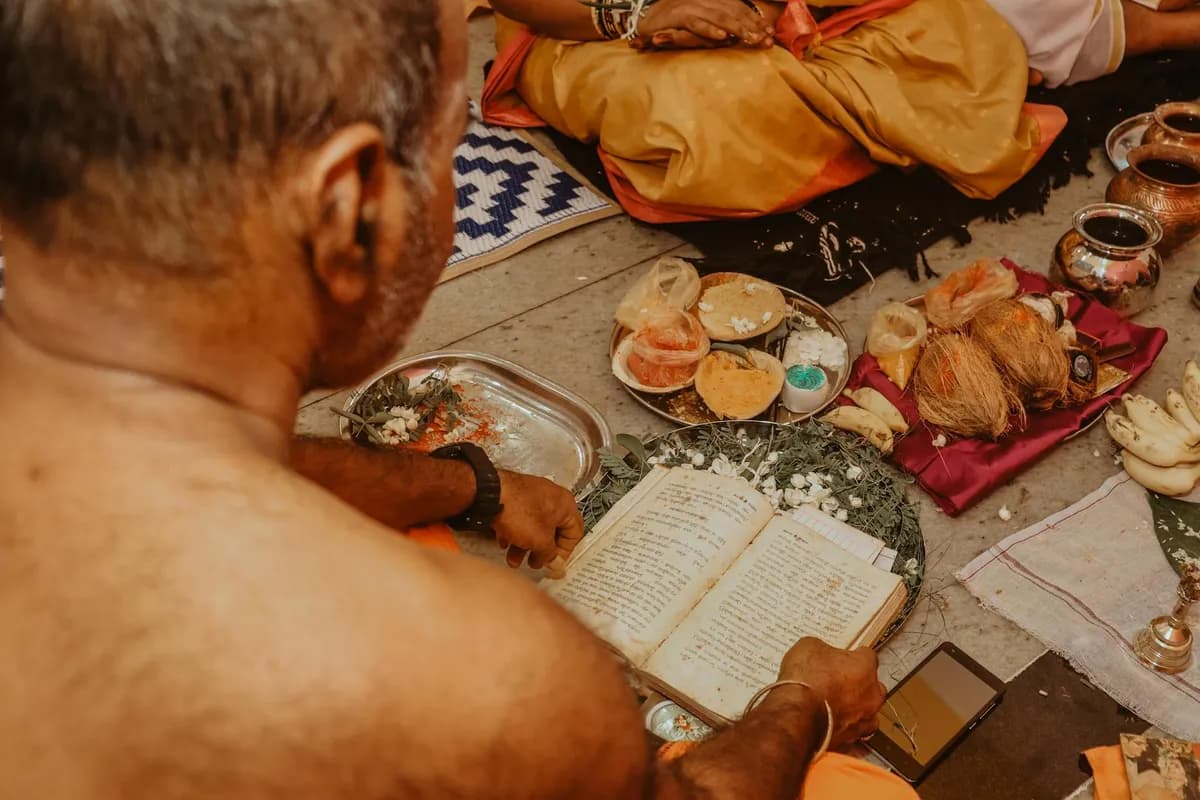
Sacred ceremonies have roots in virtually every human culture and spiritual tradition spanning thousands of years. From indigenous shamanic rituals and Aboriginal songlines to Hindu pujas, Christian sacraments, Jewish observances, and Islamic prayers, ceremonial practice represents a fundamental human impulse to mark transitions, honor the sacred, and connect with something beyond the ordinary. These practices emerged from the recognition that ritual creates psychological and spiritual containers for transformation and meaning-making.
Throughout history, ceremonies have served communal and individual purposes—from rites of passage marking life transitions to seasonal celebrations honoring natural cycles, healing rituals addressing illness and grief, and devotional practices strengthening spiritual connection. Different cultures developed distinct ceremonial forms reflecting their cosmologies, values, and environmental contexts, yet common elements appear across traditions: intention-setting, sacred space creation, symbolic actions, invocation of spiritual presence, and integration of the experience.
In contemporary Western contexts, interest in sacred ceremonies has grown alongside broader exploration of mindfulness, spiritual practice, and holistic wellness. Modern practitioners often blend traditional ceremonial elements with contemporary psychological understanding, creating hybrid approaches that honor ancestral wisdom while remaining accessible to diverse participants. This revival reflects both a response to secularization and materialist worldviews and a genuine hunger for meaning, connection, and transcendent experience in modern life.
Key contemporary influences include the work of anthropologists documenting global ceremonial traditions, spiritual teachers from various lineages sharing their practices, and practitioners synthesizing multiple traditions into eclectic approaches. The growth of wellness culture has also integrated ceremonial practices into therapeutic and coaching contexts, expanding accessibility while raising important questions about cultural appropriation, authenticity, and respectful practice.
Mechanism
Sacred Ceremonies is best framed as a traditional, symbolic, energetic, reflective, or spiritual practice rather than a validated medical mechanism. Practitioners may use ritual, attention, sound, imagery, touch-free work, cards, symbols, prayer, or intention to support meaning-making and a sense of connection. People may explore it for reflection, calm, or spiritual context, while health claims should remain cautious and personal. Sacred ceremonies create intentional spaces through structured rituals—prayer, symbolic actions, meditation, or communal gatherings—designed to facilitate psychological and spiritual shifts.
Your first visit
A typical session outline to help you feel prepared
A sacred ceremony session guides you through intentional ritual and symbolic practice to support spiritual connection, inner clarity, and meaningful experience.
Your practitioner opens with a warm conversation about what drew you here and what you're hoping to explore, so the ceremony can be shaped around your personal intentions.
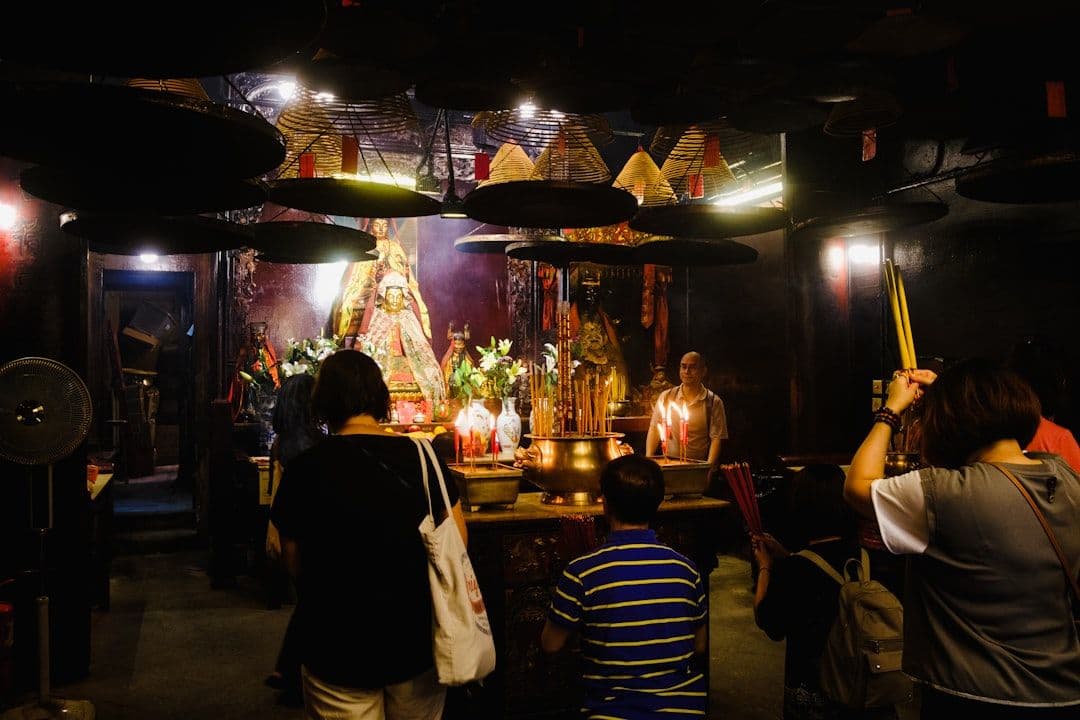
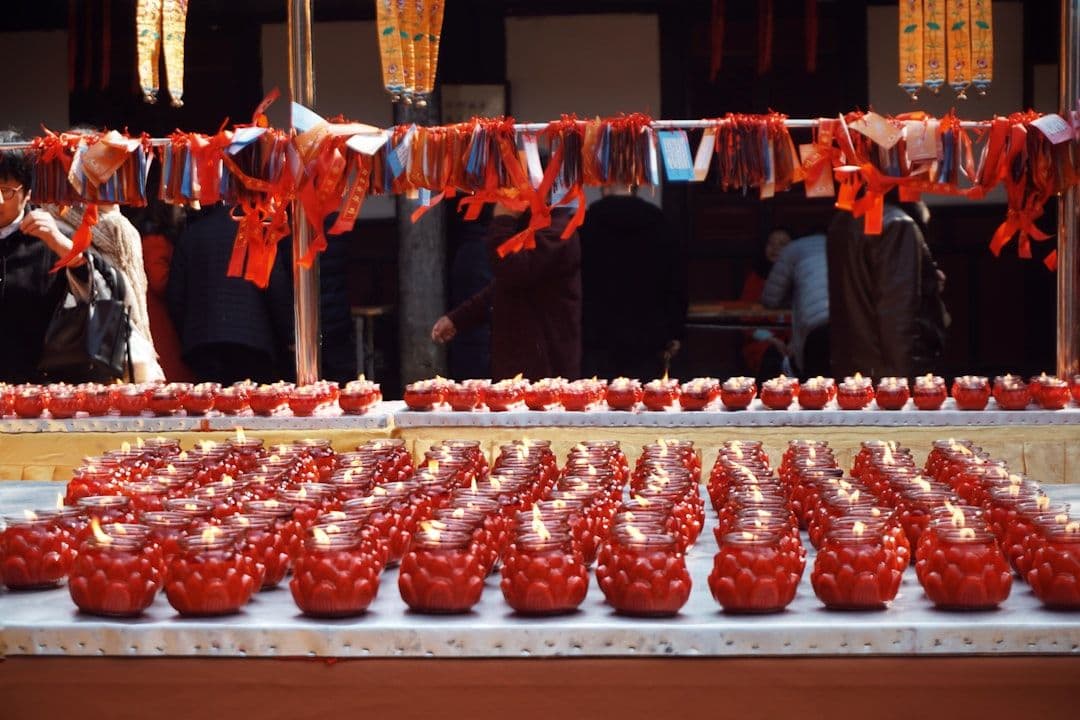
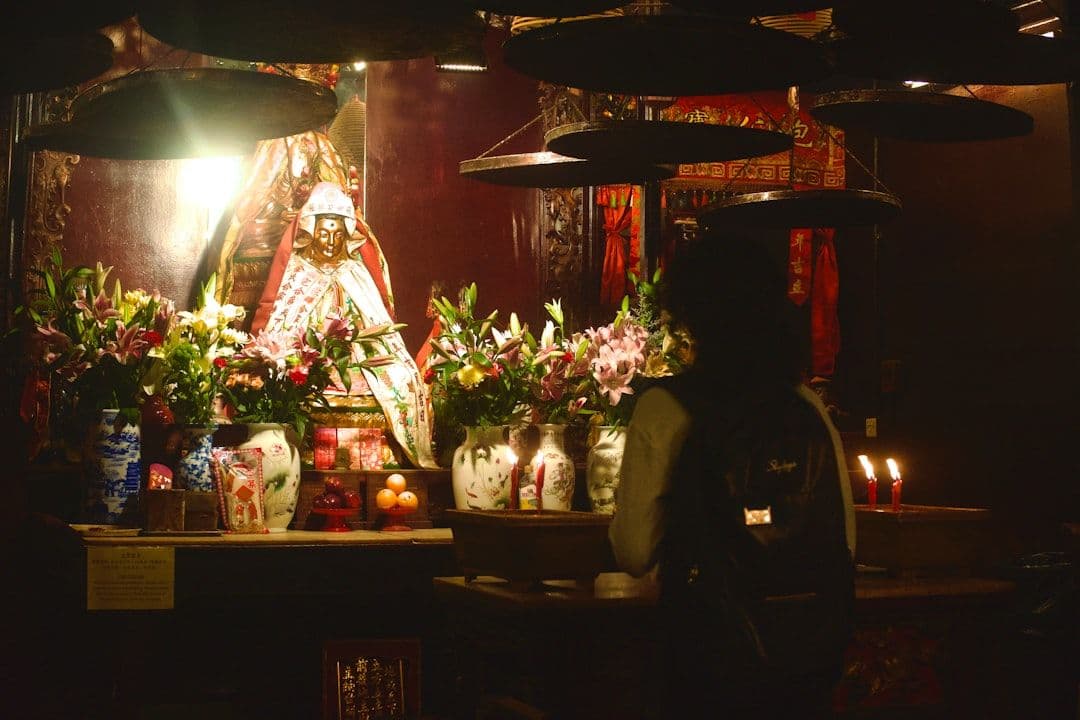
The ceremonial space is cleansed and arranged using elements like candles, sacred objects, incense, or altars, creating a container that feels safe, intentional, and set apart from everyday life.
You'll be guided through a grounding practice such as breathwork or a short meditation to help you arrive fully present before the ceremony formally begins.
Your practitioner offers a prayer, invocation, or blessing to open the ceremony, which may call in spiritual guidance, ancestors, or elemental forces depending on the tradition being honored.
The heart of the session unfolds through prayer, chanting, meditation, symbolic gesture, or other ritual forms at whatever level of participation feels comfortable and right for you.
A quiet period of integration follows the active ritual, giving you space to sit with whatever arose emotionally, spiritually, or sensorially during the ceremony.
Your practitioner formally closes the sacred space with a prayer or gesture of gratitude, marking a clear and gentle transition back to ordinary awareness.
You'll share briefly about your experience and receive guidance on how to carry the ceremony's insights forward into your daily life in a grounded, sustainable way.
The Evidence
What research and tradition tell us about sacred ceremonies, and where the limits of current knowledge lie.
Rooted in tradition; limited formal research
Sacred ceremonies belong primarily to the domain of lived spiritual experience and cultural tradition rather than clinical study. Related practices like meditation and ritual show measurable effects on wellbeing, but ceremonies themselves are not a subject of formal research.
Ceremonies are understood through the lens of spiritual and cultural frameworks rather than empirical models. Their value lies in the meaning they hold for participants, the communities they bring together, and the inner shifts they may support. These dimensions are not the primary focus of empirical research methods, and engaging with them calls for frameworks suited to lived experience and cultural meaning.
From indigenous rites of passage to devotional observances across major world religions, ceremonies represent one of humanity's most universal and enduring practices. Their longevity across vastly different cultures suggests they meet deep psychological and communal needs, even where formal evidence is absent.
Research on related practices such as meditation and communal ritual shows associations with reduced anxiety and improved sense of connection. However, these findings cannot be directly applied to sacred ceremonies as a whole. The spiritual and existential dimensions that give ceremonies meaning fall largely outside the scope of empirical investigation.
Ceremonies may support reflection, intention-setting, and a felt sense of connection to something larger than oneself. These are subjective, personal dimensions. Gyfts encourages seekers to approach ceremonial practice with curiosity and to notice what resonates, without pressure to interpret experience through any particular framework.
If you are managing active mental health conditions, recent trauma, or are in a period of acute distress, speaking with a qualified mental health professional before participating is advisable. Ceremonies are not a substitute for professional assessment or care, and work best as a complement to — not a replacement for — appropriate support.
Look for facilitators with authentic grounding in the specific tradition they work within, including verifiable cultural lineage or community accountability structures. Ask about preparation and integration support, which are often central to ceremonial practice. Be cautious of inflated outcome claims or pressure to participate uncomfortably. A trustworthy facilitator will respect your boundaries and support your existing healthcare relationships.
Safety first
General guidance to help you decide whether this approach is appropriate for you. This is informational only and not a substitute for medical, psychological, or professional advice.
If you are pregnant, managing a health condition, recovering from injury or surgery, or taking medication, consult a qualified healthcare professional first.
Some situations call for extra care or a different approach. Share any conditions, injuries, or sensitivities with your practitioner before your first session.
Look for clear boundaries, transparent pricing, and practitioners who avoid fear-based claims or pressure to book frequent sessions.
Mild, short-lived effects such as tenderness, tiredness, or temporary soreness can occur. Rest, hydrate, and tell your practitioner how you respond.
For you?
A simple, human way to weigh it up. This is general guidance, not personal medical advice — a qualified practitioner can advise on your situation.
Gyfts is a discovery platform, not a medical provider. Nothing here diagnoses, treats or replaces professional care. In an emergency, contact your local emergency number.
Explore approaches
Other practices people often explore alongside sacred ceremonies.
In their words
Read next
FAQ
A typical ceremony creates a specially prepared sacred space and unfolds through elements like guided meditation, prayer, chanting, symbolic actions, or movement. The practitioner holds a grounded, intentional presence while you participate according to your comfort level. Ceremonies typically last 45 minutes to 2 hours and conclude with grounding and integration time. The exact elements vary based on the ceremony's purpose and the practitioner's training tradition.
There's no standard prescription. Some people have a single transformative ceremony to mark a specific life transition. Others practice regularly, finding that ongoing engagement deepens the work. Your practitioner can discuss typical recommendations based on your intentions. Some people engage seasonally, while others work with ceremonies over months or years. It depends entirely on your goals and what feels right.
Ceremonies can be experienced as psychological and community practices even without traditional spiritual belief. The power of intention, ritual, symbolic meaning, and focused attention creates real psychological and emotional shifts. You don't need to believe in anything external; you can think of ceremonies as creating a container for reflection, release, and transformation. However, if you find the language or framing incompatible with your worldview, other practices might feel more authentic.
Preparation depends on the specific ceremony. Common recommendations include: getting adequate sleep beforehand, eating lightly before the session, arriving with an open mind and clear intention, wearing comfortable clothing, and avoiding alcohol or substances for 24 hours prior. Some practitioners suggest journaling about your intentions beforehand. Ask your practitioner for specific guidance—they can advise on anything that will help you show up present and grounded.
Emotional release during ceremony is common and considered part of the healing process. A skilled practitioner creates safety for whatever arises—tears, grief, joy, laughter, or catharsis—without judgment. They remain grounded and present with you. If something feels overwhelming, you can communicate this and step outside the ceremony. After ceremony, the integration period helps you process what emerged. If intense emotions continue afterward, connecting with a therapist can provide additional support.
Ceremonies can support emotional wellbeing and provide meaningful experience, but they are not replacements for professional mental health treatment. If you have depression, anxiety, trauma, or other clinical conditions, combine ceremonies with appropriate professional care. Always consult your mental health provider before starting ceremonial practice, particularly if you're on medications or in active treatment. Ceremonies work best as complementary support within a comprehensive care approach.
Seek practitioners who clearly describe their training, background, and philosophical approach; explain what ceremonies involve beforehand; maintain clear ethical boundaries; and welcome your questions. Good practitioners are transparent about credentials, don't make medical claims, respect your autonomy, and prioritize your safety. Ask for references, read reviews, and trust your intuition. A consultation call can help you assess whether you feel comfortable and aligned with their approach.
Yes, widely. Common types include seasonal ceremonies honoring natural cycles, transition ceremonies marking life changes (births, coming of age, marriage, death), healing ceremonies addressing grief or trauma, manifestation ceremonies for intention-setting, devotional ceremonies from specific spiritual traditions, and community ceremonies for connection. Some practitioners specialize in particular traditions (indigenous, Hindu, Christian, etc.), while others create eclectic approaches. Discuss what types resonate with you.
References
Educational sources that inform this overview. Inclusion is for context and does not imply endorsement.
Full citations are maintained by the Gyfts editorial team and reviewed periodically.
Keep exploring
Browse practitioners, explore honest overviews, and take what you learn to a conversation — at your own pace.