What it is
Sangoma is a Southern African healing tradition that connects people with ancestral guidance and plant medicine.
Sangoma is a traditional African healing and divination practice rooted in indigenous African spirituality, using herbs, rituals, and spi...
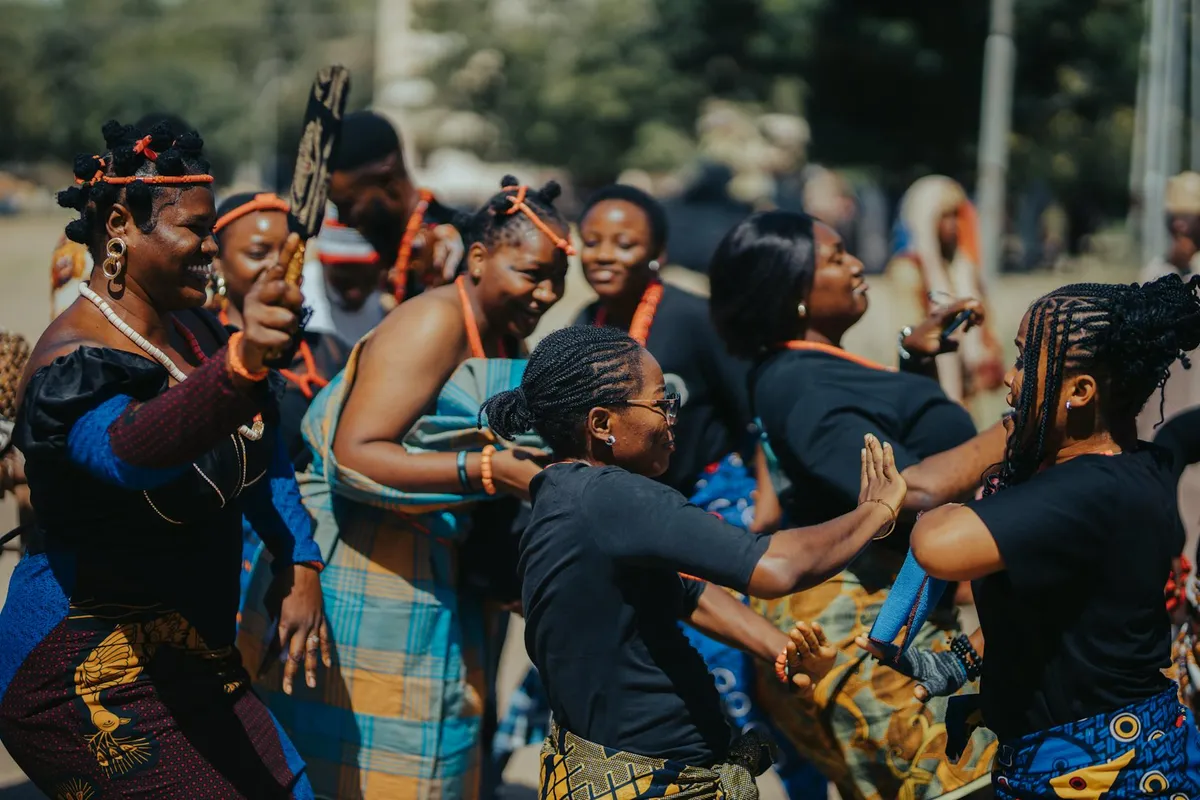
At a glance
What it is
Sangoma is a Southern African healing tradition that connects people with ancestral guidance and plant medicine.
Why explore it
People turn to sangoma for grief, spiritual disconnection, or life transitions within a cultural healing framework.
How it’s experienced
A session may include divination with bones or shells, ancestral dialogue, and personalized herbal or ritual guidance.
Evidence context
Sangoma's wisdom lives in oral tradition and cultural experience rather than formal clinical research.
See the evidence snapshotSafety
Choose a community-trusted practitioner, flag herbal remedies to your doctor, and share all practices with your healthcare team.
See staying safeHistory & Origin
Sangoma is a traditional African healing and divination practice rooted in African indigenous spirituality and culture.
Sangoma practice originates from the indigenous healing traditions of Southern Africa, particularly among Bantu-speaking peoples including the Zulu, Xhosa, Sotho, and other ethnic groups. The term 'sangoma' comes from the Zulu word and refers to traditional healers who have undergone spiritual calling and training to become intermediaries between the physical and spiritual worlds. These practices predate colonial contact and represent thousands of years of accumulated indigenous knowledge about plants, spirituality, and healing.
Historically, sangomas held central roles in their communities, serving as healers, advisors, and spiritual leaders. They worked with ancestral spirits, understood the medicinal properties of local plants, and addressed illnesses understood through both physical and spiritual frameworks. The practice remained vibrant despite colonialism and the introduction of Western medicine, as communities continued to value the holistic approach sangomas provided. In many African societies, sangomas continue to work alongside modern medical practitioners, with patients often consulting both.
The training of a sangoma traditionally involves a period of apprenticeship, spiritual initiation, and development of intuitive abilities. This often includes learning herbalism, divination techniques, ritual practices, and the cultural protocols specific to one's community. Key aspects include recognition of a spiritual calling (sometimes indicated by illness or unusual experiences), mentorship under an established practitioner, and initiation ceremonies that mark progression through levels of practice.
Sangoma practice has experienced a diaspora beyond Africa, with practitioners now working in communities across Europe, North America, and other regions where African populations have migrated. While maintaining core principles, contemporary sangomas adapt their practice to serve multicultural communities while honoring ancestral traditions. The practice remains deeply spiritual and culturally rooted, with emphasis on maintaining connection to African heritage and indigenous wisdom.
Mechanism
Sangoma is a broader health tradition or knowledge system rather than a single technique. Practitioners may draw on cultural teachings, observation, lifestyle guidance, ritual, remedies, bodywork, or community practice. Its working model should be described in its own traditional context and not overstated as biomedical proof. People may explore it for cultural continuity, reflection, and supportive wellbeing practices. A sangoma practitioner typically undergoes years of apprenticeship and spiritual initiation within their community, developing skills in herbalism, divination, and ritual practice.
Your first visit
A typical session outline to help you feel prepared
A Sangoma session blends ancestral divination, herbal wisdom, and spiritual guidance into a deeply personal ritual experience tailored to your whole being.
You'll be welcomed into a space that may be decorated with ceremonial objects, animal skins, or ancestral symbols. Take a moment to settle in and set aside expectations — this is a sacred, unhurried environment.
The sangoma will invite you to speak about what has brought you in — your physical concerns, emotional struggles, family dynamics, or spiritual unrest. There are no wrong answers; the more openly you
Before divination begins, the sangoma will call upon their ancestral guides and yours through prayer, song, or burning of impepho, a sacred herb. You may be asked to state your name and lineage aloud
The sangoma will cast a set of bones, shells, or other sacred objects onto a mat and carefully read the patterns they form. This is the core diagnostic moment — the bones reveal information about your
The sangoma will explain what the bones have shown, often referencing ancestral messages, blockages, or imbalances. This is a two-way conversation — you're encouraged to ask questions and respond as t
Based on the reading, the sangoma may prescribe herbal preparations, ritual baths, a specific ceremony, or ancestral offerings. These recommendations are highly individualized and may address your spi
The session is brought to a close with a brief prayer or blessing intended to seal the work and send you off with protection. The sangoma may burn more impepho or offer a final word of guidance from the ancestors.
Before you leave, the sangoma will walk you through any follow-up steps — how to prepare an herbal remedy, when to perform a ritual bath, or whether a return visit is recommended. Write these instruct
The Evidence
What research and tradition tell us about this living indigenous healing practice from Southern Africa.
A millennia-old tradition with minimal formal research
Sangoma practice is supported by extensive traditional knowledge and community continuity rather than clinical trials. Some associated plant medicines have been studied in laboratory settings, but the practice as a whole remains largely outside formal research frameworks.
No randomized controlled trials have evaluated sangoma practice as a whole. Some plants used by sangomas show bioactivity in laboratory and animal studies, but research on specific preparations and dosages used in practice is sparse. The spiritual and ritual dimensions are not measurable through conventional research methods, and absence of study should not be read as evidence of ineffectiveness.
Sangoma practice represents thousands of years of accumulated indigenous knowledge maintained through oral tradition, spiritual calling, and structured apprenticeship. It operates within a coherent worldview where health, ancestry, community, and spirit are interconnected. This framework is distinct from biomedical models and should be understood on its own terms rather than evaluated solely by clinical standards.
Among Zulu, Xhosa, Sotho, and other Bantu-speaking peoples, sangomas have historically addressed physical, psychological, and spiritual dimensions of wellbeing together. This practice remained vibrant through colonialism and continues to serve communities who value its holistic approach. For many people, engaging a sangoma is a culturally meaningful act embedded in identity and community belonging.
Herbal preparations used by some sangomas may interact with medications or be inappropriate during pregnancy — always inform your conventional healthcare provider. If you have a serious psychiatric condition, consult your mental health provider before engaging in practices involving altered states or intense emotional processing. Do not delay professional assessment for acute or unexplained physical symptoms.
Authentic sangomas typically undergo years of spiritual calling and formal apprenticeship within their community. In South Africa, the Traditional Health Practitioners Act provides a regulatory framework, though implementation varies. Seek practitioners with recognized community standing and transparent practices. Be cautious of inflated outcome claims or pressure to discontinue conventional care.
Because formal research is minimal, it is not possible to make evidence-based claims about effectiveness for specific health conditions. Sangoma practice is best understood as a complementary and culturally grounded resource rather than a standalone intervention for medical concerns. People with serious or undiagnosed health conditions should seek qualified conventional care alongside or before engaging this practice.
Safety first
General guidance to help you decide whether this approach is appropriate for you. This is informational only and not a substitute for medical, psychological, or professional advice.
If you are pregnant, managing a health condition, recovering from injury or surgery, or taking medication, consult a qualified healthcare professional first.
Some situations call for extra care or a different approach. Share any conditions, injuries, or sensitivities with your practitioner before your first session.
Look for clear boundaries, transparent pricing, and practitioners who avoid fear-based claims or pressure to book frequent sessions.
Mild, short-lived effects such as tenderness, tiredness, or temporary soreness can occur. Rest, hydrate, and tell your practitioner how you respond.
For you?
A simple, human way to weigh it up. This is general guidance, not personal medical advice — a qualified practitioner can advise on your situation.
Gyfts is a discovery platform, not a medical provider. Nothing here diagnoses, treats or replaces professional care. In an emergency, contact your local emergency number.
Explore approaches
Other practices people often explore alongside sangoma.
In their words
FAQ
These terms are often used interchangeably by outsiders but carry important distinctions within African traditions. Sangoma refers to a trained, initiated healer who works with ancestral spirits and community-recognized practices for healing and guidance. The term 'witch doctor' is considered colonial and often derogatory terminology that misrepresents African healing practices. Authentic sangomas undergo rigorous training, follow ethical codes, and operate within their cultural communities with clear roles and responsibilities. The term reflects the perspective of the practitioner and their commitment to healing.
Sangomas use herbs and plant materials selected from their local ecosystems and cultural traditions, chosen for both medicinal and spiritual properties. These might include roots, barks, leaves, and flowers prepared as teas, infusions, poultices, or other forms. Specific herbs vary by region and tradition but may include plants like rooibos, honeybush, various African tree barks, and other indigenous plants. All herbal recommendations should be discussed with a healthcare provider, particularly if you take medications, have allergies, or are pregnant.
The number of sessions varies greatly depending on your situation, the nature of your concerns, and your goals. Some people benefit from a single consultation for guidance or clarity, while others engage in ongoing monthly or quarterly sessions for spiritual support and life guidance. Acute concerns might require more frequent sessions initially, then space out as progress is made. Your sangoma will work with you to develop an appropriate treatment plan and can adjust frequency based on your response and needs.
This depends on individual beliefs and the specific tradition of both sangoma practice and your religion. Many people successfully integrate sangoma practice with Christianity, Islam, and other faiths, seeing them as complementary approaches to wellbeing. Others may experience conflicts between worldviews. It's important to be honest with yourself about your comfort level and to discuss any concerns with both your sangoma and your spiritual advisor. An ethical practitioner respects your existing beliefs and will not pressure you to adopt incompatible spiritual frameworks.
Divination is a practice where the sangoma uses tools (bones, cards, or other instruments) to access intuitive or spiritual insight into your situation. The practitioner casts or arranges these tools and interprets patterns and meanings according to their training and tradition. Divination may provide clarity about underlying causes of your concerns, guidance on next steps, or perspective on life situations. Think of it as a focused conversation that may reveal new insights rather than as fortune-telling. The effectiveness often depends on your openness and the sangoma's interpretive skill.
Sangoma practice can support your overall wellbeing while living with chronic illness by addressing emotional, spiritual, and psychosocial dimensions of your experience. Many people find that spiritual support, herbal remedies, and ritual practices improve their quality of life and sense of meaning. However, sangoma practice should complement, not replace, appropriate medical management of chronic conditions. Work with both your healthcare provider and your sangoma, keeping each informed about the other's recommendations.
The best way to find a reputable practitioner is through trusted referrals from community members, cultural organizations, or established networks. Look for practitioners who are recognized within their cultural community, have a stable practice location, and come with consistent positive references. Be cautious of anyone claiming extraordinary powers, guaranteeing cures, or operating primarily online without community rootedness. Interview potential practitioners about their training, experience, and approach. Trust your intuition—a good fit should feel respectful, clear, and ethical.
References
Educational sources that inform this overview. Inclusion is for context and does not imply endorsement.
Full citations are maintained by the Gyfts editorial team and reviewed periodically.
Keep exploring
Browse practitioners, explore honest overviews, and take what you learn to a conversation — at your own pace.