What it is
A structured path for learning meditation, energy work, and ritual within a spiritual tradition.
Spiritual Training is a structured educational approach that teaches individuals various spiritual practices and techniques—such as med...
At a glance
What it is
A structured path for learning meditation, energy work, and ritual within a spiritual tradition.
Why explore it
Formal training can deepen self-awareness and build real skill in practices like Reiki or Qigong.
How it’s experienced
Learning unfolds through workshops, apprenticeships, guided meditation, and study with a teacher.
Evidence context
Rooted in millennia of tradition; modern clinical research is limited and benefits vary by person.
See the evidence snapshotSafety
Generally low-risk, but choose teachers who are transparent and respect your thinking and autonomy.
See staying safeHistory & Origin
Spiritual - Training offers training and education in various spiritual practices and techniques to enhance spiritual growth.
Spiritual training has existed across virtually all human cultures and religious traditions for thousands of years. From Hindu ashrams and Buddhist monasteries to Indigenous shamanic apprenticeships and Western esoteric schools, the formalized teaching of spiritual practices has been a cornerstone of human development. What distinguishes modern Spiritual Training is the adaptation of these ancient methodologies into contemporary, often secular frameworks accessible to practitioners from diverse backgrounds.
The systematization of spiritual education in the West gained particular momentum during the 19th and 20th centuries, as interest in Eastern philosophies, Theosophy, and metaphysical traditions grew among Western audiences. Teachers like Madame Blavatsky, Rudolf Steiner, and later Paramahansa Yogananda brought structured spiritual curricula to Western students, establishing schools and training programs based on traditional wisdom. This era marked a shift from spiritual training as exclusively religious or cultural practice to spiritual training as a deliberate educational modality available across lineages.
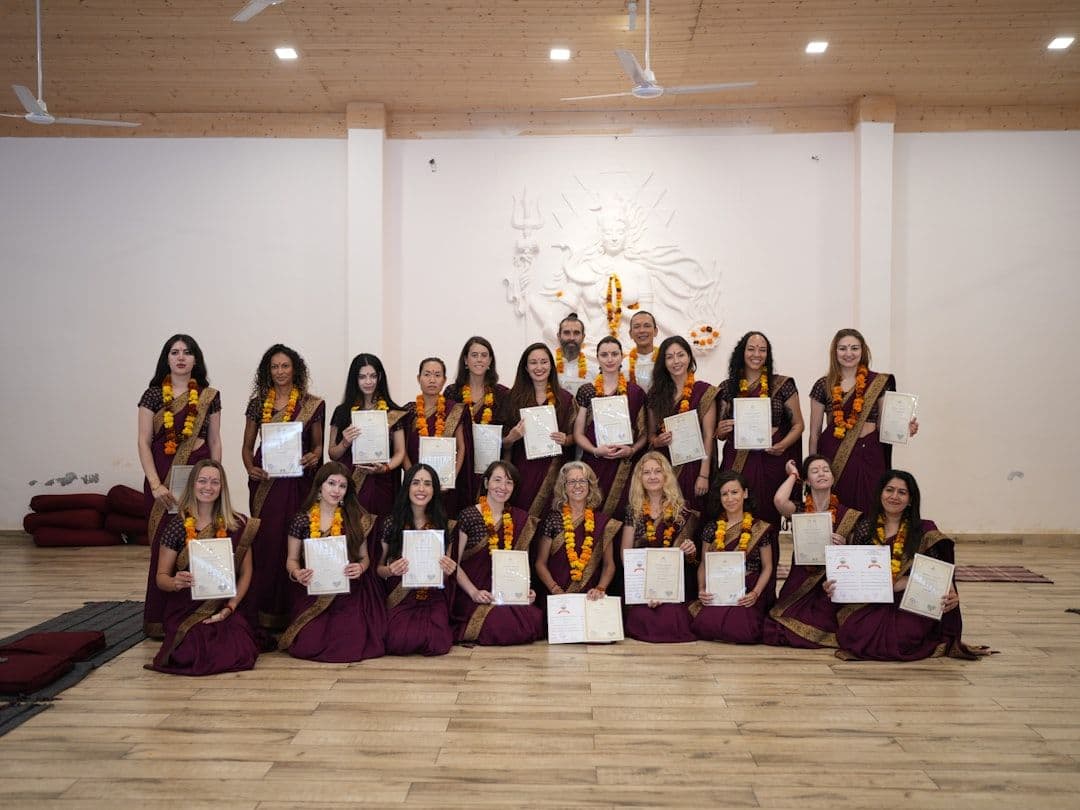
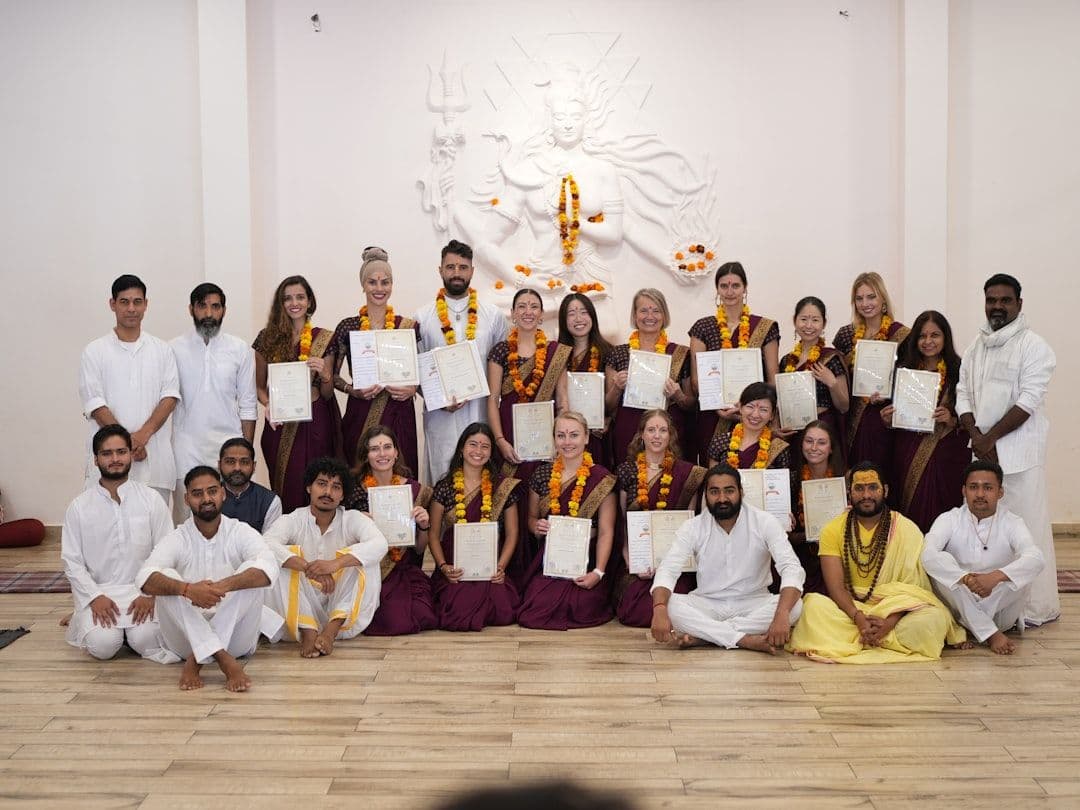
Contemporary Spiritual Training encompasses an eclectic range of approaches: Vipassana meditation programs, Kundalini yoga teacher trainings, Reiki certifications, energy healing schools, and secular mindfulness-based curricula. Modern practitioners often synthesize traditional teachings with contemporary psychology and neuroscience, creating hybrid frameworks. The proliferation of online platforms, workshops, and certification programs has democratized access to spiritual training, though quality, rigor, and authenticity vary significantly across offerings.
Mechanism
Spiritual Training is best framed as a traditional, symbolic, energetic, reflective, or spiritual practice rather than a validated medical mechanism. Practitioners may use ritual, attention, sound, imagery, touch-free work, cards, symbols, prayer, or intention to support meaning-making and a sense of connection. People may explore it for reflection, calm, or spiritual context, while health claims should remain cautious and personal. Spiritual training operates through structured, often progressive instruction in contemplative or metaphysical practices.
Your first visit
A typical session outline to help you feel prepared
A spiritual training session blends conversation, practice, and reflection to support your inner growth and deepen your awareness over time.
Your trainer greets you and gives you a moment to arrive fully, perhaps with a glass of water or a brief moment of stillness to leave the outside world behind.
You share where you are today emotionally, mentally, and spiritually. Your trainer listens carefully and uses this to shape the focus of your session.
Together you clarify a specific intention for the session, whether that's deepening presence, working through a block, or exploring a spiritual concept that calls to you.
Your trainer guides you into a grounding or centering exercise, often a short breathwork sequence or meditation, to quiet mental chatter and open you to the work ahead.
This is the heart of the session and may include guided meditation, energy practices, philosophical inquiry, ritual, or visualization, tailored entirely to your path and intention.
You talk through what arose during the core work, noticing insights, sensations, emotions, or imagery, and your trainer helps you make meaning of the experience.
Your trainer offers a simple daily practice to carry the session's work forward, such as a mantra, journaling prompt, breathwork exercise, or ritual to try on your own.
The session ends with a brief grounding moment to help you return to everyday life feeling settled, clear, and connected before you head back out into your day.
The Evidence
What research and tradition tell us about spiritual training, and where the evidence is strong, limited, or still emerging.
Rooted in tradition; components vary in research support
Spiritual training as a whole has limited empirical study, though core components like meditation and mindfulness have meaningful research support. Other elements—energy work, ritual, metaphysical philosophy—are studied primarily within practitioner communities rather than by independent researchers.
Spiritual training works with concepts—consciousness, energy, inner development—that fall outside standard clinical frameworks. This does not make the experiences less real to participants, but it does mean that conventional research tools are not well suited to evaluating the full scope of what is taught or experienced. Gyfts presents this content educationally, not as a health intervention.
Some research, including reviews of meditation and mindfulness practices, suggests benefits for stress and emotional wellbeing. These findings apply to those specific practices, not to spiritual training programs as a whole. Other components—such as energy work or metaphysical instruction—have far less independent research, and available studies are often small or conducted within practitioner communities.
What distinguishes spiritual training as a modality is its emphasis on structured curriculum and deliberate teacher-student transmission—not simply exposure to ritual or meditation, but a progressive development of understanding within a lineage or school. Hindu, Buddhist, Indigenous, and Western esoteric traditions have each formalized this process. Modern programs adapt these frameworks for contemporary seekers, often across secular or cross-cultural settings.
It is not currently possible to make evidence-based claims about spiritual training programs as a whole. Outcomes depend heavily on the tradition, the teacher, the seeker's goals, and the specific practices involved. Anyone seeking spiritual training for a specific health concern should also maintain contact with qualified health professionals.
People with active psychosis, severe bipolar disorder, dissociative disorders, or acute trauma histories should consult their mental healthcare provider before beginning intensive spiritual training. Some advanced techniques—deep meditation, energy work—may be unsettling for those in vulnerable psychiatric states. There are no absolute contraindications to learning about spiritual practices in general, but a trauma-informed environment is advisable for some seekers.
There is no universal licensing body for spiritual trainers. Look for teachers with transparent credentials, clear lineage or training background, and a willingness to discuss boundaries and limitations openly. A reputable trainer will not make inflated outcome claims, will respect your existing healthcare relationships, and will refer you onward if your needs fall outside their scope.
Safety first
General guidance to help you decide whether this approach is appropriate for you. This is informational only and not a substitute for medical, psychological, or professional advice.
If you are pregnant, managing a health condition, recovering from injury or surgery, or taking medication, consult a qualified healthcare professional first.
Some situations call for extra care or a different approach. Share any conditions, injuries, or sensitivities with your practitioner before your first session.
Look for clear boundaries, transparent pricing, and practitioners who avoid fear-based claims or pressure to book frequent sessions.
Mild, short-lived effects such as tenderness, tiredness, or temporary soreness can occur. Rest, hydrate, and tell your practitioner how you respond.
For you?
A simple, human way to weigh it up. This is general guidance, not personal medical advice — a qualified practitioner can advise on your situation.
Gyfts is a discovery platform, not a medical provider. Nothing here diagnoses, treats or replaces professional care. In an emergency, contact your local emergency number.
Explore approaches
Other practices people often explore alongside spiritual training.
In their words
FAQ
Sessions typically include guided practice (meditation, breathwork, energy work, or ritual), direct instruction in techniques or philosophy, personalized feedback from the trainer, and sometimes group discussion or reflection. The specific content varies widely depending on the tradition and trainer. Sessions may last anywhere from 30 minutes to several hours, and occur weekly, monthly, or in intensive formats. Most trainers assign between-session practices to support continued development.
The number of sessions depends entirely on your goals and the structure of the training program. Some introductory workshops are a single day or weekend. Other programs unfold over months or years. Many spiritual traditions consider development to be lifelong. A meaningful engagement typically involves at least several sessions to develop foundational skills and understanding. Discuss the program structure and timeline with your prospective trainer during initial consultation.
No. While spiritual training can support wellbeing and personal growth, it is not a replacement for mental healthcare, medical treatment, or therapy. If you are experiencing mental health symptoms, medical conditions, or psychological distress, consult with a qualified healthcare provider. Spiritual training is best viewed as a complementary practice that can coexist with appropriate professional care.
Not necessarily. Many spiritual training programs welcome beginners and are designed to teach foundational practices and understanding. However, some advanced trainings or certifications assume prior knowledge. When selecting a program, confirm that it matches your experience level. A good trainer will meet you where you are and gradually build your skills and understanding.
Look for trainers who are transparent about their training background and lineage, who provide verifiable credentials or references, who encourage questions and critical thinking, and who maintain ethical boundaries. Avoid trainers who are secretive, demand blind faith, isolate students, or use spiritual teaching for financial exploitation. If possible, speak with current or former students, and trust your instinct if something feels off.
This depends on the specific training. Some spiritual training programs are secular and philosophical, while others are rooted in particular religious or cultural traditions. Some individuals integrate spiritual training with their existing faith, while others view them as separate. Discuss how a training approach relates to (or differs from) your existing beliefs before beginning. A respectful trainer will honor your worldview and help you determine compatibility.
Experiences vary widely and are highly individual. Some practitioners report increased calm, clarity, or self-awareness. Others notice shifts in how they relate to emotions or situations. Some experience subtle or profound spiritual insights. Many notice no dramatic changes but find that regular practice gradually supports their wellbeing and sense of purpose. A quality trainer will remind you that absence of dramatic experience does not indicate lack of progress, and that the most lasting benefits often unfold slowly over time.
Spiritual training is generally safe when pursued with a qualified, ethical teacher in a supportive environment. Risks increase with coercive or manipulative teachers, unsupervised intensive practice (particularly for those with mental health vulnerabilities), and approaches that encourage abandonment of medical care or healthy relationships. Choose trainers carefully, maintain balance in your practice, keep other areas of your life stable, and do not hesitate to step back if practice destabilizes you.
References
Educational sources that inform this overview. Inclusion is for context and does not imply endorsement.
Full citations are maintained by the Gyfts editorial team and reviewed periodically.
Keep exploring
Browse practitioners, explore honest overviews, and take what you learn to a conversation — at your own pace.