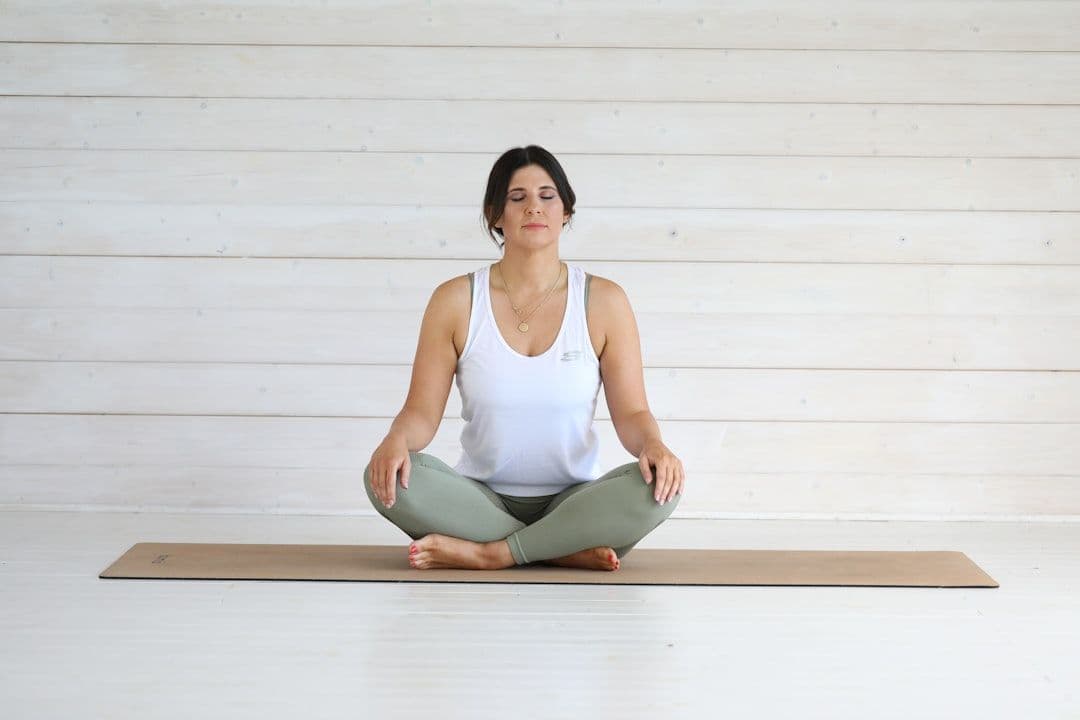
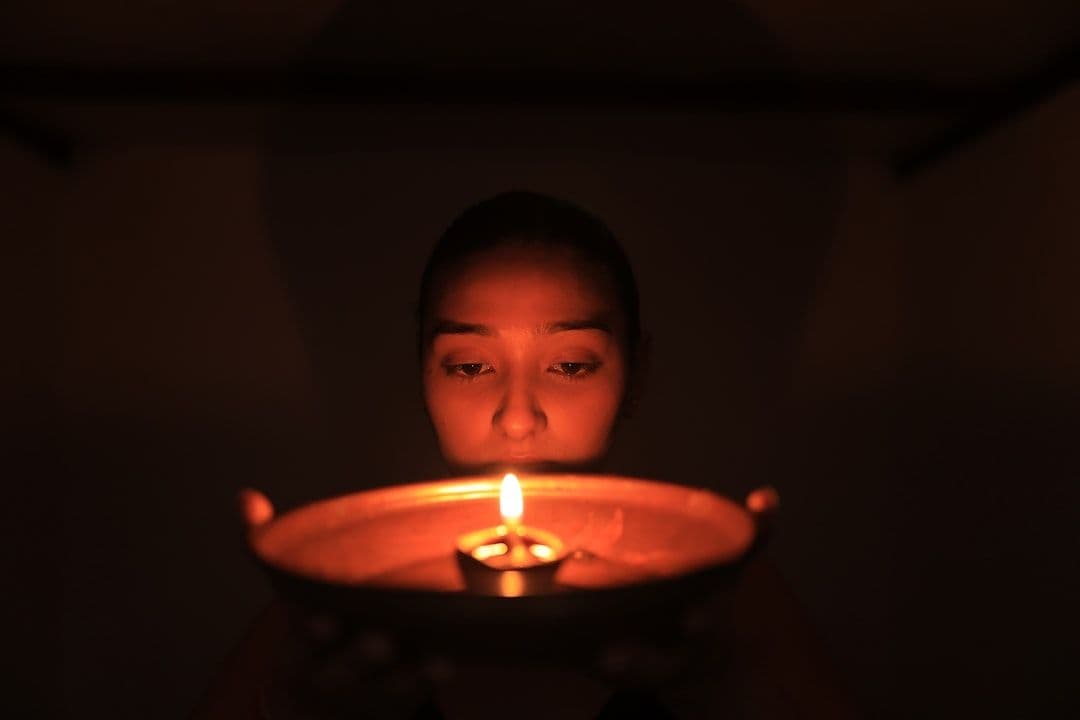
What it is
An Islamic mystical path using chanting, movement, and meditation for inner healing.
Sufi Healing is a spiritual practice rooted in Islamic mystical traditions that integrates meditation, movement, and sacred chanting to f...
At a glance
What it is
An Islamic mystical path using chanting, movement, and meditation for inner healing.
Why explore it
Dhikr and sacred ritual may ease anxiety and grief for spiritually rooted seekers.
How it’s experienced
Expect guided chanting, breathwork, and sometimes whirling in solo or group circles.
Evidence context
Rooted in centuries of tradition; clinical research is limited and outcomes vary.
See the evidence snapshotSafety
Low-risk for most, but consult a doctor if you have heart, seizure, or dissociative concerns.
See staying safeHistory & Origin
Sufi Healing combines healing and spiritual growth practices rooted in Sufi traditions to promote inner transformation and connection with the divine.
Sufism, the mystical dimension of Islam, emerged in the 8th and 9th centuries as practitioners sought deeper spiritual connection beyond external religious observance. The term "Sufi" likely derives from "suf" (wool), referencing the simple garments worn by early ascetic practitioners. Sufi orders (tariqas) developed across the Islamic world, each with distinct practices and lineages, spreading from the Middle East to North Africa, Central Asia, Turkey, and South Asia over centuries.
Key figures in Sufi history include Rabia al-Basri (8th century), known for her devotional love of God; Al-Ghazali (11th century), who synthesized Islamic law with mystical practice; and Rumi (13th century), whose poetry and teachings on spiritual transformation became globally influential. These masters developed systematic approaches to inner purification and divine connection that form the foundation of contemporary Sufi healing practices.
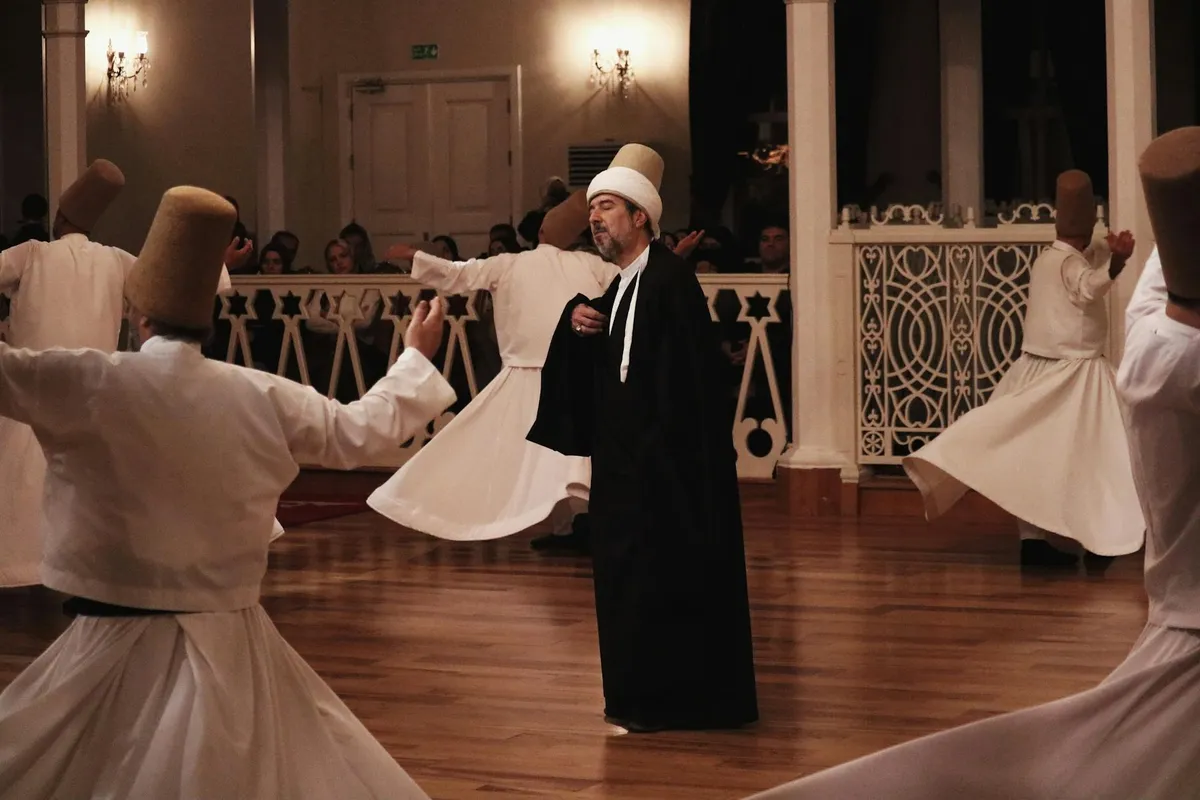
Sufi healing practices draw from classical techniques including dhikr (remembrance of God through sacred phrases), sama (spiritual concert and movement), and muraqaba (Sufi meditation). The whirling ceremony, formalized by the Mevlevi order founded by Rumi's followers, became one of the most recognizable Sufi practices. Throughout history, Sufi masters integrated healing with spiritual guidance, viewing emotional and spiritual wellbeing as interconnected aspects of human development.
In modern times, Sufi healing has spread globally as both a spiritual discipline and a complementary health practice. While rooted in Islamic tradition, contemporary practitioners from diverse backgrounds have adapted these techniques for secular wellness contexts, maintaining their core focus on inner transformation, mindfulness, and connection to deeper dimensions of consciousness.
Mechanism
Sufi Healing is best framed as a traditional, symbolic, energetic, reflective, or spiritual practice rather than a validated medical mechanism. Practitioners may use ritual, attention, sound, imagery, touch-free work, cards, symbols, prayer, or intention to support meaning-making and a sense of connection. People may explore it for reflection, calm, or spiritual context, while health claims should remain cautious and personal. Sufi healing operates through contemplative and embodied practices designed to quieten the rational mind and cultivate direct spiritual experience.
Your first visit
A typical session outline to help you feel prepared
A Sufi Healing session weaves sacred breath, chanting, and spiritual guidance into a gentle journey toward inner stillness and heart-centered awareness.
You arrive to a calm, softly lit space often scented with rose water or oud. The practitioner greets you warmly and invites you to settle in, remove your shoes, and sit comfortably on a cushion or chair.
The practitioner opens with an unhurried conversation about your intentions, emotional state, and any spiritual questions on your heart. This helps shape the session and creates a foundation of trust
The session is formally opened with a short Arabic blessing or invocation, often from the Quran or classical Sufi tradition, to sanctify the space and set a sacred container for the work ahead.
You are guided through a rhythmic breathing practice rooted in Sufi tradition, sometimes called tawajjuh, to quiet the mind and draw your awareness inward. You may feel a gentle warmth or tingling as the breath deepens.
The practitioner leads you in repetitive sacred chanting, or zikr, using divine names or phrases such as Allah Hu. You may chant aloud together or simply listen and absorb, allowing the vibration to s
Woven into the session, the practitioner may share passages from Rumi's poetry, Sufi parables, or spiritual teachings directly relevant to your intentions, offering insight rather than instruction.
After the active practices, you rest in guided silence for several minutes, allowing everything to integrate. Many people feel emotionally lighter, quietly tearful, or simply very still and present.
The practitioner gently closes the session with a final blessing and checks in about how you are feeling. You may receive simple suggestions for maintaining the heart-opening between sessions, such as
The Evidence
What research and tradition tell us about Sufi Healing, and where the evidence is strong, limited, or still emerging.
Centuries of tradition; limited formal clinical research
Sufi Healing is grounded in over a thousand years of documented spiritual practice across Islamic cultures. Formal clinical research on it as a unified modality is sparse, though some component practices such as meditation show broader evidence for wellbeing.
Sufism emerged in the 8th and 9th centuries as practitioners sought direct inner experience of the divine. Figures such as Rabia al-Basri, Al-Ghazali, and Rumi shaped systematic approaches to inner purification that remain foundational today. This tradition carries its own evaluative framework, distinct from clinical research models.
Meditation and contemplative practices broadly show modest evidence for reducing stress and supporting emotional wellbeing. Some research has examined meditative traditions in Islamic contexts. However, rigorous controlled trials evaluating Sufi healing protocols specifically are sparse, and the spiritual nature of the work makes conventional trial methodology difficult to apply.
Within the MACH framework, Sufi Healing sits in the Holistic category, integrating contemplative, embodied, and relational dimensions of wellbeing. Practices such as dhikr, sacred chanting, and guided movement are understood to support inner transformation over time, not as quick interventions but as sustained disciplines.
This modality operates within a spiritual paradigm and should not be positioned as a replacement for professional mental health support, medical assessment, or evidence-based care. Inflated outcome claims should be viewed with caution. It may complement conventional care but is not a standalone response to serious clinical presentations.
Those with active psychosis, severe dissociative disorders, untreated trauma, seizure disorders, or serious cardiovascular conditions should consult a qualified healthcare provider before engaging. Intensive spiritual practices can occasionally intensify certain symptoms in vulnerable individuals. Acute suicidal ideation requires professional mental health support as the primary response.
Sufi practice is traditionally transmitted through a qualified teacher (murshid) within an established lineage. When seeking a practitioner, look for transparent lineage, community accountability, and clear ethical boundaries. Be cautious of practitioners making inflated outcome claims or who discourage you from maintaining conventional healthcare relationships.
Safety first
General guidance to help you decide whether this approach is appropriate for you. This is informational only and not a substitute for medical, psychological, or professional advice.
If you are pregnant, managing a health condition, recovering from injury or surgery, or taking medication, consult a qualified healthcare professional first.
Some situations call for extra care or a different approach. Share any conditions, injuries, or sensitivities with your practitioner before your first session.
Look for clear boundaries, transparent pricing, and practitioners who avoid fear-based claims or pressure to book frequent sessions.
Mild, short-lived effects such as tenderness, tiredness, or temporary soreness can occur. Rest, hydrate, and tell your practitioner how you respond.
For you?
A simple, human way to weigh it up. This is general guidance, not personal medical advice — a qualified practitioner can advise on your situation.
Gyfts is a discovery platform, not a medical provider. Nothing here diagnoses, treats or replaces professional care. In an emergency, contact your local emergency number.
Explore approaches
Other practices people often explore alongside sufi healing.
In their words
FAQ
Sufi practices originated within Islamic tradition, but contemporary Sufi healing is often adapted for people of all faiths and secular backgrounds. Some practitioners maintain strict Islamic contexts, while others offer secular-adapted versions. It's essential to clarify with your practitioner whether the practice includes Islamic religious elements and whether you're comfortable with that. You don't need to be Muslim to benefit, but respect for the tradition's origins is important.
While Sufi practices include meditation, they're distinctive in emphasizing sacred remembrance (dhikr), often incorporating movement and sound, and maintaining a specific focus on divine connection and inner transformation within a spiritual framework. Other meditation traditions may focus more on mental clarity, stress reduction, or secular mindfulness without the spiritual devotional component.
Whirling (sema) is a moving meditation where practitioners spin in a coordinated way, often with one palm facing up (receiving) and one facing down (giving). The practitioner maintains gentle focus while rotating, which can induce meditative states and is traditionally understood to facilitate spiritual opening. It requires coordination and balance but is gentle enough for most people. Dizziness typically subsides as the nervous system adjusts.
Some people experience profound shifts in a single session, while others benefit from consistent practice over weeks or months. Spiritual development is typically gradual rather than linear. Most practitioners recommend at least 4-6 sessions to establish a sustainable practice and notice meaningful shifts. Consistency matters more than intensity—regular weekly practice often produces better results than sporadic sessions.
Many people find Sufi practices helpful for anxiety and low mood through stress reduction, sense of connection, and spiritual meaning-making. However, for diagnosed depression or anxiety disorders, these practices should complement professional mental health treatment, not replace it. Discuss your interest in Sufi healing with your therapist or doctor to ensure coordination of care.
Yes, Sufi healing can complement conventional mental health treatment and medication. Inform both your mental health professional and your Sufi healing practitioner about all supports you're using. Ensure your practitioner doesn't suggest stopping medications or therapy. The combination of approaches often provides more comprehensive support than either alone.
Responses vary widely. Many people feel deeply peaceful, grounded, and clear. Others experience emotional release—tears, laughter, or processing of feelings. Some feel energized; others feel deeply relaxed. Occasionally, uncomfortable emotions or memories surface as the mind becomes still. This is generally understood as healing, but pace yourself and communicate openly with your practitioner about your experience.
References
Educational sources that inform this overview. Inclusion is for context and does not imply endorsement.
Full citations are maintained by the Gyfts editorial team and reviewed periodically.
Keep exploring
Browse practitioners, explore honest overviews, and take what you learn to a conversation — at your own pace.