What it is
Simple techniques like slow breathing and humming activate your vagus nerve to calm your body.
Vagus Nerve Stimulation (VNS) in wellness contexts refers to gentle, non-invasive techniques designed to activate the vagus nerve and sup...

At a glance
What it is
Simple techniques like slow breathing and humming activate your vagus nerve to calm your body.
Why explore it
Great for anyone navigating stress, anxiety, poor sleep, or digestive issues alongside other wellness care.
How it’s experienced
Expect breathwork, humming, cold-water dips, or gentle touch, often guided by a trained practitioner.
Evidence context
Early research looks promising, but strong clinical evidence for most techniques is still developing.
See the evidence snapshotSafety
Generally safe for healthy adults, but heart, seizure, or pregnancy conditions warrant a doctor check first.
See staying safeHistory & Origin
Vagus nerve stimulation (VNS) in a wellness context refers to gentle, non-invasive practices — such as slow diaphragmatic breathing, humming, cold-water face exposure, or guided relaxation — that people use in an attempt to engage the parasympathetic ("rest and digest") nervous system. This is distinct from medical VNS, which uses an implanted or transcutaneous device under clinical supervision for conditions such as epilepsy or treatment-resistant depression; this entry covers the non-medical, self-directed wellness practices only.
The vagus nerve has been recognized in anatomy for centuries, but its central role in the nervous system became more clearly understood during the 20th century as neuroscience advanced. Medical researchers discovered that stimulating the vagus nerve could influence heart rate, digestion, and mood—leading to the development of implantable Vagus Nerve Stimulation devices for epilepsy and depression, which received FDA approval in the 1990s.
In complementary and wellness practices, interest in non-invasive vagus nerve activation grew significantly in the 2010s as neuroscience research became more accessible to the general public. Practitioners and wellness advocates began incorporating techniques from yoga, breathwork, cold exposure, and manual therapies that are thought to naturally activate the vagus nerve, drawing on both ancient practices and modern neuroscience understanding.
Key figures in popularizing this approach include neuroscientists like Stephen Porges, whose Polyvagal Theory emphasized the vagus nerve's role in social engagement and emotional regulation, and researchers studying the gut-brain connection. This knowledge spread rapidly through wellness communities, yoga studios, and integrative health practices, though it's important to note that non-invasive techniques are distinct from medical VNS procedures and work through different mechanisms.
Today, vagus nerve activation practices are incorporated into many complementary health modalities including yoga, breathwork coaching, somatic therapy, and naturopathic medicine, though evidence for specific techniques remains limited and more research is needed.
Mechanism
Vagus Nerve Stimulation is generally described as working through skilled touch, careful pacing, and the body's response to pressure, movement, warmth, or stillness. Practitioners may focus on muscle tone, joint comfort, circulation, breath, or relaxation depending on the method. Traditional explanations may also include energy flow or whole-person balance. Research support varies by modality, so the experience is best framed as supportive care with outcomes that vary. Non-invasive vagus nerve stimulation techniques activate the vagus nerve—the longest cranial nerve running from the brainstem through the neck, chest, and abdomen—to trigger the parasympathetic nervous system.
Your first visit
A typical session outline to help you feel prepared
A vagus nerve stimulation session gently guides your nervous system toward calm using breathwork, sound, touch, and movement tailored to your unique stress patterns.
Your practitioner will ask about your health history, stress levels, sleep, and any symptoms you're experiencing so they can personalize the session to your nervous system's needs.
You'll share what you're hoping to feel or shift — whether that's less anxiety, better sleep, or simply more calm — giving your practitioner a clear focus for the techniques they'll choose.
Your practitioner may observe your breathing, posture, or ask about physical tension to get a sense of your current nervous system state before anything begins.
You'll get comfortable — usually lying down or seated — in a quiet, low-lit space. No special clothing is needed, and you're encouraged to close your eyes and simply breathe naturally.
Your practitioner leads you through slow, extended exhales and gentle humming or toning, which directly stimulate the vagus nerve through the throat and diaphragm. You may feel a subtle vibration or w
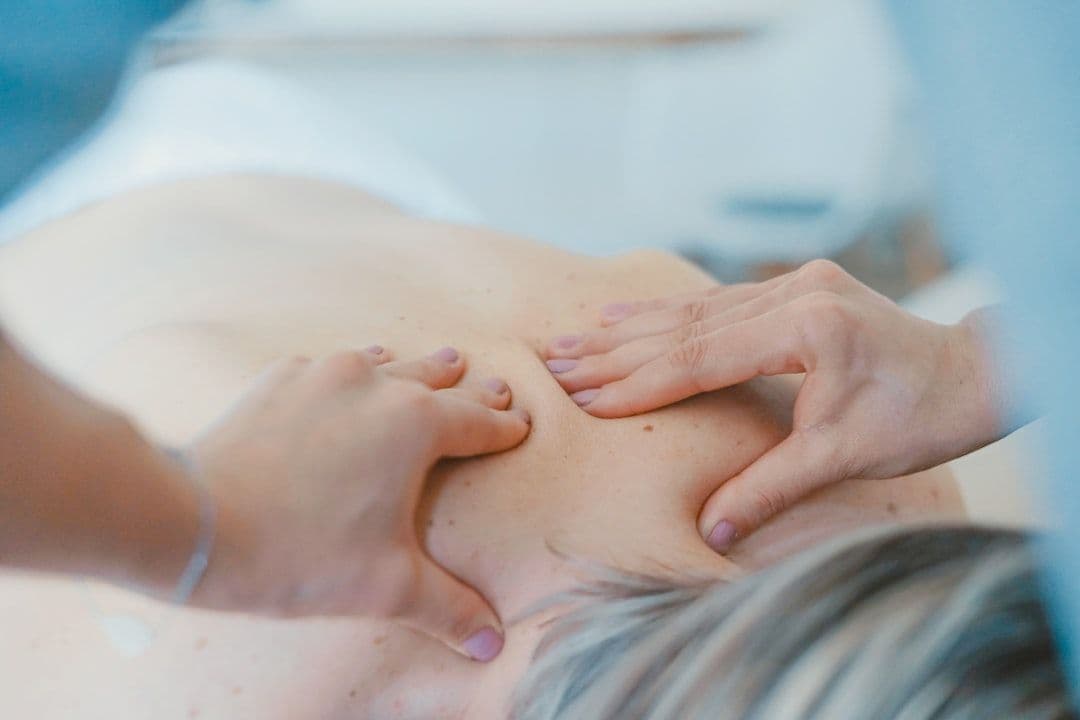
Gentle massage along the neck, ears, or upper chest may be incorporated, as these areas have vagus nerve access points. You might notice a tingling sensation or a wave of relaxation as your body responds.
Light, slow movement or a guided body-scan meditation may follow to deepen the nervous system shift and help you stay present in the relaxed state your body is settling into.
Your practitioner will gradually bring the session to a close, check in on how you're feeling, and share simple daily practices — like humming, cold water on the face, or paced breathing — to extend the benefits at home.
The Evidence
What research currently says about non-invasive vagus nerve stimulation techniques and where the evidence is still developing.
Theoretically grounded, but direct evidence is still limited
Non-invasive vagus nerve stimulation draws on solid neuroscience theory and benefits from indirect research on breathwork, yoga, and cold exposure. However, studies specifically testing these techniques as vagal activators remain small, early-stage, and inconclusive.
Most supporting evidence comes from studies on related practices—slow breathing, yoga, cold exposure—rather than vagus nerve stimulation specifically. These studies are generally small and measure general relaxation rather than confirmed vagal activation. The overall evidence base is emerging, not established.
FDA-approved implantable VNS devices for epilepsy and depression have been studied extensively. Non-invasive wellness techniques share the name but differ significantly in mechanism, intensity, and research depth. It is important not to conflate the clinical evidence for medical devices with the more limited evidence for self-directed practices.
Non-invasive vagus nerve techniques sit within the complementary category—meaning they are most appropriately used alongside, not instead of, professional care for health concerns. Polyvagal Theory provides a useful conceptual framework, though its direct application to self-directed wellness practices is still being examined by researchers.
A core challenge is that heart rate variability—often used as a proxy for vagal tone—is an indirect measure and influenced by many factors. Most studies lack control groups, use small samples, and rely on self-reported outcomes. Claims about specific benefits should be held lightly until larger, well-designed trials are available.
People with cardiac conditions, implanted devices, seizure disorders, severe hypertension, or pregnancy should consult a healthcare provider before beginning. Do not use these practices as a substitute for professional assessment of a health concern. For most healthy adults, gentle breathwork and relaxation techniques carry low risk.
There is no single regulated qualification for vagus nerve stimulation practitioners. Look for professionals with grounding in relevant disciplines—somatic therapy, yoga therapy, breathwork, or clinical psychology—who can contextualise these techniques within a broader understanding of nervous system health. Avoid practitioners making inflated outcome claims.
Safety first
General guidance to help you decide whether this approach is appropriate for you. This is informational only and not a substitute for medical, psychological, or professional advice.
If you are pregnant, managing a health condition, recovering from injury or surgery, or taking medication, consult a qualified healthcare professional first.
Some situations call for extra care or a different approach. Share any conditions, injuries, or sensitivities with your practitioner before your first session.
Look for clear boundaries, transparent pricing, and practitioners who avoid fear-based claims or pressure to book frequent sessions.
Mild, short-lived effects such as tenderness, tiredness, or temporary soreness can occur. Rest, hydrate, and tell your practitioner how you respond.
For you?
A simple, human way to weigh it up. This is general guidance, not personal medical advice — a qualified practitioner can advise on your situation.
Gyfts is a discovery platform, not a medical provider. Nothing here diagnoses, treats or replaces professional care. In an emergency, contact your local emergency number.
Explore approaches
Other practices people often explore alongside vagus nerve stimulation.
In their words
FAQ
Tuning forks work through 'entrainment,' where the body's internal rhythms synchronize with the fork's stable frequency. When applied to the body, the mechanical vibrations also stimulate the release of Nitric Oxide, a molecule that helps relax blood vessels and reduce inflammation.
No. Tuning fork therapy is non-invasive and performed while you are fully clothed. The vibrations travel easily through fabric and into the skin and bone.
Most people describe a gentle humming or buzzing sensation. If a weighted fork is placed on a bone, you will feel a deep, pleasant vibration that often leads to a state of profound relaxation or a 'meditative' headspace.
Side effects are rare but can include 'healing crises' such as mild fatigue or emotional release as the nervous system shifts out of a high-stress state. It is important to drink plenty of water after a session to help the body process the shift.
If you have a pacemaker or any electronic medical implant, you should avoid placing weighted tuning forks directly on or near the device. Always consult your physician and inform your practitioner before the session.
References
Educational sources that inform this overview. Inclusion is for context and does not imply endorsement.
Full citations are maintained by the Gyfts editorial team and reviewed periodically.
Keep exploring
Browse practitioners, explore honest overviews, and take what you learn to a conversation — at your own pace.