Organization directory
Find a place to explore your wellbeing.
Discover clinics, studios, schools and networks.
Keep exploring
Organization directory
Discover clinics, studios, schools and networks.
Keep exploring
For organizations
Bring your practitioners, modalities and trust signals together on a single organization profile — and help seekers discover you.
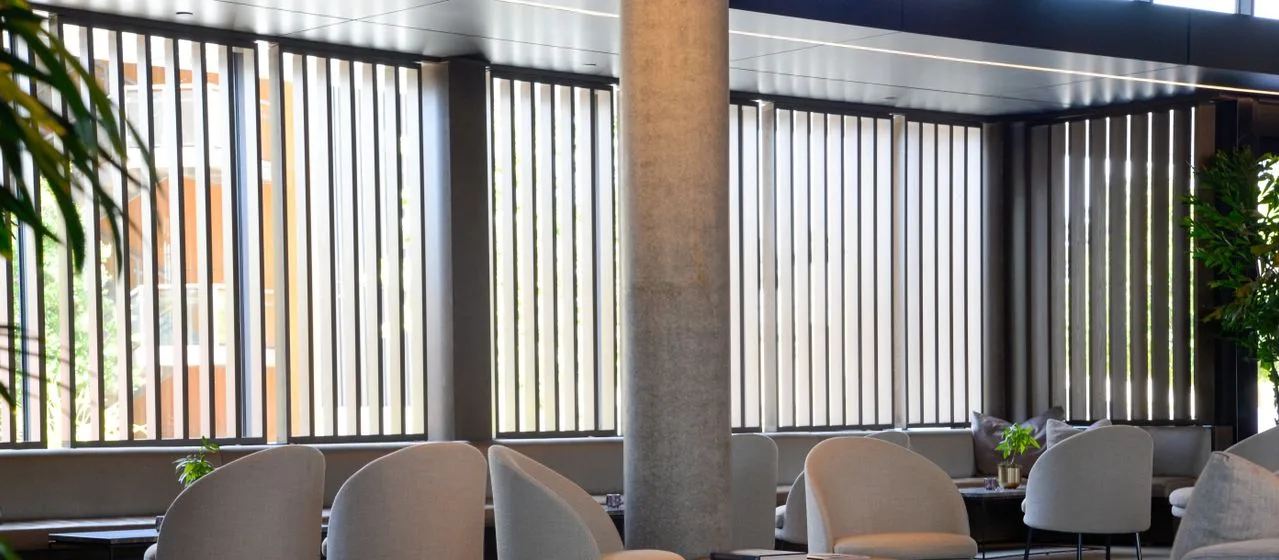
Red Leaf Wellness is a premier, multi-disciplinary integrative medical clinic located in the Glenora District of Edmonton, Alberta. Established as a leading healthcare hub, the facility bridges natural, Eastern, and conventional Western medicine into cohesive, coordinated treatment plans. Rather than treating isolated symptoms, the clinic's practitioners focus on identifying root causes through advanced diagnostics, investigative functional medicine, and collaborative care models. Serving patients both in-person and virtually across Canada, Red Leaf Wellness pairs rigorous clinical expertise with a deeply compassionate, patient-centred approach to long-term healing and wellness. The clinic features a diverse team of experienced professionals—including acupuncturists, naturopathic doctors, nurse practitioners, registered massage therapists, manual osteopaths, and mind-body specialists—working together under one roof. Their clinical scope covers a wide array of specialized therapeutic services, including traditional and specialized acupuncture, functional medicine lab testing, herbal medicine, and prescription-based care for hormone health. Dedicated to comprehensive whole-person wellness, Red Leaf Wellness offers targeted programs for chronic pain management, digestive health, fertility support, emotional well-being, and specialized menopause and perimenopause care.

Anishnawbe Health Toronto (AHT) is a fully accredited community health centre located at 425 Cherry Street in Toronto, Ontario. Its model of care is rooted in Indigenous culture and traditions, making it the only facility in Toronto that serves Indigenous clients through both western and traditional approaches. AHT offers nearly 60 services and programs spanning primary care, mental health, traditional healing, diabetes education, child and family care, and supportive housing. Governed by a volunteer Board of Indigenous community members, AHT's mission is to improve, support, and promote the health, well-being, and healing of Aboriginal people in spirit, mind, emotion, and body. Anishnawbe Health Toronto (AHT) operates as a pioneering healthcare organization dedicated to restoring traditional Indigenous medicine and holistic care within an urban healthcare setting. Serving First Nations, Inuit, and Métis individuals living in the Greater Toronto Area, AHT’s practice is built upon a comprehensive "Circle of Care" model. This approach integrates traditional healing modalities alongside Western medical services, recognizing that optimal health requires balanced support across the physical, emotional, mental, and spiritual dimensions of the individual. At the core of AHT’s services is a team of Traditional Healers and Osh-ka-be-wis (Traditional Helpers) from diverse First Nation communities who work alongside physicians, nurses, and mental health professionals. These healers provide personalized traditional doctoring, spiritual counseling, and sacred teachings, as well as conducting essential ceremonies such as Sweat Lodge gatherings, seasonal Fasting, Shake Tent ceremonies, and Ancestor Feasts. Healers also deliver crucial end-of-life and palliative care, while visiting community spaces and schools to offer cultural grounding and guide youth in receiving their spirit names. Through its multidisciplinary network, Anishnawbe Health Toronto seamlessly incorporates traditional practices across its entire range of programs, including primary medicine, mental health and addiction support, child and family therapy, and diabetes prevention. By prioritizing cultural safety, self-determination, and the preservation of ancestral knowledge, AHT provides a vital, culturally rooted health home that fosters multi-generational healing and community resilience.

The Integrative Health Centre is a collaborative care clinic based in Kirkland, Montreal (West Island), with a second location in Lancaster, Ontario. The team includes naturopaths, acupuncturists, reflexologists, reiki practitioners, and holistic nourishment consultants. The centre uses evidence-based natural methods and seeks to identify the root cause of health concerns, supporting patients alongside conventional medical care. Naturopaths at the clinic are licensed and board certified in a regulated jurisdiction.
Hamilton Health & Wellness Centre is a multidisciplinary complementary healthcare clinic located on Hamilton Mountain in Hamilton, Ontario. The centre offers a wide range of science-based natural health services in a relaxed, welcoming setting, serving patients of all ages with diverse health concerns. Operating within an anti-oppressive framework, the clinic provides a safe space that welcomes all bodies. A skilled team of practitioners collaborates with each patient to create personalized treatment plans aimed at improving overall health and well-being.
The Ottawa Integrative Health Centre is a multi-disciplinary integrative health clinic located at 904 Lady Ellen Place in Ottawa, Ontario. The centre offers services including naturopathic medicine, acupuncture and Traditional Chinese Medicine, psychotherapy, osteopathy, registered massage therapy, IV therapy, homeopathy, and registered dietitian services, among others. The OIHC is a premier multidisciplinary facility dedicated to patient-centered, collaborative holistic care across Ontario. Bringing together an experienced team of independent practitioners—including naturopathic doctors, registered acupuncturists, physiotherapists, and psychotherapists—the centre delivers integrative health solutions tailored to complex, chronic, and preventative wellness needs. Emphasizing evidence-informed natural medicine and collaborative care plans, OIHC bridges traditional therapies with conventional medicine to support optimal long-term health. The centre operates from 904 Lady Ellen Place, Ottawa, Ontario K1Z 5L5, and can be contacted directly by phone at 613-798-1000 or via email at info@oihc.ca.
Wabano Centre for Aboriginal Health is an Indigenous health and cultural centre in Ottawa, Ontario, created by and for First Nations, Inuit, and Métis people. Rooted in Indigenous culture, it offers a wholistic model of care that blends contemporary and traditional approaches across physical, mental, emotional, and spiritual wellbeing. The centre provides healthcare, mental wellness, healthy living, cultural programs, education, and advocacy services. Wabano is accredited through the Canadian Centre for Accreditation and is part of the network of Aboriginal Health Access Centres across Ontario. The National Council of Indigenous Midwives champions the reclamation and restoration of Indigenous midwifery as a sacred, community-rooted practice for First Nations, Inuit, and Métis families across Canada. Operating within a holistic cultural paradigm, Indigenous midwifery views pregnancy and childbirth not merely as clinical occurrences, but as profound spiritual transitions and ceremonial events that strengthen family bonds and cultural continuity. Through initiatives like "Birth Back," the council works to return birthing practices to local territories, reversing historical disruptions and reducing the need for remote medical evacuations. Care is structured around complete maternal and infant wellness, offering comprehensive prenatal, birthing, and postpartum support, including culturally centered lactation education such as Milk Medicine. By combining ancestral traditions, sacred songs, and traditional medicines with modern clinical expertise, Indigenous midwives ensure both clinical safety and deep cultural protection, empowering communities to honor new life through self-determination and intergenerational healing arts. The center operates as a broad community hub, encompassing a primary care clinic, mental health and addiction support, maternal and early childhood programs, diabetes prevention, and specialized elder care. Beyond clinical medicine, Wabano promotes holistic well-being through community-led health education, Indigenous language instruction, movement classes, and cultural workshops that rebuild community resilience. By providing a safe, welcoming space rooted in ancestral wisdom, self-determination, and health equity, the Wabano Centre addresses the physical, emotional, mental, and spiritual needs of the whole person within a supportive circle of care.
The First Peoples Wellness Circle (FPWC) is an Indigenous-led national not-for-profit organization dedicated to enhancing holistic health, mental wellness, and healing for First Nations, Inuit, and Métis communities across Canada. Guided by a profound commitment to self-determination and cultural sovereignty, FPWC walks alongside communities to foster collective intelligence, peace-making, and pathways to living a good life. Operating through a "Two-Eyed Seeing" approach that weaves together traditional Indigenous knowledge systems and contemporary evidence-based practices, the organization champions diverse cultural values, beliefs, and practices as the bedrock of entire community wellness. FPWC serves as a national hub for mental wellness innovation, workforce capacity building, and collaborative transformation. The organization provides specialized training, resources, and strategic support for Mental Wellness and Crisis Response Teams, anchored in the First Nation Mental Wellness Continuum Framework. Through initiatives like the pihtikwê podcast, targeted toolkits for complex care challenges—such as dementia and medical assistance in dying—and national knowledge exchange platforms, FPWC equips the Indigenous health workforce with culturally grounded tools. By prioritizing community-led wisdom, emotional safety, and holistic healing, the First Peoples Wellness Circle acts as an essential catalyst for systemic health equity and multi-generational well-being.
Organization type
Approach
Session format
City or region
Country