What it is
Acne is a multifactorial skin condition driven by sebum production, follicular occlusion, bacterial colonisation, and inflammation.
A common skin condition characterised by pimples, blackheads, whiteheads, or deeper cysts, primarily on the face, back, or chest. Occurs when hair follicles become clogged with oil and dead skin cells.
At a glance
What it is
Acne is a multifactorial skin condition driven by sebum production, follicular occlusion, bacterial colonisation, and inflammation.
Commonly experienced as
Evidence context
Emerging evidenceSee the evidence snapshotSafety
See staying safeContext
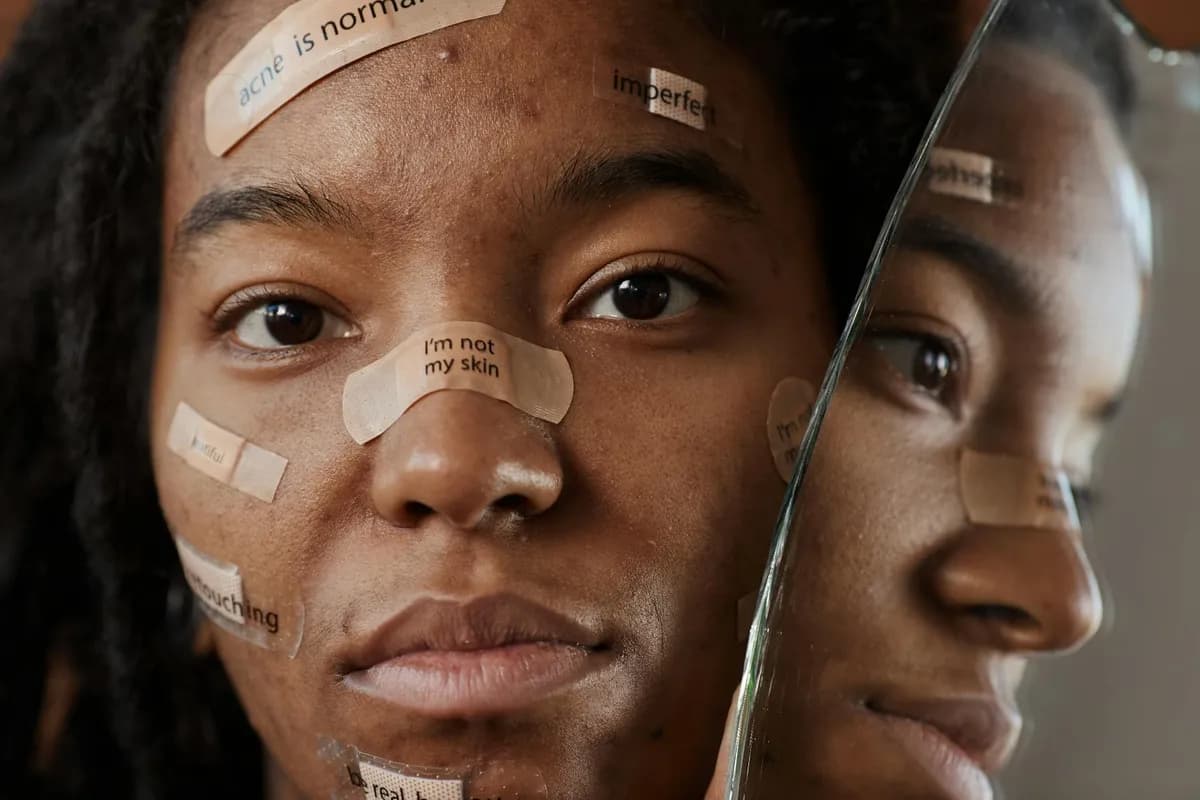
Acne vulgaris develops when hair follicles become blocked with sebum and dead skin cells, creating an environment in which bacteria proliferate and trigger inflammation. It ranges from blackheads and whiteheads to deeper inflammatory papules, pustules, and cysts. Hormonal influences — particularly androgens stimulating sebum production — explain the prevalence in adolescence and hormonal fluctuations in adult women. Acne carries significant psychological burden: research consistently documents associations with reduced self-esteem, anxiety, and social withdrawal, making holistic support as important as physical treatment. Diet, gut health, stress, and skincare habits all influence acne expression.
Could this be you
Acne shows up differently for everyone. Browse by how it tends to be felt — these are common experiences, not a checklist or a diagnosis.
Common experiences people describe — not a diagnostic checklist.
The Evidence
What research says about acne, its contributing factors, and the range of approaches used to support skin health.
Well-studied condition with a range of supported approaches
Acne is one of the most researched skin conditions globally, with strong evidence for certain topical treatments and moderate evidence for dietary and nutritional factors. Holistic contributors — including stress, gut health, and hormones — are increasingly recognised in the literature.
Sudden severe acne in adults with no prior history may indicate an underlying systemic condition. In women, acne alongside signs of virilisation requires professional evaluation. Widespread inflammatory acne with fever should be assessed urgently to rule out serious conditions such as acne fulminans. Do not delay seeking care in these situations.
Topical retinoids and benzoyl peroxide have strong clinical support. Zinc supplementation shows moderate evidence for mild-to-moderate acne. A low glycaemic index diet shows promising evidence for reducing severity, and high glycaemic foods and dairy intake have moderate evidence as contributing factors. Evidence quality varies across approaches.
Picking or squeezing cystic lesions increases the risk of infection and permanent scarring. High-dose vitamin A supplementation is contraindicated during pregnancy due to serious developmental risks. Always discuss supplements and topical regimens with a qualified practitioner before starting, particularly if pregnant or managing other health conditions.
Androgens drive excess sebum production, explaining acne's prevalence during puberty and hormonal shifts in adult women. Conditions such as PCOS and insulin resistance are associated with persistent adult acne. Stress-elevated cortisol and certain medications — including steroids — can also trigger or worsen breakouts. Addressing contributing factors alongside skin-focused care is often more effective.
Ayurveda classifies acne as a Pitta-Kapha imbalance linked to impure blood, while TCM may attribute it to Lung and Stomach heat or Damp-Heat accumulation. Herbal approaches such as turmeric, neem, and tea tree oil are used within these traditions. Clinical evidence for these specific remedies is variable; they are best explored with a practitioner trained in the relevant system.
Research consistently links acne with reduced self-esteem, anxiety, and social withdrawal. Addressing emotional wellbeing alongside physical skin health is considered important in holistic care. Stress management, sleep, and psychological support may complement other approaches. If acne is significantly affecting mood or daily life, speaking with a mental health professional is worthwhile.
Safety first
General, informational guidance — not diagnostic. A qualified practitioner can advise on your own situation.
Top Practitioners
Practitioners are ranked using relevance, experience signals, reviews, and support-area fit.
References
Educational sources that inform this overview. Inclusion is for context and does not imply endorsement.
Full citations are maintained by the Gyfts editorial team and reviewed periodically.
Keep exploring
Browse practitioners, explore honest overviews, and take what you learn to a conversation — at your own pace.