What it is
Open comedones — small, dark spots on the skin formed by oxidised sebum and dead skin cells in blocked pores — most common on the face, nose, and chin.
Open comedones — small, dark spots on the skin formed by oxidised sebum and dead skin cells in blocked pores — most common on the face, nose, and chin.
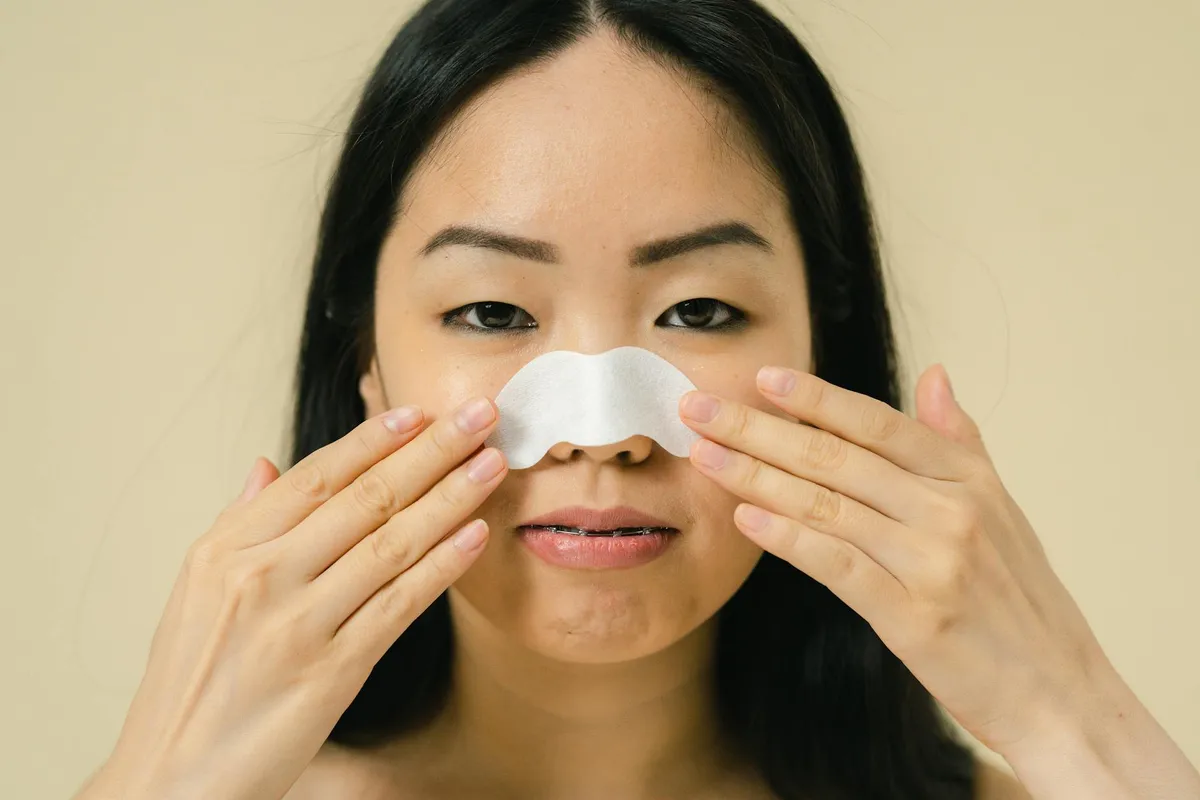
At a glance
What it is
Open comedones — small, dark spots on the skin formed by oxidised sebum and dead skin cells in blocked pores — most common on the face, nose, and chin.
Commonly experienced as
Evidence context
Emerging evidenceSee the evidence snapshotContext
Blackheads (open comedones) form when a hair follicle becomes blocked with sebum and dead skin cells. The dark colour is not dirt but oxidised melanin in the exposed plug — distinguishing blackheads from whiteheads, which have a closed surface. They are a feature of acne vulgaris but can occur independently. Excess sebum production driven by androgens, hormonal fluctuations, and certain skincare products is the primary cause. Blackheads are most common on the nose and central face, where sebaceous gland density is highest. Diet, stress, and sleep all influence sebum production and pore health.
Could this be you
Blackheads shows up differently for everyone. Browse by how it tends to be felt — these are common experiences, not a checklist or a diagnosis.
Common experiences people describe — not a diagnostic checklist.
The Evidence
What research and clinical practice suggest about blackhead formation, contributing factors, and supportive approaches.
Well-understood mechanism, growing support for lifestyle factors
Blackhead formation is well explained by skin physiology. Evidence for dietary and topical interventions is moderate and growing, with professional skin treatments showing consistent practical results.
Seek prompt care if you notice a rapidly spreading rash with fever, a skin lesion changing shape or colour quickly, a wound that is not healing, or signs of infection such as increasing redness, warmth, swelling, or pus. These are not typical blackhead presentations and need professional assessment without delay.
Sebum overproduction driven by androgens and hormonal shifts is well documented as the primary driver of comedone formation. Research into dietary factors — particularly high-glycaemic foods and dairy — shows moderate evidence of influence on sebum and pore health. Topical exfoliants such as salicylic acid have consistent clinical support for reducing comedones.
Trained skin therapists and dermatologists use professional extraction, chemical peels, and exfoliation protocols to manage blackheads effectively. These approaches are generally well tolerated and have a reasonable evidence base. Self-extraction at home carries a risk of skin damage and secondary infection and is generally not recommended.
Nutritional therapy can explore the role of glycaemic load and dairy intake in sebum production. Some herbal preparations with antimicrobial or anti-inflammatory properties are used to support skin health, though evidence remains limited and quality varies. A qualified practitioner can help assess whether these approaches are appropriate for your individual situation.
Chronic stress and poor sleep are associated with hormonal shifts that can increase sebum output. Comedogenic skincare products and heavy cosmetics may worsen pore blockage. Consistent, gentle cleansing and non-comedogenic product choices are widely recommended as foundational steps in managing blackheads.
If blackheads are persistent, widespread, or accompanied by inflamed acne, a dermatologist or qualified skin therapist can provide a structured assessment and personalised plan. Complementary practitioners such as nutritional therapists may offer useful adjunct support. Gyfts can help you explore relevant practitioners across these areas.
Top Practitioners
Practitioners are ranked using relevance, experience signals, reviews, and support-area fit.
References
Educational sources that inform this overview. Inclusion is for context and does not imply endorsement.
Full citations are maintained by the Gyfts editorial team and reviewed periodically.
Keep exploring
Browse practitioners, explore honest overviews, and take what you learn to a conversation — at your own pace.