What it is
Involuntary reddening of the face and neck in response to social situations, embarrassment, or emotional activation — which when distressing may contribute to social anxiety.
Involuntary reddening of the face and neck in response to social situations, embarrassment, or emotional activation — which when distressing may contribute to social anxiety.
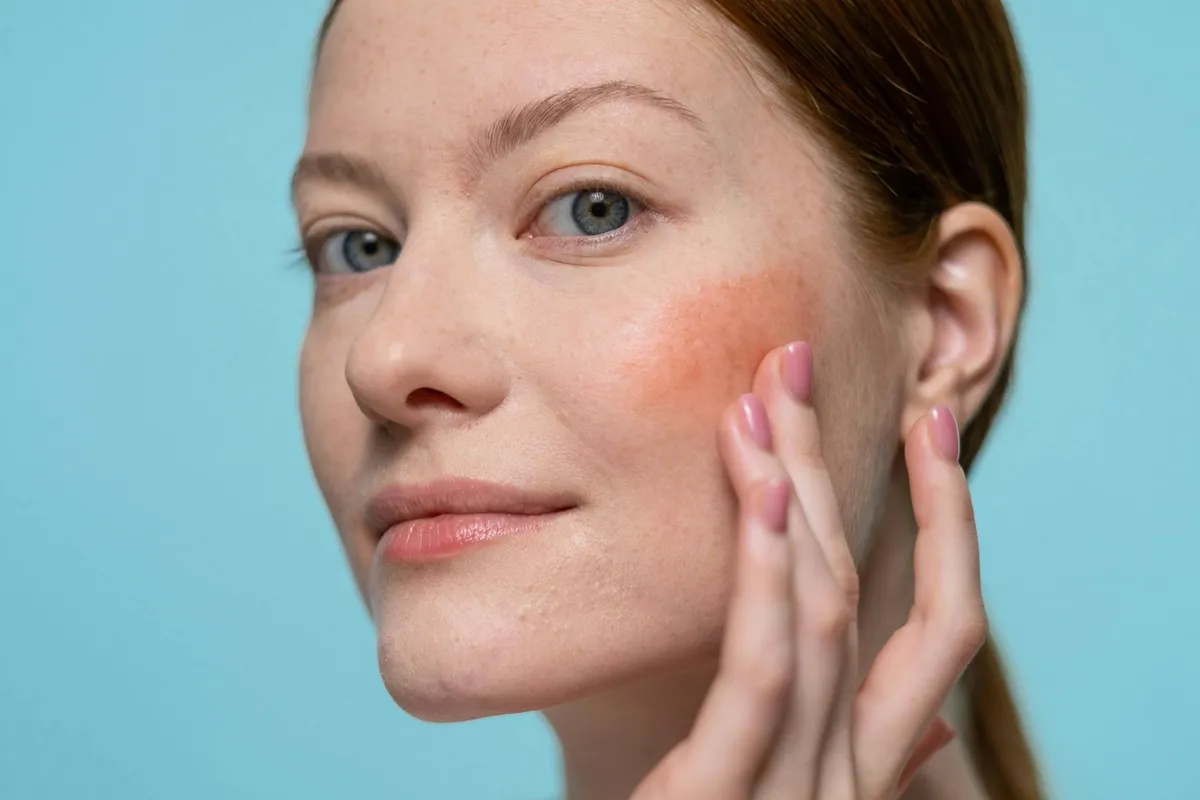
At a glance
What it is
Involuntary reddening of the face and neck in response to social situations, embarrassment, or emotional activation — which when distressing may contribute to social anxiety.
Commonly experienced as
Evidence context
Emerging evidenceSee the evidence snapshotContext
Blushing is an involuntary physiological response mediated by the autonomic nervous system — blood vessels in the face dilate in response to emotional arousal, embarrassment, or social scrutiny. In most people it is occasional and mildly embarrassing. In others it becomes a significant source of distress, particularly when awareness of blushing causes further blushing in a self-reinforcing cycle. Erythrophobia (fear of blushing) can significantly contribute to social anxiety. Blushing can also be triggered by temperature, alcohol, certain medications, spicy foods, and — in menopausal women — hormonal changes that produce flushing alongside blushing.
Could this be you
Blushing shows up differently for everyone. Browse by how it tends to be felt — these are common experiences, not a checklist or a diagnosis.
Common experiences people describe — not a diagnostic checklist.
The Evidence
What research and clinical practice suggest about blushing, its causes, and approaches that may help reduce distress.
Blushing is well understood physiologically, with good support for psychological approaches
Blushing is a normal autonomic response that becomes distressing when fear of blushing itself drives a self-reinforcing cycle. Psychological approaches, particularly CBT, have the strongest evidence for reducing that distress.
If blushing-related anxiety is accompanied by persistent low mood lasting more than two weeks, severe mood swings affecting daily life, or any thoughts of self-harm, please speak with a qualified health professional promptly. These experiences go beyond what self-directed or complementary approaches are designed to support.
CBT for social anxiety — including erythrophobia, the fear of blushing — has good clinical evidence behind it. Mindfulness-based approaches show promise for building tolerance of the sensation. Evidence for complementary approaches such as acupuncture is more limited and should be understood as supportive rather than primary.
Blood vessels in the face dilate in response to emotional arousal or social scrutiny — this is normal physiology. The distress cycle begins when awareness of blushing triggers further blushing. Blushing can also be triggered by temperature, alcohol, spicy foods, certain medications, and hormonal changes in perimenopausal women, where flushing and blushing often overlap.
Acupuncture has been explored for autonomic nervous system regulation, with some evidence of benefit in anxiety-related presentations, though research specific to blushing is limited. For perimenopausal flushing and blushing, certain nutritional and herbal approaches have supporting evidence. These are best used alongside, not instead of, professional assessment.
Addressing blushing-related distress tends to work best when physical triggers, emotional patterns, and social confidence are considered together. Mindfulness, breathwork, and lifestyle factors such as alcohol and diet can all play a supporting role. A holistic approach recognises that reducing the fear of blushing is often more effective than trying to stop blushing itself.
If blushing-related anxiety is affecting work, relationships, or quality of life, a psychologist or therapist experienced in social anxiety is a strong starting point. For perimenopausal flushing, a GP or specialist can help identify hormonal contributors. Complementary practitioners should be informed of any existing conditions or medications.
References
Educational sources that inform this overview. Inclusion is for context and does not imply endorsement.
Full citations are maintained by the Gyfts editorial team and reviewed periodically.
Keep exploring
Browse practitioners, explore honest overviews, and take what you learn to a conversation — at your own pace.