What it is
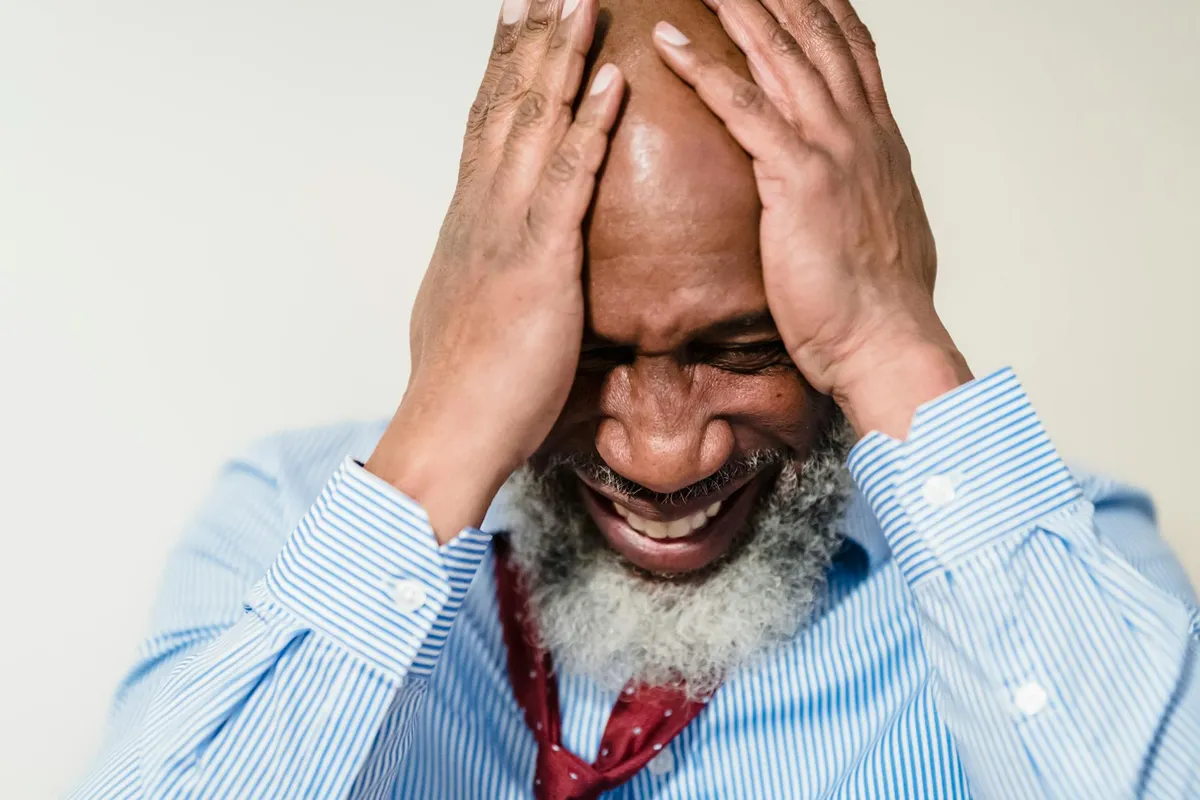
A state of significant psychological or physical suffering that signals an urgent need for support, safety, or care.
A state of significant psychological or physical suffering that signals an urgent need for support, safety, or care.
At a glance
What it is
A state of significant psychological or physical suffering that signals an urgent need for support, safety, or care.
Commonly experienced as
Evidence context
Experiential supportSee the evidence snapshotContext
Distress is the broader term for significant psychological or physical suffering — an activated state of pain, fear, urgency, or overwhelm that signals that something important needs to change or that support is urgently needed. It is both a symptom (the experience of suffering) and a signal (that care is required). Psychological distress encompasses acute grief, trauma response, panic, suicidal crisis, and the acute exacerbation of any mental health condition. Physical distress accompanies medical emergencies, severe pain, and acute deterioration. Distress is not itself a diagnosis but a clinical state that always warrants attention. The appropriate response depends on cause and severity — from compassionate witnessing to emergency intervention. Holistic practitioners are trained to assess distress, recognise escalating severity, and connect people with appropriate support.
Could this be you
Distress shows up differently for everyone. Browse by how it tends to be felt — these are common experiences, not a checklist or a diagnosis.
Common experiences people describe — not a diagnostic checklist.
Explore next
The Evidence
What research and clinical practice tell us about distress, when to seek help, and what kinds of support have evidence behind them.
Distress is a signal — the evidence is clearest on when to act
Distress is a state of significant suffering that always warrants attention. Evidence strongly supports crisis intervention for acute distress and social support for resilience, while complementary approaches may help with ongoing emotional regulation.
Seek urgent help if you or someone else is experiencing thoughts of self-harm or suicide, is unable to carry out basic daily activities, or is showing signs of psychosis alongside emotional distress. Distress lasting more than two weeks without improvement also warrants professional assessment. These are not situations to manage alone or with complementary support only.
Acute or severe distress should be assessed by a qualified mental health or medical professional. Crisis lines, emergency services, and trained clinicians are the appropriate first point of contact in serious situations. Holistic and complementary practitioners can play a supportive role alongside professional care, but are not a substitute for professional assessment when distress is significant.
Crisis intervention has strong evidence for resolving acute distress. Cognitive behavioural therapy and related approaches have solid evidence for addressing conditions that drive chronic distress. Social support has the strongest population-level evidence for distress resilience. Complementary approaches such as mindfulness and relaxation practices have emerging evidence for emotional regulation, though evidence is more limited and mixed.
Mild to moderate distress may respond well to peer support, lifestyle changes, mindfulness, and complementary therapies. Moderate to severe distress typically benefits from structured psychological therapies. Acute or crisis-level distress requires immediate professional intervention. Many people find that combining professional care with holistic support improves their overall experience and recovery.
Holistic approaches consider distress within the context of a person's physical health, relationships, environment, and sense of meaning. Practitioners may use body-based, emotional, and lifestyle-focused tools to support regulation and resilience. These approaches are best understood as complementary to — not replacements for — professional mental health care when distress is significant.
Evidence for many complementary and holistic approaches to distress is still developing, and study quality varies. Distress is not a single condition — its causes, severity, and appropriate responses differ widely between individuals. Be cautious of inflated outcome claims from any practitioner or product. Gyfts does not assess, manage, or provide clinical care for distress.
References
Educational sources that inform this overview. Inclusion is for context and does not imply endorsement.
Full citations are maintained by the Gyfts editorial team and reviewed periodically.
Keep exploring
Browse practitioners, explore honest overviews, and take what you learn to a conversation — at your own pace.