What it is
Pain at or around the elbow joint — most commonly from tennis elbow, golfer's elbow, or olecranon bursitis — related to repetitive activity, overuse, or direct trauma.
Pain at or around the elbow joint — most commonly from tennis elbow, golfer's elbow, or olecranon bursitis — related to repetitive activity, overuse, or direct trauma.
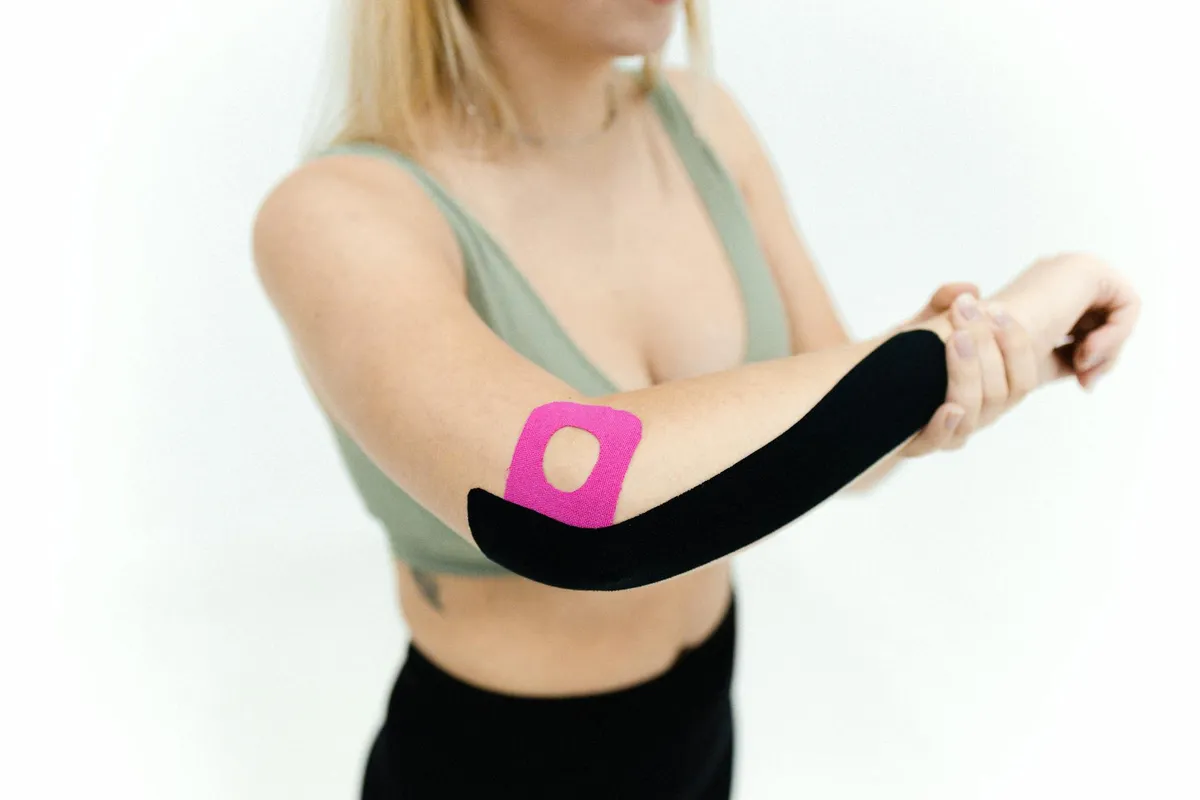
At a glance
What it is
Pain at or around the elbow joint — most commonly from tennis elbow, golfer's elbow, or olecranon bursitis — related to repetitive activity, overuse, or direct trauma.
Commonly experienced as
Evidence context
Emerging evidenceSee the evidence snapshotContext
Elbow pain is frequently related to overuse of the forearm muscles and tendons attaching around the elbow. Lateral epicondylalgia (tennis elbow) involves the tendons of the wrist extensors attaching at the outer elbow — pain with gripping, lifting, or extending the wrist. Medial epicondylalgia (golfer's elbow) affects the flexor tendons at the inner elbow. Olecranon bursitis produces swelling directly over the bony tip of the elbow. Cubital tunnel syndrome involves compression of the ulnar nerve producing inner elbow pain with tingling into the ring and little fingers. Despite sporting names, most cases arise in non-athletes from occupational repetitive tasks, keyboard use, or manual work.
Could this be you
Elbow Pain shows up differently for everyone. Browse by how it tends to be felt — these are common experiences, not a checklist or a diagnosis.
Common experiences people describe — not a diagnostic checklist.
The Evidence
What research says about managing elbow pain, and when to seek professional assessment.
Elbow pain is well-studied, especially tendon-related causes
Most elbow pain stems from overuse of tendons and muscles around the joint. Evidence supports several approaches for relief and recovery, though professional assessment is important to identify the specific cause.
Seek prompt professional attention if you experience sudden severe pain with no clear cause, pain accompanied by fever or chills, pain that worsens progressively over several days, or pain with numbness, tingling, or loss of hand function. These patterns may indicate conditions beyond overuse that need timely evaluation.
Eccentric loading and progressive tendon rehabilitation programmes have the best-supported evidence for lateral and medial epicondylalgia. Shockwave therapy shows evidence for chronic tendinopathy. Acupuncture has moderate evidence for pain management in lateral epicondylalgia. Nutritional support — including vitamin C and collagen peptides — is emerging but evidence remains limited.
Despite names like tennis elbow and golfer's elbow, most cases occur in non-athletes through occupational or daily repetitive activity. Lateral epicondylalgia affects wrist extensor tendons at the outer elbow; medial epicondylalgia affects flexor tendons at the inner elbow. Cubital tunnel syndrome involves ulnar nerve compression and may produce tingling into the ring and little fingers.
Physiotherapy-led rehabilitation is a well-supported starting point. Acupuncture, shockwave therapy, and manual therapy are used alongside conventional care for pain management and function. Lifestyle factors — including load management, ergonomic adjustments, and adequate rest — are consistently highlighted in clinical guidance as important for recovery.
Because several distinct conditions can produce elbow pain — each with different management approaches — professional assessment is recommended before starting a programme. A physiotherapist, sports medicine practitioner, or general practitioner can help clarify the cause and advise on the most appropriate path, including whether imaging or specialist referral is needed.
Evidence for nutritional supplements such as collagen peptides and vitamin C in tendon recovery is promising but not yet conclusive. Corticosteroid injections may offer short-term relief but show less favourable outcomes at longer follow-up in some studies. No single approach has been shown to work for everyone, and individual response varies.
References
Educational sources that inform this overview. Inclusion is for context and does not imply endorsement.
Full citations are maintained by the Gyfts editorial team and reviewed periodically.
Keep exploring
Browse practitioners, explore honest overviews, and take what you learn to a conversation — at your own pace.