What it is
Persistent tiredness combined with sleep that doesn't restore energy levels, leaving you feeling exhausted despite adequate sleep time.
Persistent tiredness combined with sleep that doesn't restore energy levels, leaving you feeling exhausted despite adequate sleep time.
At a glance
What it is
Persistent tiredness combined with sleep that doesn't restore energy levels, leaving you feeling exhausted despite adequate sleep time.
Commonly experienced as
Evidence context
Emerging evidenceSee the evidence snapshotContext
Understanding Fatigue and Unrefreshing Sleep
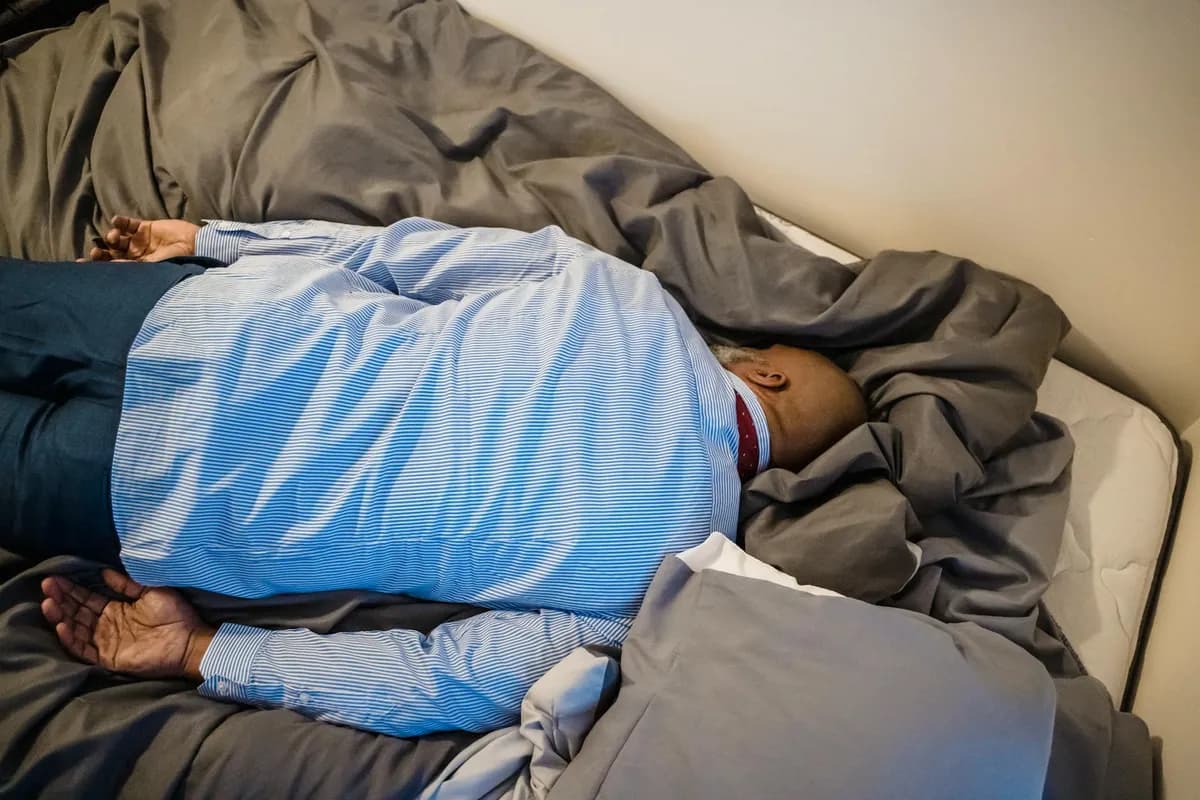
Fatigue with unrefreshing sleep describes the frustrating experience of feeling persistently tired, even after what should be adequate rest. Unlike normal tiredness that improves with sleep, this combination leaves you waking up feeling as exhausted as when you went to bed.
How It Feels
People often describe feeling like they're running on empty throughout the day, with a heavy, weighted sensation that rest doesn't relieve. Sleep may feel shallow or interrupted, even when you're not consciously aware of waking up. The exhaustion tends to be both physical and mental, affecting concentration, mood, and motivation.
Potential Causes
This symptom pattern can stem from various sources including sleep disorders like sleep apnea, hormonal imbalances, chronic stress, nutritional deficiencies, or underlying health conditions. Sometimes it's part of broader syndromes like chronic fatigue syndrome or fibromyalgia. The complex interplay between sleep quality, stress hormones, and energy production means multiple factors often contribute simultaneously.
Could this be you
Fatigue and unrefreshing sleep shows up differently for everyone. Browse by how it tends to be felt — these are common experiences, not a checklist or a diagnosis.
Common experiences people describe — not a diagnostic checklist.
The Evidence
What research and clinical practice tell us about fatigue and unrefreshing sleep, and where the evidence is stronger or more limited.
Several approaches show meaningful benefit for fatigue and poor sleep
Evidence supports a range of complementary and lifestyle-based approaches for improving sleep quality and reducing fatigue. However, persistent symptoms should always be professionally assessed, as underlying causes vary widely and some require specific care.
Seek timely professional assessment if fatigue is accompanied by unexplained weight loss, persistent fever, or night sweats. Sudden-onset fatigue with neurological symptoms, or fatigue so severe that daily activities cannot be performed, also warrants prompt evaluation. These patterns may indicate conditions requiring specific medical investigation.
Cognitive behavioural therapy for insomnia (CBT-I) and mindfulness-based stress reduction have reasonably consistent evidence for improving both sleep quality and fatigue levels. Nutritional interventions addressing deficiencies in magnesium, B vitamins, or iron also have good support, particularly where a deficiency has been identified. Acupuncture shows promising results, especially for insomnia and chronic fatigue, though study quality varies.
Tai chi and yoga demonstrate reliable benefits for both sleep quality and daytime energy in multiple studies. Herbal medicines such as valerian and passionflower have modest evidence for sleep improvement, though product quality varies considerably between brands. These approaches are generally considered alongside, not instead of, professional assessment.
Sleep apnea, hormonal imbalances, nutritional deficiencies, and conditions such as chronic fatigue syndrome or fibromyalgia can all present with this symptom pattern. Identifying the underlying cause shapes which approaches are most appropriate. Complementary strategies may be helpful additions, but are not a substitute for professional assessment when symptoms are persistent or severe.
Many studies on complementary approaches for fatigue and sleep use small samples, short follow-up periods, or inconsistent outcome measures, making direct comparisons difficult. Evidence for herbal medicines is particularly variable due to differences in product formulation. Results from specific populations may not apply broadly, so individual responses can differ.
For most seekers, the best outcomes come from identifying any underlying cause through professional assessment, then layering in evidence-supported strategies such as sleep hygiene, movement, stress management, and nutritional support where relevant. Practitioners experienced in fatigue-related conditions can help tailor a care approach that fits individual circumstances and health history.
References
Educational sources that inform this overview. Inclusion is for context and does not imply endorsement.
Full citations are maintained by the Gyfts editorial team and reviewed periodically.
Keep exploring
Browse practitioners, explore honest overviews, and take what you learn to a conversation — at your own pace.