What it is
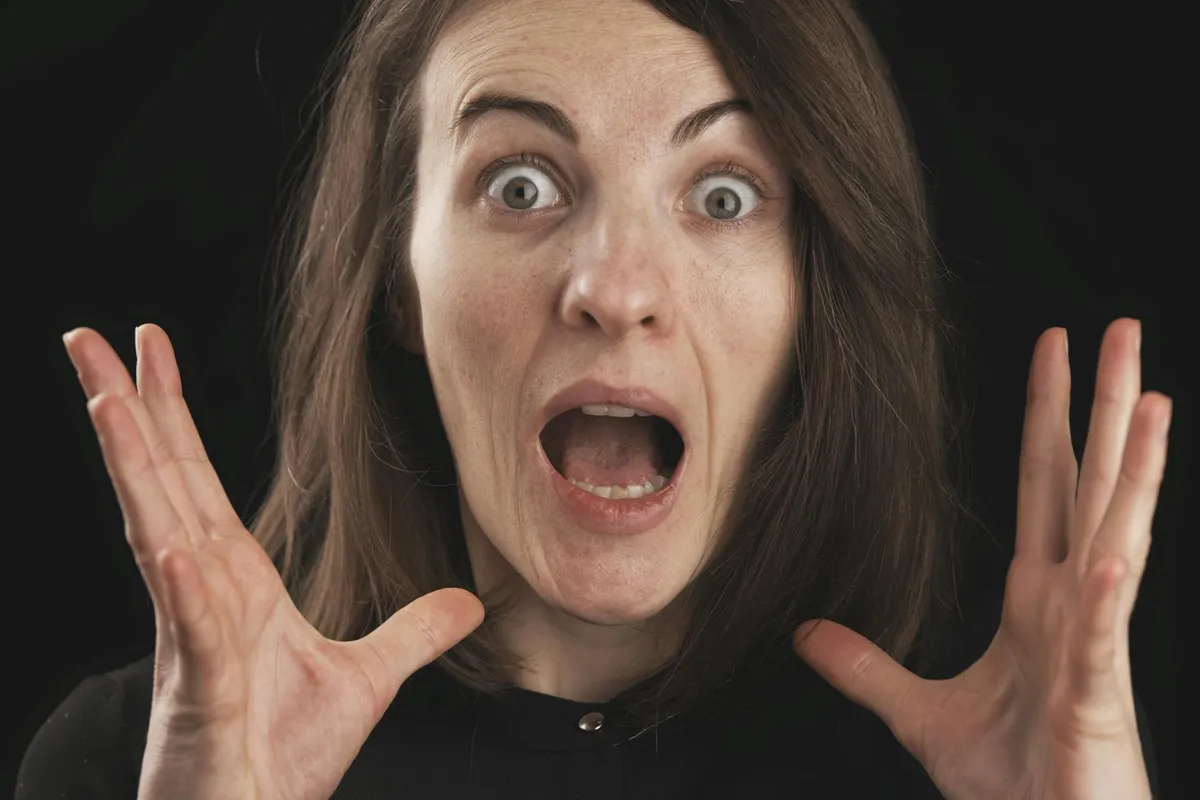
Sudden, involuntary sharp inhalation of air in response to choking, respiratory distress, or acute shock — often occurring during sleep with apnoea.
Sudden, involuntary sharp inhalation of air in response to choking, respiratory distress, or acute shock — often occurring during sleep with apnoea.
At a glance
What it is
Sudden, involuntary sharp inhalation of air in response to choking, respiratory distress, or acute shock — often occurring during sleep with apnoea.
Commonly experienced as
Evidence context
Research-supportedSee the evidence snapshotContext
Gasping describes a sudden, involuntary, forceful inhalation of air — the body's emergency respiratory reflex in response to acute oxygen deprivation, choking, shock, or the restorative breath that terminates a pause in breathing during sleep apnoea. During obstructive sleep apnoea, gasping (or choking, snorting) is the characteristic sound made by a sleeping person when breathing resumes after an apnoeic pause — as the airway reopens and air rushes in. This gasping is one of the most diagnostically significant observations a partner can report. Outside sleep apnoea, gasping occurs with choking (acute upper airway obstruction requiring emergency response), anaphylaxis, severe asthma, and cardiac arrest. Witnessed gasping during sleep should prompt urgent sleep apnoea assessment.
Could this be you
Gasping shows up differently for everyone. Browse by how it tends to be felt — these are common experiences, not a checklist or a diagnosis.
Common experiences people describe — not a diagnostic checklist.
The Evidence
What research and clinical practice say about gasping — and when it demands urgent attention.
Gasping during sleep is a key clinical signal
Gasping or choking sounds during sleep are among the most diagnostically significant signs of obstructive sleep apnoea. Evidence for assessment and management pathways is strong, and some causes of gasping outside sleep require immediate emergency response.
Gasping caused by choking, anaphylaxis, severe asthma, or cardiac arrest is a medical emergency. If a person is gasping and cannot speak, breathe normally, or is unresponsive, call emergency services immediately. Gasping during sleep that is new, frequent, or witnessed by a partner also warrants prompt professional assessment — do not self-manage without evaluation.
During obstructive sleep apnoea, breathing pauses repeatedly during sleep. When the airway reopens, air rushes in — producing a characteristic gasp, snort, or choking sound. A bed partner's account of this pattern is clinically valuable and often prompts formal sleep study referral. Untreated sleep apnoea is associated with cardiovascular, metabolic, and cognitive health impacts.
Continuous positive airway pressure (CPAP) is the most evidence-supported intervention for obstructive sleep apnoea. Mandibular advancement devices have moderate evidence and suit milder cases. Weight loss has strong evidence for reducing apnoea severity in people with excess weight. No single approach fits all — professional sleep assessment guides the right pathway.
A general practitioner is the appropriate first contact for sleep-related gasping. They may refer to a sleep specialist or respiratory physician for formal assessment, which typically involves a sleep study. Early professional assessment matters — sleep apnoea is underdiagnosed, and the pattern of gasping reported by a partner is an important piece of clinical information.
Sleep position, alcohol reduction, and weight management are lifestyle factors with evidence for reducing apnoea severity. Some people explore complementary approaches such as myofunctional therapy or positional devices. These are best used alongside — not instead of — professional assessment and any recommended primary interventions. Discuss all approaches with your health provider.
Gasping has multiple possible causes ranging from benign to life-threatening. No platform, app, or self-assessment tool can determine the cause of gasping in an individual. This content is educational only. If you or someone you know experiences gasping — during sleep or while awake — professional evaluation is essential before drawing conclusions or starting any intervention.
References
Educational sources that inform this overview. Inclusion is for context and does not imply endorsement.
Full citations are maintained by the Gyfts editorial team and reviewed periodically.
Keep exploring
Browse practitioners, explore honest overviews, and take what you learn to a conversation — at your own pace.