What it is
Loss of sensation in one or both hands, often waking people at night, linked to nerve compression, circulation, or systemic conditions.
Loss of sensation in one or both hands, often waking people at night, linked to nerve compression, circulation, or systemic conditions.
At a glance
What it is
Loss of sensation in one or both hands, often waking people at night, linked to nerve compression, circulation, or systemic conditions.
Commonly experienced as
Evidence context
Emerging evidenceSee the evidence snapshotContext
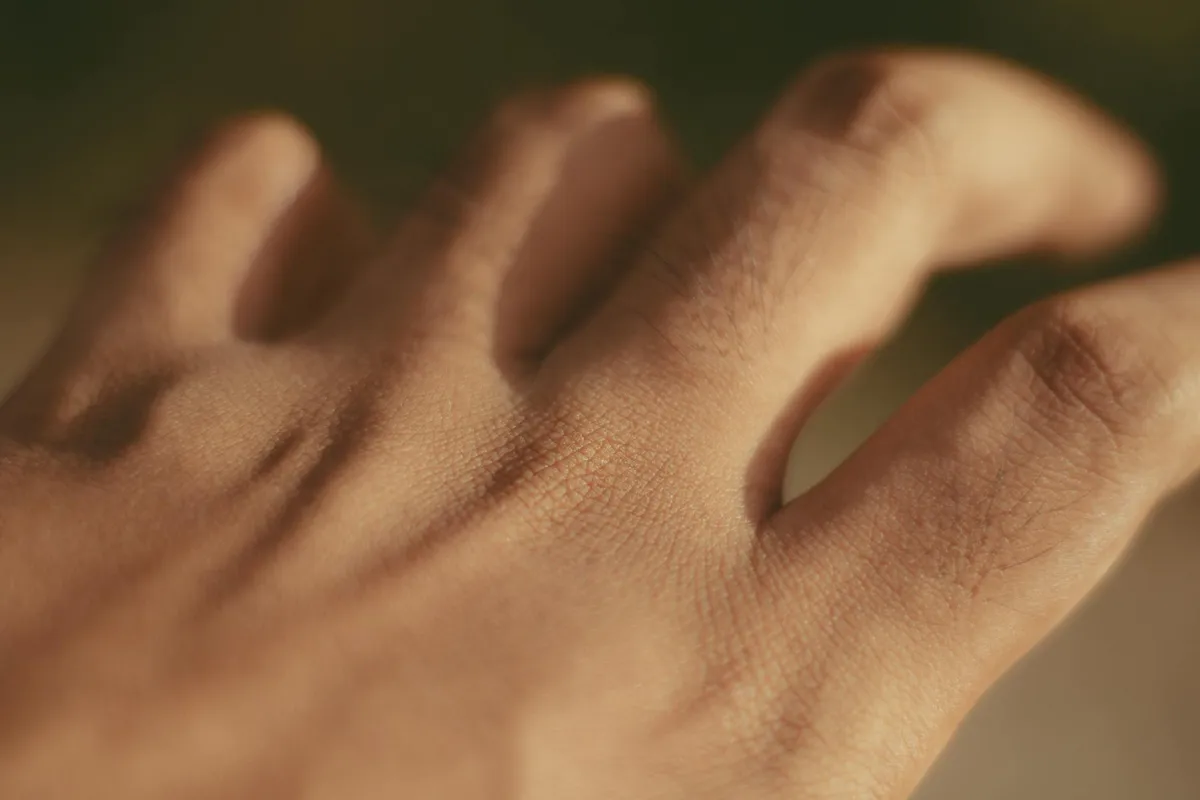
Hand numbness refers to a loss or reduction of sensation in one or both hands, which may be temporary and positional or persistent and progressive. The most common cause is carpal tunnel syndrome — compression of the median nerve at the wrist — which characteristically causes numbness and tingling in the thumb, index, and middle fingers, often waking people at night. Other causes include cervical nerve root compression (causing numbness radiating from the neck), peripheral neuropathy from diabetes or vitamin B12 deficiency, Raynaud's phenomenon (vascular spasm in cold), thoracic outlet syndrome, repetitive strain, and, less commonly, central nervous system conditions. Holistic assessment considers posture, occupational demands, circulation, and nutritional factors alongside structural causes.
Could this be you
Hand Numbness shows up differently for everyone. Browse by how it tends to be felt — these are common experiences, not a checklist or a diagnosis.
Common experiences people describe — not a diagnostic checklist.
The Evidence
What research and clinical practice say about hand numbness, its common causes, and the approaches with the strongest support.
Cause-dependent — some approaches are well-supported
Hand numbness has several well-understood causes, and evidence quality varies by cause and approach. Night splinting for carpal tunnel syndrome and B12 supplementation for confirmed deficiency have strong support; other approaches range from moderate to limited depending on the underlying mechanism.
Sudden numbness alongside weakness, facial drooping, or speech difficulty may indicate stroke and requires emergency care. A severe headache described as the worst ever, vision changes with other neurological symptoms, or loss of consciousness are also urgent warning signs. Do not self-manage new or rapidly worsening numbness without professional assessment.
Night splinting for carpal tunnel syndrome has strong evidence for symptom relief. Vitamin B12 supplementation is well-supported when deficiency is confirmed. Acupuncture has moderate evidence for carpal tunnel-related symptoms. Physiotherapy and osteopathy have moderate support for cervical and thoracic outlet-related numbness. Cold avoidance and certain medications have evidence for Raynaud's-related symptoms.
Hand numbness has multiple possible origins — nerve compression, circulation, nutritional deficiency, or systemic conditions — and the appropriate approach depends on which is involved. A GP, neurologist, or physiotherapist can help identify the cause through clinical assessment and, where needed, nerve conduction studies or blood tests. Complementary approaches work best alongside, not instead of, professional assessment.
Conventional options include splinting, physiotherapy, and medical management of underlying conditions. Complementary approaches such as acupuncture and manual therapy are used alongside these, particularly for carpal tunnel and cervical-related numbness. Nutritional assessment for B12 or other deficiencies is relevant where peripheral neuropathy is suspected. Posture, ergonomics, and occupational factors are also commonly addressed.
Research on complementary approaches for hand numbness is often limited by small sample sizes and short follow-up periods. Many studies focus on carpal tunnel syndrome specifically, so findings may not apply to other causes. Self-managing hand numbness without identifying the underlying cause risks missing a condition that requires specific professional care. Evidence for some holistic approaches remains preliminary.
References
Educational sources that inform this overview. Inclusion is for context and does not imply endorsement.
Full citations are maintained by the Gyfts editorial team and reviewed periodically.
Keep exploring
Browse practitioners, explore honest overviews, and take what you learn to a conversation — at your own pace.