What it is
A persistent difficulty falling asleep, staying asleep, or achieving restorative sleep, despite adequate opportunity, that affects daytime functioning.
A persistent difficulty falling asleep, staying asleep, or achieving restorative sleep, despite adequate opportunity, that affects daytime functioning.
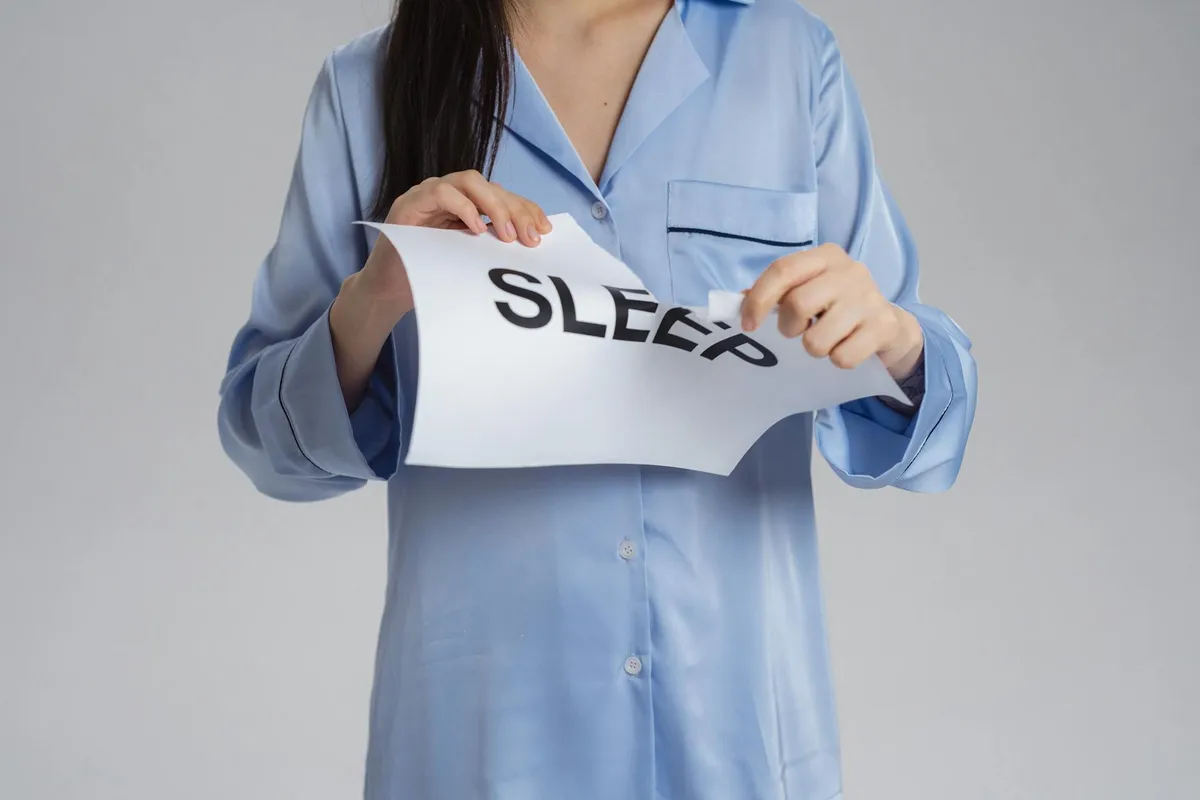
At a glance
What it is
A persistent difficulty falling asleep, staying asleep, or achieving restorative sleep, despite adequate opportunity, that affects daytime functioning.
Commonly experienced as
Evidence context
Research-supportedSee the evidence snapshotContext
Insomnia is the most prevalent sleep disorder, affecting up to one in three adults at some point. It encompasses difficulty initiating sleep (sleep onset insomnia), maintaining sleep (sleep maintenance insomnia with frequent awakenings), early morning awakening, or non-restorative sleep — or any combination of these. Acute insomnia is typically triggered by stress, life events, or environmental changes. Chronic insomnia (lasting more than three months and occurring at least three nights per week) involves a self-perpetuating cycle in which unhelpful beliefs about sleep, conditioned arousal in the bedroom, and compensatory behaviours (extended time in bed, napping) maintain the problem beyond its original trigger. The cognitive, behavioural, and physiological components of chronic insomnia are highly responsive to evidence-based psychological and lifestyle intervention.
Could this be you
Insomnia shows up differently for everyone. Browse by how it tends to be felt — these are common experiences, not a checklist or a diagnosis.
Common experiences people describe — not a diagnostic checklist.
The Evidence
What the research says about insomnia, which approaches have the strongest support, and when to seek professional assessment.
Insomnia is one of the most researched sleep concerns
Psychological and behavioural approaches — particularly CBT-I — have a strong evidence base for chronic insomnia. Complementary options such as acupuncture, mindfulness, and certain herbal remedies show emerging-to-moderate support alongside first-line care.
Seek prompt professional assessment if you notice breathing pauses during sleep, excessive daytime sleepiness that creates safety risks, or sleep disturbance accompanied by thoughts of self-harm. Sudden-onset insomnia with no clear cause also warrants evaluation. These situations fall outside the scope of self-directed or complementary approaches.
Cognitive Behavioural Therapy for Insomnia (CBT-I) has strong evidence across multiple trials, targeting the thought patterns and behaviours that maintain poor sleep. Sleep restriction and stimulus control — core CBT-I components — reliably improve sleep efficiency. Melatonin has strong evidence for circadian-related sleep disruption and modest evidence for general insomnia.
Acupuncture has moderate evidence for improving sleep onset and overall sleep quality. Mindfulness-based therapies show moderate evidence for reducing the cognitive arousal and rumination that sustain chronic insomnia. Herbal options — valerian root, chamomile, passionflower — have emerging-to-moderate evidence for reducing sleep latency, though study quality varies.
When insomnia persists beyond three months, unhelpful beliefs about sleep, conditioned bedroom arousal, and compensatory behaviours such as extended time in bed tend to maintain the problem. Recognising this cycle is central to evidence-based intervention. A qualified practitioner can assess whether underlying conditions — medical, psychological, or sleep-specific — are contributing.
CBT-I delivered by a trained practitioner remains the recommended first-line approach for chronic insomnia. Complementary and lifestyle strategies — sleep hygiene, mindfulness, acupuncture — can support but are not substitutes for professional assessment where symptoms are persistent or severe. Gyfts can help you explore options; it does not replace qualified care.
Evidence for herbal supplements varies considerably in study quality and dosage standardisation. Melatonin's benefit for general insomnia — beyond circadian disruption — remains modest. No complementary approach has been shown to match CBT-I for chronic insomnia outcomes. Inflated outcome claims in this space are common; approach them with appropriate scepticism.
Top Practitioners
Practitioners are ranked using relevance, experience signals, reviews, and support-area fit.
Read next
References
Educational sources that inform this overview. Inclusion is for context and does not imply endorsement.
Full citations are maintained by the Gyfts editorial team and reviewed periodically.
Keep exploring
Browse practitioners, explore honest overviews, and take what you learn to a conversation — at your own pace.