What it is
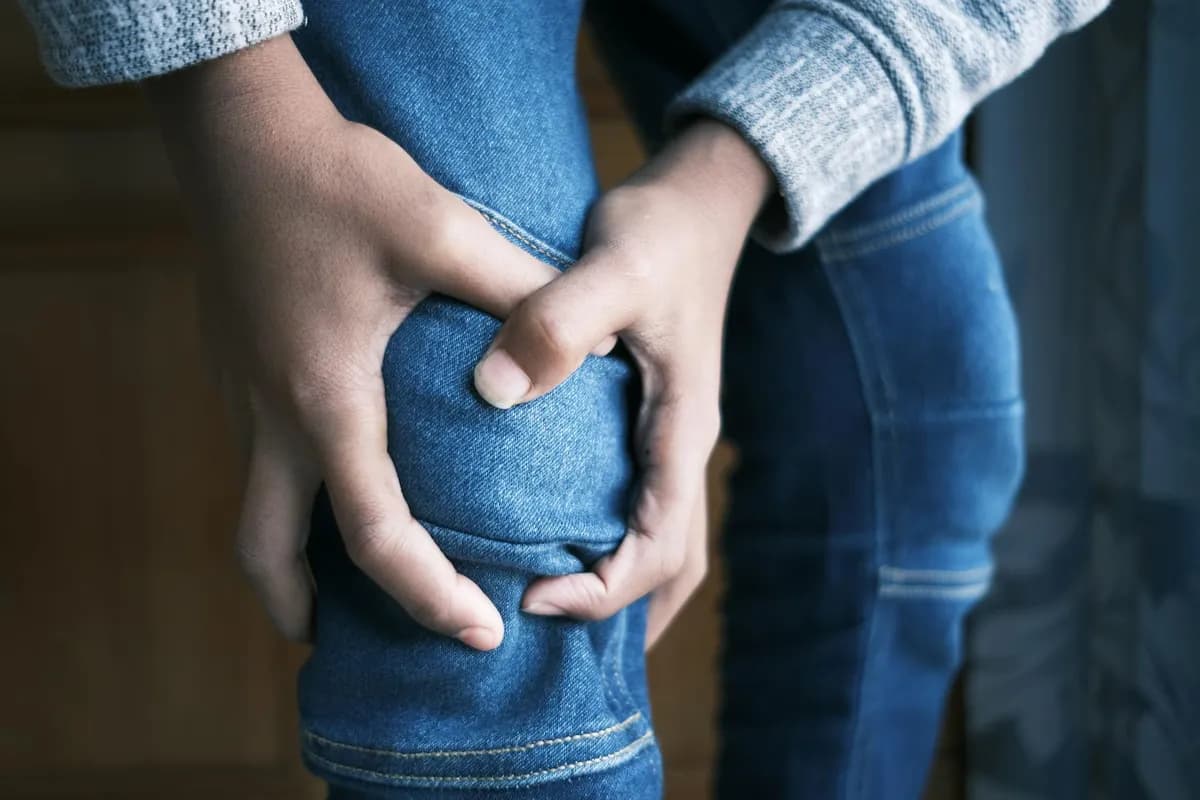
Pain in the knee joints, often exacerbated by movement.
Pain in the knee joints, often exacerbated by movement.
At a glance
What it is
Pain in the knee joints, often exacerbated by movement.
Commonly experienced as
Evidence context
Emerging evidenceSee the evidence snapshotContext
Knee joint pain describes pain arising from within or around the knee — one of the largest and most mechanically demanding joints in the body. It can originate from the patellofemoral joint (front of knee), the medial or lateral compartment, the menisci, ligaments, bursae, or the infrapatellar fat pad. Common causes include osteoarthritis (progressive cartilage loss causing pain with activity and rest), patellofemoral pain syndrome (pain around the kneecap, particularly with stairs, squatting, or prolonged sitting), meniscal injury (sharp pain with twisting movements and swelling), ligament damage (from sports or trauma), bursitis (bursae inflammation), and Osgood-Schlatter disease in adolescents. Weight management, exercise modification, physiotherapy, and specific strengthening programmes address knee pain from most mechanical causes before surgical intervention is considered.
Could this be you
Knee Joint Pain shows up differently for everyone. Browse by how it tends to be felt — these are common experiences, not a checklist or a diagnosis.
Common experiences people describe — not a diagnostic checklist.
The Evidence
What research and clinical practice say about understanding and managing knee joint pain.
Knee pain has a meaningful evidence base with several commonly used management options
Knee joint pain has a meaningful evidence base across physiotherapy, exercise, and lifestyle approaches. Many mechanical causes show meaningful improvement with structured rehabilitation before more invasive options are considered.
Seek prompt professional attention if you experience sudden inability to bear weight, significant swelling with redness or heat, symptoms following a fall or trauma, or progressive loss of strength and function. These signs may indicate injury or conditions requiring timely professional assessment rather than self-management.
Structured physiotherapy, targeted strengthening, and weight management have consistent moderate-to-strong evidence for reducing knee pain across common causes including osteoarthritis and patellofemoral pain syndrome. Supportive footwear and activity modification also show meaningful benefit. Evidence varies by underlying cause, so professional assessment helps guide the most relevant approach.
The knee involves cartilage, menisci, ligaments, bursae, and the patellofemoral joint — each capable of generating pain with different patterns. Osteoarthritis, meniscal injury, bursitis, and patellofemoral pain syndrome are among the most common causes. Identifying the likely source shapes which approaches are most appropriate.
Physiotherapy, strengthening programmes, and weight management are first-line approaches with good evidence. Complementary options such as acupuncture and massage are used alongside conventional care by some people, with limited to moderate supporting evidence. Surgical intervention is generally considered only when conservative approaches have not provided sufficient relief.
A physiotherapist, sports medicine practitioner, or general practitioner can assess the likely source of knee pain and recommend a structured plan. Self-directed approaches may be appropriate for mild symptoms, but persistent, worsening, or unclear knee pain warrants professional evaluation to avoid missing conditions that need specific attention.
Evidence quality varies across interventions and knee pain types. What works well for osteoarthritis may differ from what helps patellofemoral pain or a ligament injury. Inflated outcome claims from any single product or therapy should be viewed with caution. Gyfts content is educational and does not replace professional assessment or a personalised management plan.
References
Educational sources that inform this overview. Inclusion is for context and does not imply endorsement.
Full citations are maintained by the Gyfts editorial team and reviewed periodically.
Keep exploring
Browse practitioners, explore honest overviews, and take what you learn to a conversation — at your own pace.