What it is
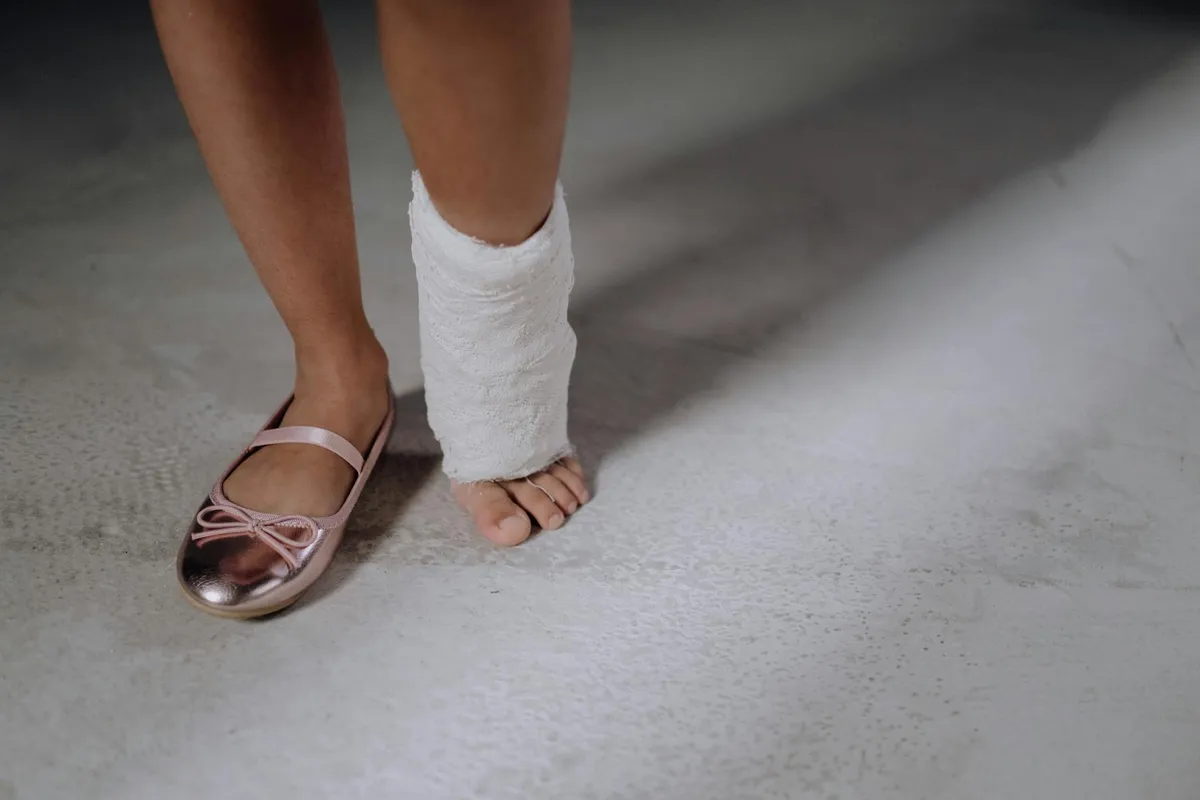
An abnormal or uneven gait pattern caused by pain, weakness, or structural asymmetry in the leg or hip.
An abnormal or uneven gait pattern caused by pain, weakness, or structural asymmetry in the leg or hip.
At a glance
What it is
An abnormal or uneven gait pattern caused by pain, weakness, or structural asymmetry in the leg or hip.
Commonly experienced as
Evidence context
Experiential supportSee the evidence snapshotContext
Limping describes an asymmetric gait pattern in which the person alters their normal walking mechanics — shortening stance phase on the affected side, shifting weight away from pain, or compensating for weakness or structural deformity. Antalgic limp (pain-avoidance gait) shortens the time spent weight-bearing on the painful limb — common in hip, knee, ankle, or foot pain. Trendelenburg gait arises from weak hip abductor muscles (particularly gluteus medius), causing the trunk to sway toward the affected side with each step. Neurological limps arise from foot drop (peroneal nerve injury or stroke), spasticity, or Parkinson's disease. Limping in children always warrants prompt assessment to exclude septic arthritis, Perthes disease, or developmental hip dysplasia.
Could this be you
Limping shows up differently for everyone. Browse by how it tends to be felt — these are common experiences, not a checklist or a diagnosis.
Common experiences people describe — not a diagnostic checklist.
The Evidence
What research and clinical practice say about gait asymmetry, its causes, and the approaches used to support recovery.
Limping is a sign, not a condition — the cause guides care
Limping reflects an underlying issue — pain, weakness, nerve involvement, or structural change — and evidence supports identifying and addressing that cause. Physiotherapy-led gait rehabilitation has a reasonably supported evidence base across several common causes, though quality and consistency of evidence varies.
Sudden inability to bear weight, a joint that is swollen, hot, and red, or limping following a fall or trauma all warrant same-day assessment. In children, a new limp should always be evaluated promptly to rule out serious joint or bone conditions. Progressive leg weakness alongside limping also requires urgent attention.
A GP or physiotherapist can assess gait pattern and help identify whether the cause is musculoskeletal, neurological, or structural. Imaging or specialist referral may follow. Children with unexplained limping should be seen by a clinician promptly. Self-referral to a physiotherapist is appropriate for many adults with pain-related gait changes.
Evidence for physiotherapy in restoring normal gait is generally supportive across several conditions, though it varies in quality and scope — including hip and knee pain, post-surgical recovery, and neurological rehabilitation. Addressing the underlying cause — whether pain, muscle weakness, or nerve function — consistently improves gait outcomes. Evidence for complementary approaches as standalone options is limited and varies by cause.
Practices such as hydrotherapy, yoga-based movement, and massage therapy are sometimes used alongside physiotherapy to support muscle function, reduce discomfort, and improve body awareness. Evidence for these as adjuncts is modest and condition-dependent. They are not substitutes for professional assessment and should be discussed with a treating clinician.
An antalgic limp shortens weight-bearing time on a painful limb. A Trendelenburg gait reflects weak hip abductor muscles. Neurological causes — such as foot drop or spasticity — produce distinct patterns requiring different management. Recognising the type of limp helps clinicians identify the cause and select appropriate support.
Limping has a wide range of causes, some of which require imaging, blood tests, or specialist review to identify. No educational resource can substitute for a hands-on clinical assessment. If limping is new, worsening, or accompanied by other symptoms, professional evaluation is the appropriate first step.
References
Educational sources that inform this overview. Inclusion is for context and does not imply endorsement.
Full citations are maintained by the Gyfts editorial team and reviewed periodically.
Keep exploring
Browse practitioners, explore honest overviews, and take what you learn to a conversation — at your own pace.