What it is
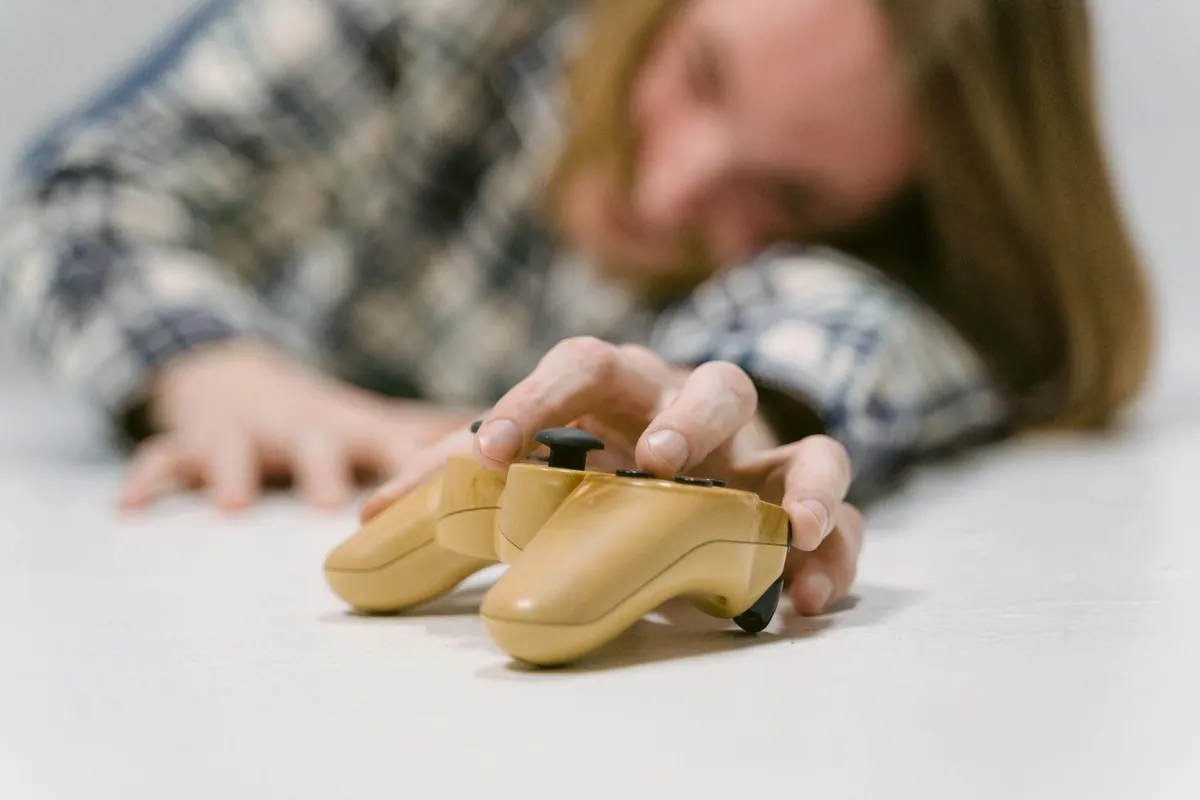
Loss of control describes a subjective or objective inability to regulate one's own behaviour, impulses, emotions, or bodily functions.
A felt or actual inability to regulate one's impulses, emotions, eating, substance use, or physical functions, causing distress or harm.
At a glance
What it is
Loss of control describes a subjective or objective inability to regulate one's own behaviour, impulses, emotions, or bodily functions.
Commonly experienced as
Evidence context
Research-supportedSee the evidence snapshotSafety
See staying safeContext
Loss of control is a broad symptom spanning multiple domains: emotional (inability to regulate anger, tears, or anxiety); behavioural (gambling, substance use, binge eating, self-harm driven by compulsive urges); physical (urinary or bowel incontinence, motor dyscontrol in neurological disease); and cognitive (dissociative loss of volitional control). It is a cardinal feature of addiction (compulsive use despite adverse consequences), eating disorders (loss of control eating in binge eating disorder and bulimia), borderline personality disorder (emotional and behavioural dysregulation), ADHD (impulse control deficits), and acquired neurological conditions (frontal lobe damage, Tourette's). The subjective experience of loss of control is often central to shame, stigma, and treatment avoidance.
Could this be you
Loss of Control shows up differently for everyone. Browse by how it tends to be felt — these are common experiences, not a checklist or a diagnosis.
Common experiences people describe — not a diagnostic checklist.
The Evidence
What research and clinical practice say about loss of control — across emotional, behavioural, physical, and cognitive domains.
Loss of control is well-studied across multiple conditions
Loss of control is a core feature of addiction, eating disorders, ADHD, BPD, and several neurological conditions. Evidence-based approaches exist for most presentations, though the right pathway depends heavily on the underlying cause.
Seek immediate support if loss of control involves self-harm or risk to others, sudden loss of control over movement or speech (possible neurological event), or psychotic features. Complete inability to stop substance use despite serious consequences may indicate physical dependence — stopping abruptly without medical support can be dangerous.
DBT has strong evidence for emotional and behavioural dysregulation in BPD and eating disorders. CBT and motivational interviewing are well-supported in addiction. Stimulant medications show consistent benefit for impulse control in ADHD. For neurological causes, management depends on the underlying condition and may involve rehabilitation specialists.
Shame-based approaches consistently worsen the psychological conditions that undermine self-regulation — non-judgmental framing is not just ethical, it is clinically relevant. Where physical dependence on substances is present, medically supervised withdrawal is important. Any sudden or new onset loss of control warrants professional assessment to rule out medical causes.
Loss of control spans emotional, behavioural, physical, and cognitive presentations — each pointing toward different care pathways. A GP or mental health professional can help identify the underlying driver. Addiction medicine, psychiatry, neurology, and eating disorder services each have relevant expertise depending on presentation.
Mindfulness-based approaches build the pause capacity and interoceptive awareness that underpin self-regulation — with a growing evidence base in impulse control and emotional dysregulation. Somatic practices may help people reconnect with bodily signals that precede loss of control. These approaches are generally used alongside, not instead of, professional care.
TCM, Ayurveda, and contemplative traditions have long engaged with disruptions of will and self-regulation. Practices such as meditation, structured ritual, and community accountability are used across traditions to support behaviour regulation. These frameworks offer meaningful context for some people, and are best explored alongside qualified professional support where clinical need exists.
Safety first
General, informational guidance — not diagnostic. A qualified practitioner can advise on your own situation.
Top Practitioners
Practitioners are ranked using relevance, experience signals, reviews, and support-area fit.
References
Educational sources that inform this overview. Inclusion is for context and does not imply endorsement.
Full citations are maintained by the Gyfts editorial team and reviewed periodically.
Keep exploring
Browse practitioners, explore honest overviews, and take what you learn to a conversation — at your own pace.