Before the Session: What to Expect
The anticipation before your first Somatic Experiencing session often carries a mix of hope and uncertainty. You may wonder what will happen, whether you will have to talk about painful memories, or if your body will betray you by triggering overwhelming emotions. These concerns are natural. It helps to know that SE is not a talk-focused therapy. Your practitioner will not ask you to narrate your trauma in detail. Instead, you will be guided to notice subtle physical sensations—where you feel safe, where you feel tension, how your breathing shifts. Before the session, wear comfortable clothing that allows you to feel and move your body freely. Arrive a few minutes early to settle into the environment. You may be asked to fill out a brief intake form describing what brought you in and any significant medical or mental health history. This helps your practitioner understand your context without requiring you to dive into a full trauma narrative. Consider whether you have a 'resource'—a memory, person, place, or sensation that feels grounding to you. Your practitioner may ask you to call on this during the session to anchor yourself. If you are currently on psychiatric medication, continue taking it as prescribed; SE complements rather than replaces medication.
Arriving and Setting the Scene
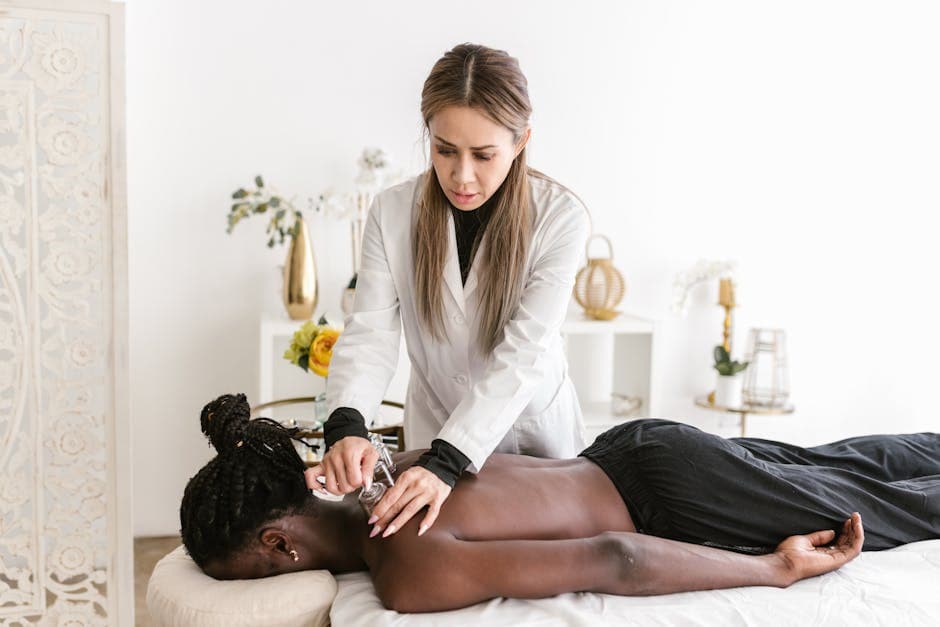
As you step into the practitioner's office, you will likely notice the physical environment. Somatic Experiencing spaces are typically designed to feel safe and calm—soft lighting, comfortable seating, minimal visual clutter, and often a quiet, private setting where you will not be interrupted. Your nervous system begins to register safety cues immediately. The practitioner greets you warmly and invites you to sit wherever feels comfortable. You might sit in a chair, on a couch, or even stand, depending on what you need. The room temperature, the quality of light, the distance between you and your practitioner—all of these matter. A skilled SE practitioner is attuned to your physical presence from the moment you arrive. They may notice your posture, your breathing, whether you seem grounded or disconnected. This observation is part of the assessment. You are not being judged; rather, your practitioner is beginning to understand your baseline nervous system state. After a brief check-in about what brought you in and any immediate concerns, your practitioner may ask you simply to notice how your body feels right now. No judgment, no need to fix anything—just awareness. This simple invitation to turn your attention inward often feels like relief. For many people, especially those who have experienced trauma, there is a gap between what is happening in the body and conscious awareness. Somatic Experiencing begins to close that gap gently.
During the Session
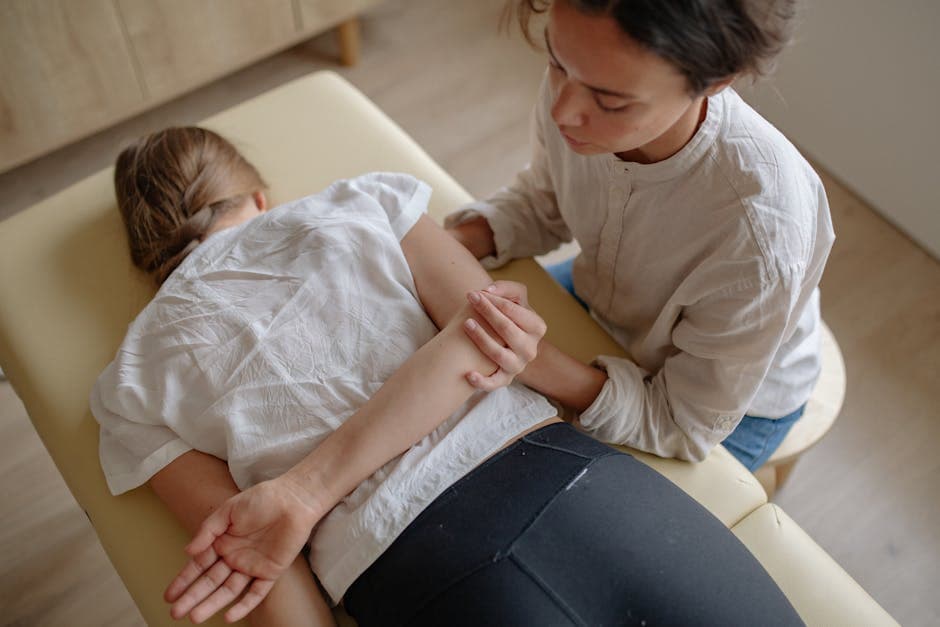
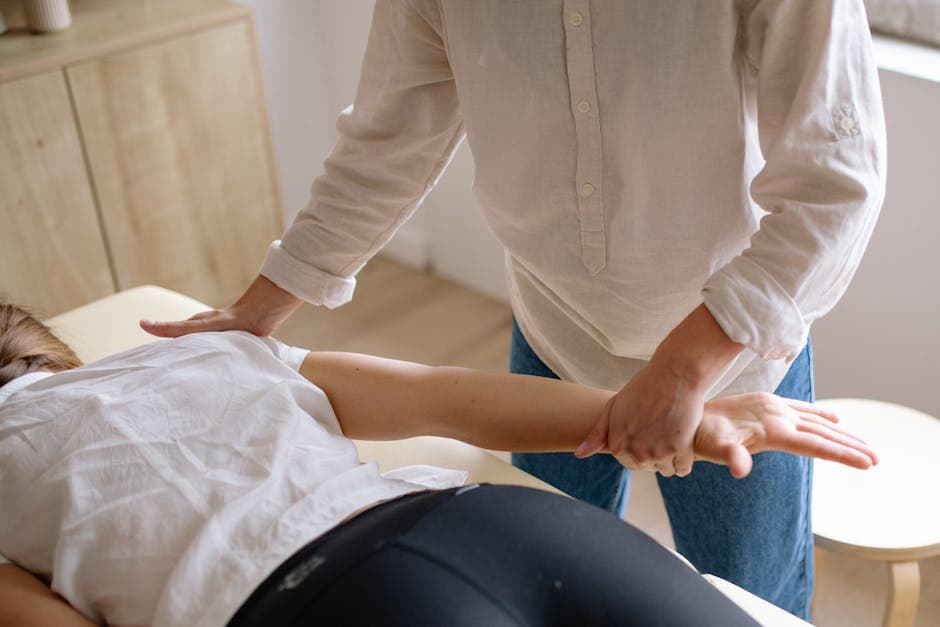
Once the session begins, the pace slows considerably. Your practitioner may invite you to close your eyes or keep them softly open—whatever feels safer. They might ask, 'What do you notice in your body right now?' You might respond that your shoulders feel tight, your stomach feels numb, or your breathing is shallow. These are all valid observations. The practitioner then uses a process called titration, which means they guide you to stay with small, manageable amounts of sensation or activation at a time. If you begin to feel overwhelmed, they help you return to a resourced state—perhaps by reminding you of a safe place or having you feel your feet on the ground. The work is conversational but never pushes you to process more than you can hold in a given moment. You might notice that as you bring awareness to a tight shoulder, it begins to soften. Or you might feel a wave of emotion arise, which your practitioner helps you track without getting swept away by it. Some people report feeling energy moving through their body—a tremor, a wave, or a sense of release. Others experience profound stillness. There is no 'right' experience. The beauty of SE is that it honors what emerges for you. If a traumatic memory surfaces, your practitioner does not ask you to analyze it or talk through it in detail. Instead, they help you notice: 'What happens in your body when you think about that?' You might notice a tightening in your chest or a sense of being frozen. Your practitioner then guides you to complete what your body needed to do in the moment of the original trauma—perhaps mobilizing energy, taking a deep breath, or a subtle shift in posture. This completion process is where much of the healing happens. By the end of the session, you often feel noticeably calmer, more grounded, and more connected to your body.
How You May Feel Afterwards
The hours and days following a Somatic Experiencing session often bring unexpected shifts. Immediately after, you might feel deeply relaxed, as if a weight has lifted from your shoulders. Some people describe it as feeling 'lighter' or 'more present.' You may notice that you are breathing more deeply, that your posture is more open, or that you feel safer in your own skin. Sleep that night is often deeper and more restful. Over the following days, you might become more aware of sensations you have been numb to—not in an overwhelming way, but as a gentle reconnection. You might notice when you are tensing in response to stress and be able to release it more easily. Small everyday triggers may feel less intense. Some people report that old physical pain diminishes or changes character. Emotionally, many describe feeling less 'stuck' or fragmented, and more integrated. Your body and mind begin to feel like one system rather than opposing forces. You might also notice that you process emotions differently. Instead of becoming flooded or shutting down, you can feel emotion moving through you in a more natural way. This does not happen overnight, and it is not linear. There may be days when old symptoms resurface briefly as your nervous system continues to process. Your practitioner will help you understand these fluctuations as part of the healing journey, not setbacks. Most people find that consistent SE sessions over weeks or months create cumulative benefits: improved sleep quality, reduced anxiety or panic, greater emotional resilience, and a felt sense of being more at home in your body. For those with chronic pain, fibromyalgia, or trauma-related tension, the relief is often profound.
Is It Right for You?
Somatic Experiencing may be a good fit if you have experienced trauma, carry anxiety in your body, struggle with panic attacks, or live with chronic pain rooted in tension or nervous system dysregulation. It is especially valuable for people who have tried talk therapy alone and want a more embodied approach, or who feel disconnected from their body. If you have strong awareness of your bodily sensations and are curious about what your body is telling you, SE can deepen that relationship. SE is also suitable for those who prefer not to rely solely on medication, though it works beautifully alongside prescribed treatment. However, SE is not appropriate as a sole treatment for acute psychiatric crises, severe active dissociation, or untreated substance dependence. If you are experiencing suicidal ideation or severe depression, consult a mental health professional or crisis service immediately. SE is not a replacement for medical care. If you have significant cardiac, neurological, or other medical conditions, discuss SE with your doctor before beginning. A qualified Somatic Experiencing practitioner will have completed formal training through the Somatic Experiencing International (SEI) organization and will be able to discuss their credentials, experience, and approach in your initial conversation. Trust your instinct: if you feel safe and heard with a particular practitioner, that foundation of safety is essential for the work to unfold. Most people who try SE find that reconnecting with their body's wisdom—and learning that their body can heal—transforms not just their symptoms but their relationship with themselves.