What it is
A low level of beneficial HDL cholesterol in the blood, which is associated with increased cardiovascular risk and often linked to lifestyle and metabolic factors.
A low level of beneficial HDL cholesterol in the blood, which is associated with increased cardiovascular risk and often linked to lifestyle and metabolic factors.
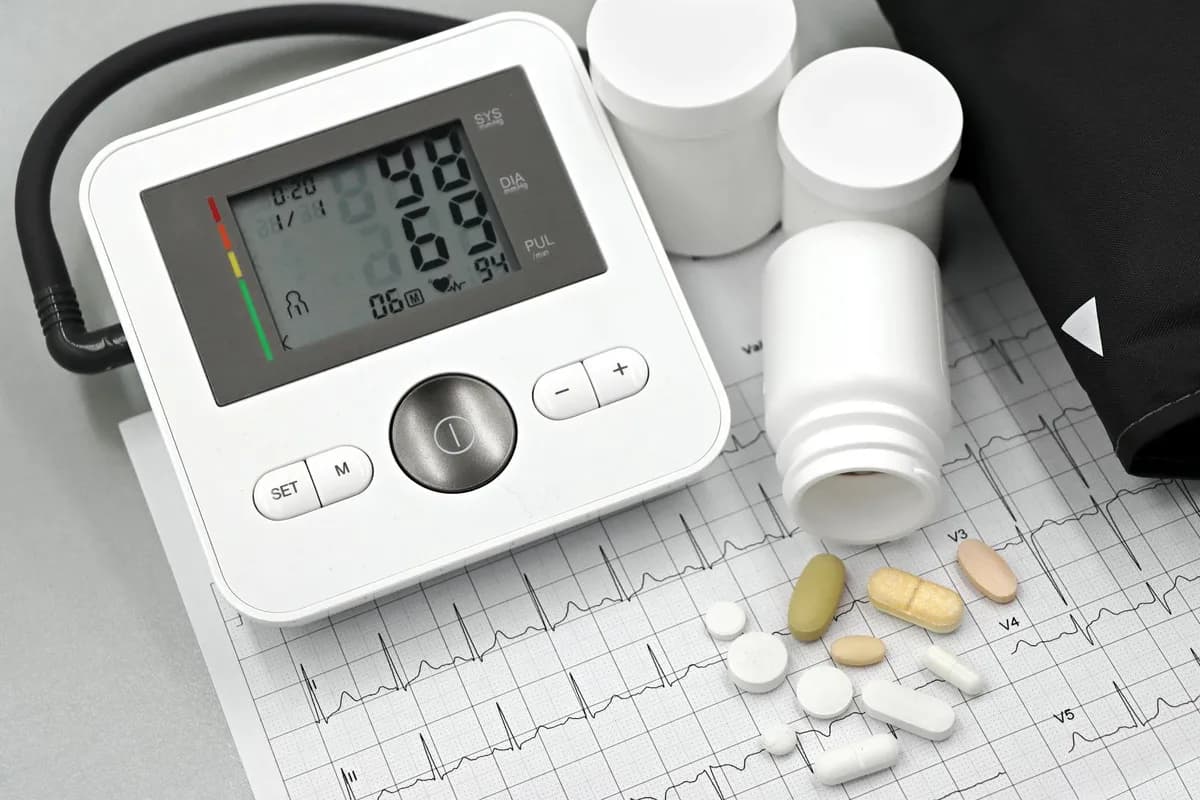
At a glance
What it is
A low level of beneficial HDL cholesterol in the blood, which is associated with increased cardiovascular risk and often linked to lifestyle and metabolic factors.
Commonly experienced as
Evidence context
Research-supportedSee the evidence snapshotContext
HDL (high-density lipoprotein) cholesterol is often called 'good' cholesterol because it transports excess cholesterol away from the arteries to the liver for processing. Low HDL levels — below 1.0 mmol/L in men or 1.2 mmol/L in women — are associated with increased risk of heart disease and stroke, even when total cholesterol appears normal. Low HDL is linked to physical inactivity, smoking, abdominal obesity, refined carbohydrate consumption, insulin resistance, and type 2 diabetes. Unlike LDL cholesterol, HDL is particularly responsive to exercise and lifestyle modification. Holistic practitioners view low HDL as a metabolic indicator reflective of systemic inflammation, dietary patterns, and lifestyle load.
Could this be you
Low HDL Cholesterol shows up differently for everyone. Browse by how it tends to be felt — these are common experiences, not a checklist or a diagnosis.
Common experiences people describe — not a diagnostic checklist.
The Evidence
What research says about low HDL cholesterol, lifestyle factors, and the approaches that may support cardiovascular health.
Low HDL is a well-studied cardiovascular risk marker
Low HDL cholesterol is strongly associated with increased heart disease and stroke risk, with robust evidence linking it to lifestyle factors including physical inactivity, smoking, and dietary patterns. Lifestyle modification — particularly exercise — has the strongest evidence for raising HDL levels.
Chest pain with shortness of breath, arm pain, or jaw pain may indicate a cardiac emergency. Sudden severe palpitations with dizziness or fainting, leg swelling with breathlessness, or a sudden cold, pale, or blue limb all require emergency assessment. Low HDL is a background risk factor — these symptoms are acute warning signs.
Regular aerobic exercise consistently raises HDL levels across multiple studies and is considered the most evidence-supported lifestyle intervention. Omega-3 fatty acids and olive oil show moderate evidence for improving the HDL-to-LDL ratio. Niacin historically raised HDL but is now less favoured due to side effect profiles. Plant sterols have stronger evidence for LDL reduction than direct HDL improvement.
HDL below 1.0 mmol/L in men or 1.2 mmol/L in women is considered low, but risk assessment considers the full lipid profile alongside blood pressure, blood glucose, weight, and family history. Low HDL frequently co-occurs with insulin resistance, abdominal obesity, and elevated triglycerides — a cluster sometimes called metabolic syndrome. Professional assessment is needed to interpret individual risk.
From a holistic standpoint, low HDL is seen as a marker of systemic inflammation, dietary load, and lifestyle habits rather than an isolated number. Naturopathic dietary protocols combining anti-inflammatory foods, reduced refined carbohydrates, and targeted nutrients show clinical promise, though large-scale trial evidence remains limited. These approaches are best used alongside — not instead of — professional cardiovascular assessment.
Physical inactivity, smoking, high refined carbohydrate intake, and abdominal obesity are among the most consistently identified contributors to low HDL. Quitting smoking, increasing aerobic activity, and shifting toward unsaturated fats and whole foods are supported by evidence. HDL is notably more responsive to lifestyle change than LDL, making behavioural factors particularly relevant here.
A GP or cardiologist can assess HDL in the context of your full lipid panel, blood pressure, and metabolic markers. If low HDL is identified alongside elevated triglycerides, high blood glucose, or a family history of heart disease, professional guidance is important before starting any supplement or dietary protocol. Complementary approaches work best when coordinated with qualified care.
Featured
These practitioners have chosen to be featured on Gyfts.
References
Educational sources that inform this overview. Inclusion is for context and does not imply endorsement.
Full citations are maintained by the Gyfts editorial team and reviewed periodically.
Keep exploring
Browse verified practitioners, explore honest overviews, and take what you learn to a conversation — at your own pace.
