What it is
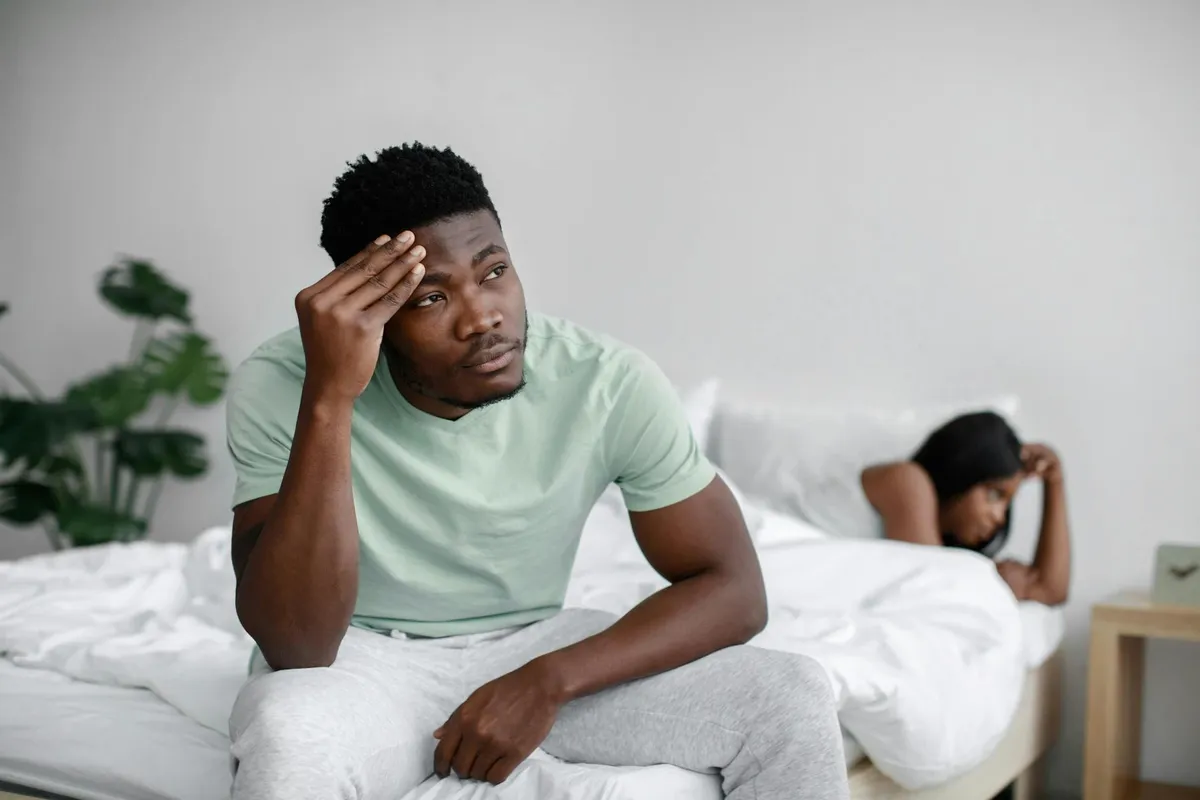
Low libido (reduced sexual desire) describes a persistent reduction in interest, motivation, or drive for sexual activity that causes personal distress or relationship difficulty.
A persistent reduction in interest, motivation, or drive for sexual activity that causes personal distress or relationship difficulty.
At a glance
What it is
Low libido (reduced sexual desire) describes a persistent reduction in interest, motivation, or drive for sexual activity that causes personal distress or relationship difficulty.
Commonly experienced as
Evidence context
Emerging evidenceSee the evidence snapshotSafety
See staying safeContext
Low libido (hypoactive sexual desire) describes a sustained reduction in sexual interest — both spontaneous desire (arising without external stimulation) and responsive desire (arising in response to sexual stimulation) — causing personal distress or relationship difficulty. It is important to distinguish low libido from asexuality (a stable identity, not a disorder requiring treatment) and from situational low desire (contextually understandable, not causing distress). Physiological contributors include hormonal factors (low testosterone in men and women, high prolactin, hypothyroidism, oestrogen decline at menopause), medication effects (SSRIs, antipsychotics, antihypertensives, oral contraceptives), chronic illness and fatigue, pain (particularly vaginismus or dyspareunia making sex aversive). Psychological contributors include depression, anxiety, relationship difficulties, body image distress, trauma history, performance anxiety, and stress.
Could this be you
Low Libido shows up differently for everyone. Browse by how it tends to be felt — these are common experiences, not a checklist or a diagnosis.
Common experiences people describe — not a diagnostic checklist.
The Evidence
Low libido has identifiable physical and psychological contributors. Understanding the evidence helps you find the right kind of support.
Multiple causes, multiple evidence-backed pathways
Low libido is well-studied across hormonal, psychological, and relational dimensions. Evidence-backed options exist, but the right approach depends on identifying the underlying contributor — which often requires professional assessment.
Low libido alongside fatigue, weight changes, or cold intolerance may suggest thyroid or hormonal causes worth investigating. If you are taking SSRIs, antipsychotics, or oral contraceptives, medication effects are a common and reversible contributor. Pain during sex warrants assessment for vaginismus, dyspareunia, or endometriosis before other approaches are tried.
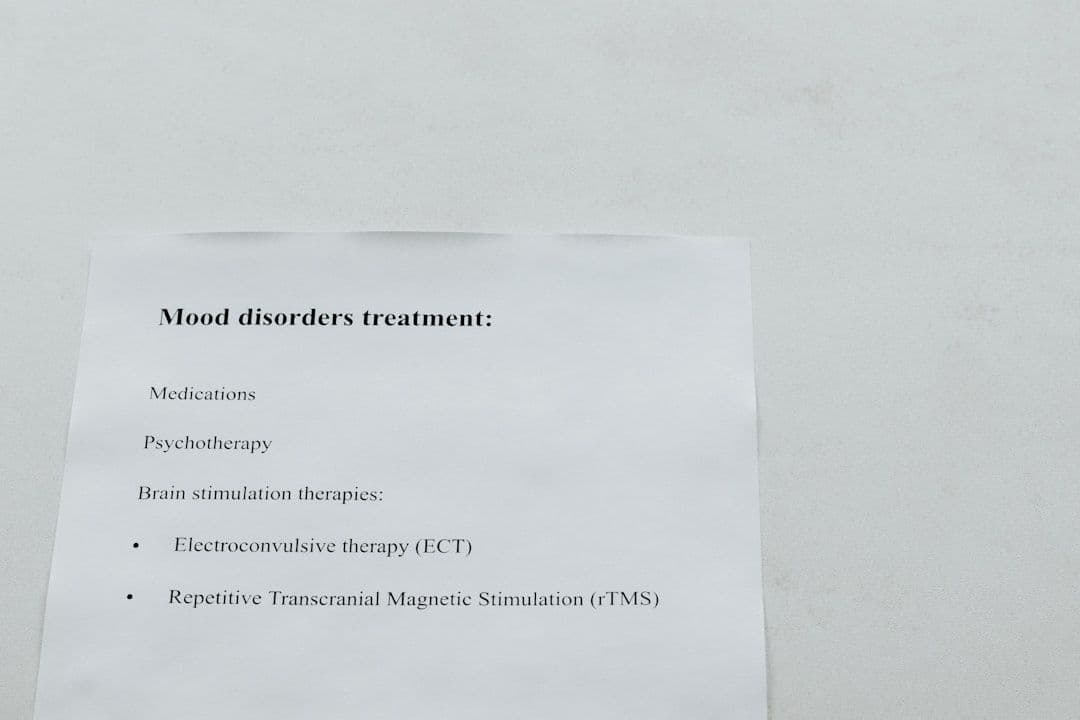
Testosterone therapy has strong evidence in men with confirmed hypogonadism and moderate evidence in women with low testosterone. HRT, including local oestrogen, addresses menopause-related desire reduction. Psychosexual therapy and sensate focus exercises have good evidence for psychological and relational contributors. Flibanserin is licensed for premenopausal hypoactive sexual desire disorder, though its clinical effect is modest.
Testosterone therapy in women requires careful monitoring — levels above the physiological range carry cardiovascular and virilisation risks. Flibanserin has significant drug interactions and must not be combined with alcohol or certain medications. Any hormonal approach should be overseen by a qualified clinician with appropriate baseline assessment.
SSRIs, antipsychotics, antihypertensives, and oral contraceptives are all associated with reduced sexual desire. A medication review with a prescribing clinician can clarify whether a current medication is contributing and whether alternatives are appropriate. This is one of the most actionable steps for people whose low libido coincided with starting a new medication.
Ayurvedic vajikarana rasayana — including ashwagandha, shatavari, and mucuna pruriens — targets reproductive tissue nourishment, with some emerging clinical evidence for sexual function. TCM addresses patterns such as kidney yang deficiency with warming herbs and acupuncture. These approaches reflect coherent traditional frameworks; evidence quality varies and they are best used alongside, not instead of, professional assessment.
A GP or endocrinologist can assess hormonal contributors. A psychosexual therapist or couples counsellor addresses relational and psychological factors. Lifestyle foundations — sleep, stress management, physical health — are relevant across all contributors. Gyfts can help you explore practitioners across these areas; it does not replace professional assessment or personalised care.
Safety first
General, informational guidance — not diagnostic. A qualified practitioner can advise on your own situation.
References
Educational sources that inform this overview. Inclusion is for context and does not imply endorsement.
Full citations are maintained by the Gyfts editorial team and reviewed periodically.
Keep exploring
Browse practitioners, explore honest overviews, and take what you learn to a conversation — at your own pace.