What it is
Reduced skeletal muscle mass relative to age, leading to weakness and reduced physical capacity.
Reduced skeletal muscle mass relative to age, leading to weakness and reduced physical capacity.
At a glance
What it is
Reduced skeletal muscle mass relative to age, leading to weakness and reduced physical capacity.
Commonly experienced as
Evidence context
Research-supportedSee the evidence snapshotContext
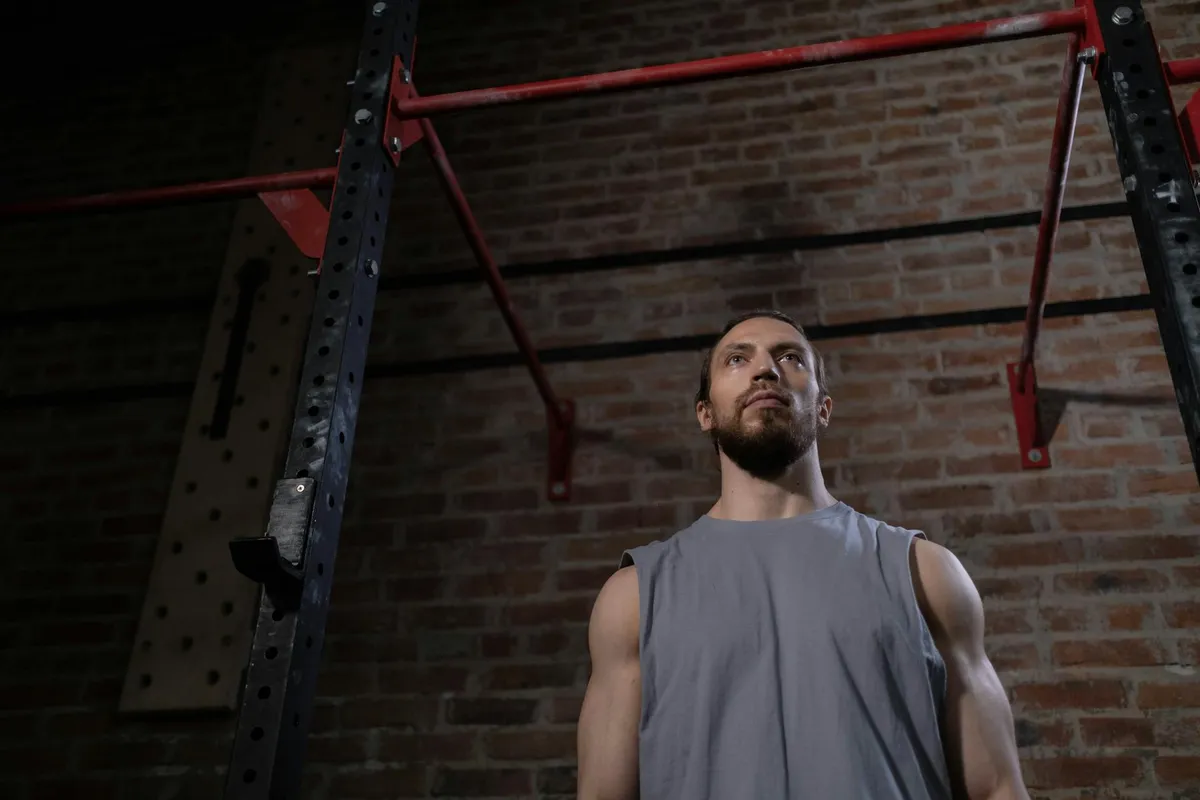
Low muscle mass describes a below-normal quantity of skeletal muscle tissue — the result of insufficient muscle development, excessive muscle loss, or both. It differs from acute muscle weakness (which may have normal mass but impaired function) in being a structural rather than functional finding. Causes include prolonged inactivity or bedrest, severe caloric restriction, protein malnutrition, hormonal deficiency (particularly testosterone, growth hormone, and oestrogen in their respective deficiency states), chronic illness with cachexia, and the progressive age-related sarcopenia beginning in the fourth decade. Low muscle mass reduces metabolic rate, increases fall and fracture risk, impairs glucose metabolism, and reduces resilience to illness and surgery. Resistance training and adequate protein are the cornerstones of prevention and treatment.
Could this be you
Low Muscle Mass shows up differently for everyone. Browse by how it tends to be felt — these are common experiences, not a checklist or a diagnosis.
Common experiences people describe — not a diagnostic checklist.
The Evidence
What the research says about low muscle mass, its risks, and the interventions with the strongest support.
Well-researched area with clear, actionable findings
Low muscle mass is a recognised health concern with robust evidence linking it to metabolic, functional, and injury risks. Resistance training and adequate protein intake are the most strongly supported interventions across age groups.
Sudden loss of mobility, inability to bear weight, joint swelling with redness or heat, or progressive weakness that worsens over days or weeks should not be self-managed. These may indicate conditions requiring prompt professional assessment. Symptoms following a fall or trauma also warrant timely evaluation.
Progressive resistance training is supported by very strong evidence across age groups and health conditions. Adequate protein intake — particularly distributed across meals — has strong evidence for supporting muscle synthesis. Creatine supplementation has moderate-to-strong evidence as an adjunct, especially in older adults. No single supplement replaces structured exercise.
Clinically, low muscle mass reflects reduced skeletal muscle tissue — not simply feeling weak. It is associated with reduced metabolic rate, impaired glucose regulation, increased fall and fracture risk, and poorer recovery from illness or surgery. Age-related muscle loss (sarcopenia) begins gradually from the fourth decade and accelerates without adequate activity and nutrition.
Resistance training two or more times per week is the most consistently supported approach. Protein intake of around 1.2–1.6g per kilogram of body weight daily is widely recommended, with some evidence for higher amounts in older adults. A qualified exercise professional or dietitian can help tailor a plan to individual circumstances, particularly where health conditions are present.
Muscle mass is not shaped by exercise and nutrition alone. Poor sleep impairs muscle protein synthesis and recovery. Chronic psychological stress elevates cortisol, which can accelerate muscle breakdown. Sedentary patterns across the day — even with regular exercise — contribute to loss over time. A holistic view considers movement, rest, nourishment, and stress as interconnected.
If muscle loss is rapid, unexplained, or accompanied by fatigue, weight loss, or other symptoms, professional assessment is appropriate — underlying hormonal, nutritional, or systemic causes may be contributing. Exercise physiologists, physiotherapists, and dietitians can provide structured, evidence-based support. This platform is educational and is not a substitute for professional assessment or personalised care.
References
Educational sources that inform this overview. Inclusion is for context and does not imply endorsement.
Full citations are maintained by the Gyfts editorial team and reviewed periodically.
Keep exploring
Browse practitioners, explore honest overviews, and take what you learn to a conversation — at your own pace.