What it is
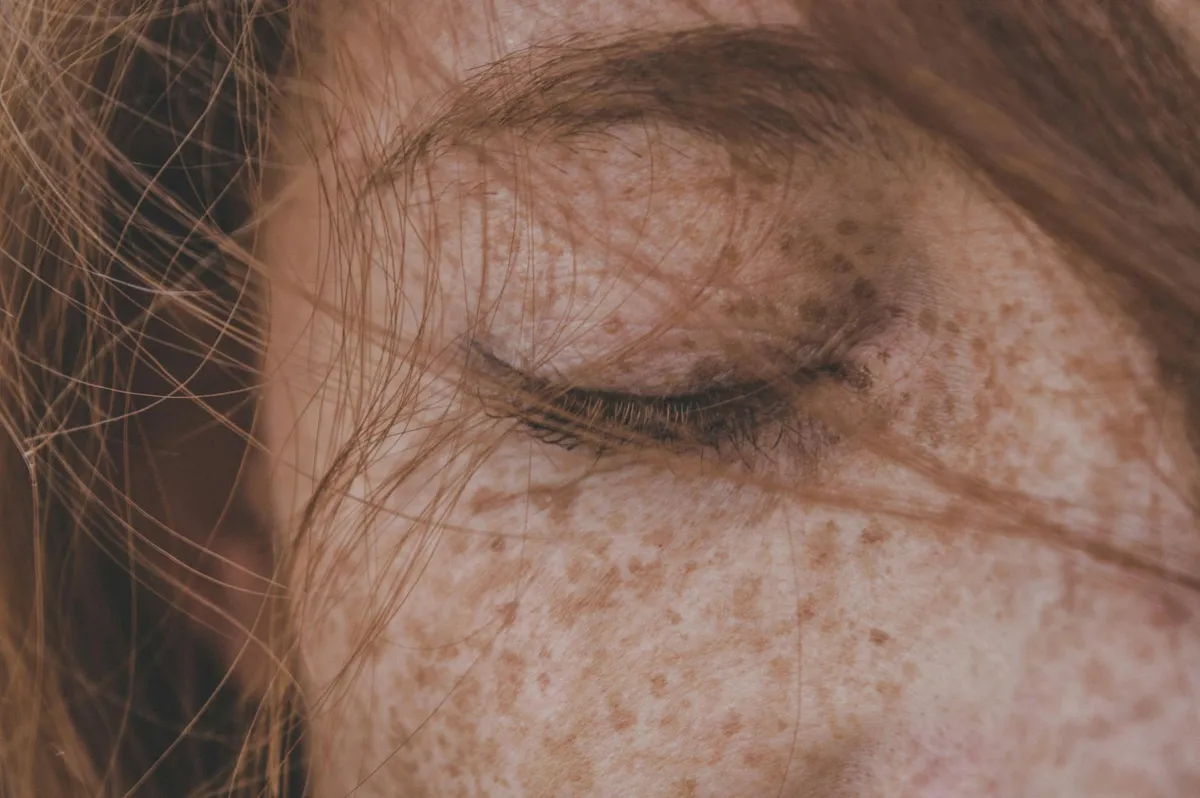
Patches of darker pigmentation on the skin surface, commonly appearing on the face, linked to hormonal changes, sun exposure, or post-inflammatory darkening.
Patches of darker pigmentation on the skin surface, commonly appearing on the face, linked to hormonal changes, sun exposure, or post-inflammatory darkening.
At a glance
What it is
Patches of darker pigmentation on the skin surface, commonly appearing on the face, linked to hormonal changes, sun exposure, or post-inflammatory darkening.
Commonly experienced as
Evidence context
Emerging evidenceSee the evidence snapshotContext
Melasma describes patches of brown or grey-brown pigmentation appearing symmetrically on sun-exposed skin — predominantly the face (cheeks, forehead, upper lip, and chin). It is significantly more common in women, particularly during pregnancy ('chloasma' or 'mask of pregnancy'), with hormonal contraceptive use, and in those with darker skin tones. The melanocytes (pigment-producing cells) in affected areas become hyperreactive to UV light, hormonal stimulation, and visible light, producing excess melanin. Triggers include sun exposure (which activates the pigmentation), pregnancy hormones, oestrogen-containing medications, and thyroid dysfunction. Strict sun protection is both the primary prevention and the most important treatment — without it, all other interventions produce incomplete or temporary results.
Could this be you
Melasma shows up differently for everyone. Browse by how it tends to be felt — these are common experiences, not a checklist or a diagnosis.
Common experiences people describe — not a diagnostic checklist.
The Evidence
What research says about melasma, its triggers, and the approaches with the strongest support for managing skin pigmentation.
Sun protection is the foundation; topical agents add meaningful benefit
Melasma is well understood in terms of triggers and skin biology. Several topical treatments have strong research support, but long-term management depends heavily on consistent sun protection — without it, other interventions produce limited or temporary results.
Seek prompt care if a skin lesion changes shape, colour, or size rapidly, or if a wound is not healing. A spreading rash accompanied by fever, or signs of skin infection such as increasing redness, warmth, swelling, or discharge, also warrant professional review without delay. Melasma itself is not dangerous, but these features are not typical of it.
Strict sun protection has very strong evidence as the cornerstone of management. Topical hydroquinone and triple-combination creams combining a retinoid, corticosteroid, and hydroquinone also have strong evidence. Chemical peels show moderate evidence. Importantly, without consistent sun protection, all other interventions tend to produce incomplete or short-lived results.
Melanocytes in affected skin become hyperreactive to UV light, visible light, and hormonal stimulation, producing excess melanin. It is significantly more common in women, particularly during pregnancy and with hormonal contraceptive use, and more prevalent in people with darker skin tones. Thyroid dysfunction has also been identified as a contributing factor in some cases.
A dermatologist or qualified skin health professional can assess melasma type and depth, which influences which approaches are most appropriate. Broad-spectrum SPF use daily is universally recommended. Topical agents, chemical peels, and other procedures may be considered depending on skin tone, severity, and individual circumstances. Self-managing without professional input may delay effective care.
Ingredients such as niacinamide, azelaic acid, kojic acid, and certain plant-derived extracts are used in complementary skin care for pigmentation. Evidence for these varies from limited to moderate. They are generally considered lower-risk options but are not substitutes for professional assessment when melasma is persistent, widespread, or affecting wellbeing. Inflated outcome claims in this space are common — approach them with caution.
If melasma is not responding to sun protection measures, is causing significant distress, or if you are unsure whether the pigmentation is melasma at all, a dermatologist or skin health professional can provide accurate assessment and a structured plan. Hormonal contributors such as contraceptive use or thyroid function may also be worth reviewing with a general practitioner.
References
Educational sources that inform this overview. Inclusion is for context and does not imply endorsement.
Full citations are maintained by the Gyfts editorial team and reviewed periodically.
Keep exploring
Browse practitioners, explore honest overviews, and take what you learn to a conversation — at your own pace.