What it is
Muscle tension is a widespread symptom driven by stress, posture, and overuse.
Sustained tightness, stiffness, or involuntary contraction of skeletal muscles, often associated with stress, poor posture, or overuse. A common physical manifestation of psychological tension and a frequent source of pain and reduced mobility.

At a glance
What it is
Muscle tension is a widespread symptom driven by stress, posture, and overuse.
Commonly experienced as
Evidence context
Emerging evidenceSee the evidence snapshotSafety
See staying safeContext
Understanding Muscle Tension
Muscle tension occurs when muscles remain partially contracted for extended periods, rather than fully relaxing between activities. This persistent state of contraction can affect any muscle group in the body, though it's commonly experienced in the neck, shoulders, back, and jaw.
How It Feels
People with muscle tension often describe feelings of tightness, stiffness, or aching in affected areas. The muscles may feel hard or knotted to the touch, and movement might be restricted or uncomfortable. Some experience a constant dull ache, while others notice sharp pain with certain movements.
Common Causes
Muscle tension can arise from various factors including stress and anxiety, poor posture, overuse from repetitive activities, lack of movement, dehydration, or underlying medical conditions. Physical trauma, emotional stress, and even sleep positions can contribute to persistent muscle tightness.
Impact on Daily Life
Chronic muscle tension can significantly affect quality of life, limiting mobility, disrupting sleep, and contributing to headaches or fatigue. It may interfere with work productivity, exercise ability, and overall comfort throughout the day.
Could this be you
Muscle tension shows up differently for everyone. Browse by how it tends to be felt — these are common experiences, not a checklist or a diagnosis.
Common experiences people describe — not a diagnostic checklist.
The Evidence
What research and clinical practice tell us about muscle tension, its causes, and approaches that may help.
Well-understood symptom with several supported approaches
Muscle tension is closely linked to stress physiology and postural factors, with moderate evidence supporting manual therapy, mind-body practices, and targeted movement. Red flags exist and should not be overlooked.
Neck stiffness combined with fever and headache warrants urgent medical review. Muscle tension accompanied by neurological symptoms such as limb weakness or bladder changes, severe spasm following trauma, or widespread new-onset tension with systemic symptoms should all be assessed by a qualified clinician promptly.
Manual therapies including physiotherapy, osteopathy, and massage have good evidence for tension reduction and pain relief. Mindfulness-based stress reduction shows benefit in chronic stress-related presentations. Magnesium supplementation shows modest benefit in some populations. Evidence quality varies across interventions.
The fight-or-flight response keeps muscles in a state of readiness, and chronic stress can sustain this beyond its useful purpose. Poor workstation ergonomics, repetitive movement, and inadequate rest compound the effect. Addressing contributing factors alongside physical symptoms tends to produce better outcomes.
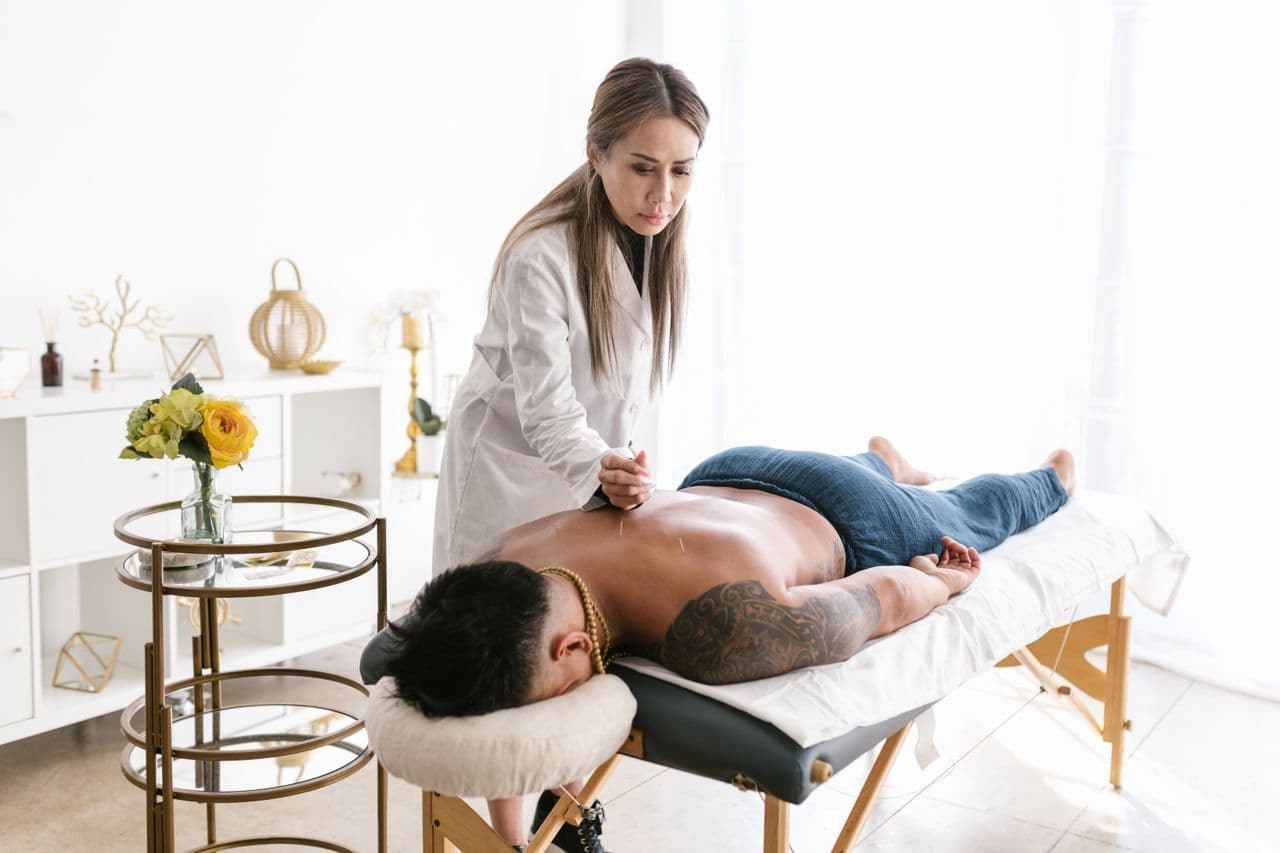
Traditional Chinese Medicine addresses muscle tension through acupuncture along sinew channels and manual therapies such as tuina and cupping. Ayurveda uses warm oil massage and marma point work for deep muscular release. These approaches reflect different frameworks from biomedical models; evidence for their mechanisms remains limited.
Deep tissue massage over areas of acute inflammation or nerve entrapment carries risk of aggravation and should be avoided without professional assessment. Aggressive stretching of hypermobile or injured muscles may worsen rather than relieve tension. Always inform your practitioner of any recent injury, known condition, or unusual symptoms.
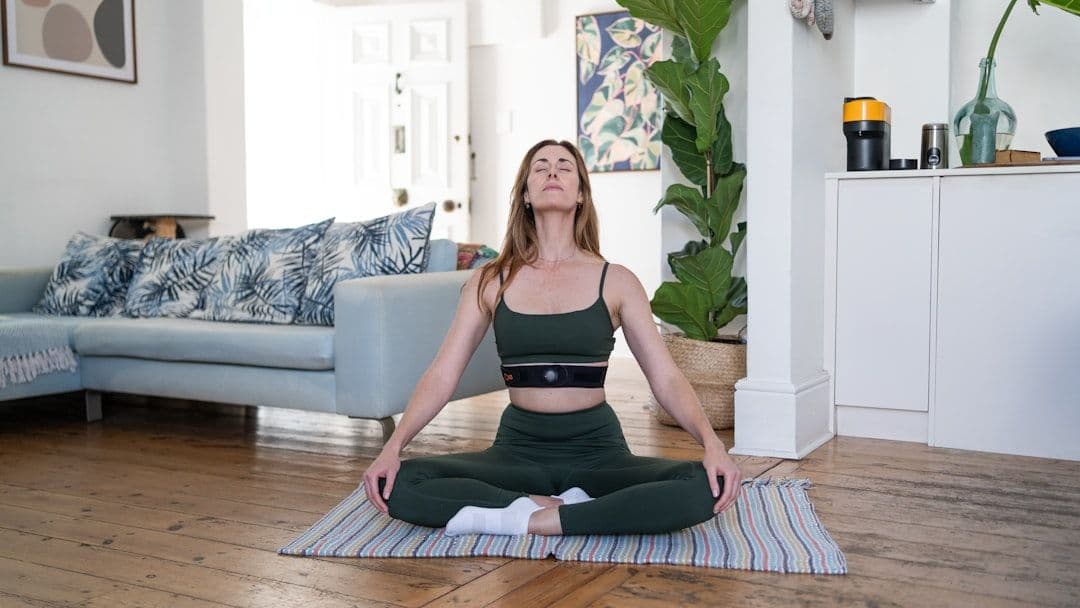
Physiotherapy, massage, and osteopathy are well-supported starting points. Mind-body practices such as MBSR, yoga, and progressive muscle relaxation address the stress component. Lifestyle factors including sleep, hydration, and movement habits are relevant. A qualified practitioner can help identify the most appropriate path for your situation.
Safety first
General, informational guidance — not diagnostic. A qualified practitioner can advise on your own situation.
Top Practitioners
Practitioners are ranked using relevance, experience signals, reviews, and support-area fit.
References
Educational sources that inform this overview. Inclusion is for context and does not imply endorsement.
Full citations are maintained by the Gyfts editorial team and reviewed periodically.
Keep exploring
Browse practitioners, explore honest overviews, and take what you learn to a conversation — at your own pace.