What it is
Profound sadness describes an intense, pervasive sorrow that goes beyond ordinary unhappiness — often associated with grief, loss, or major depressive disorder.
An intense, pervasive sense of sorrow and heartache — beyond ordinary sadness — often associated with loss, grief, or major depressive disorder.
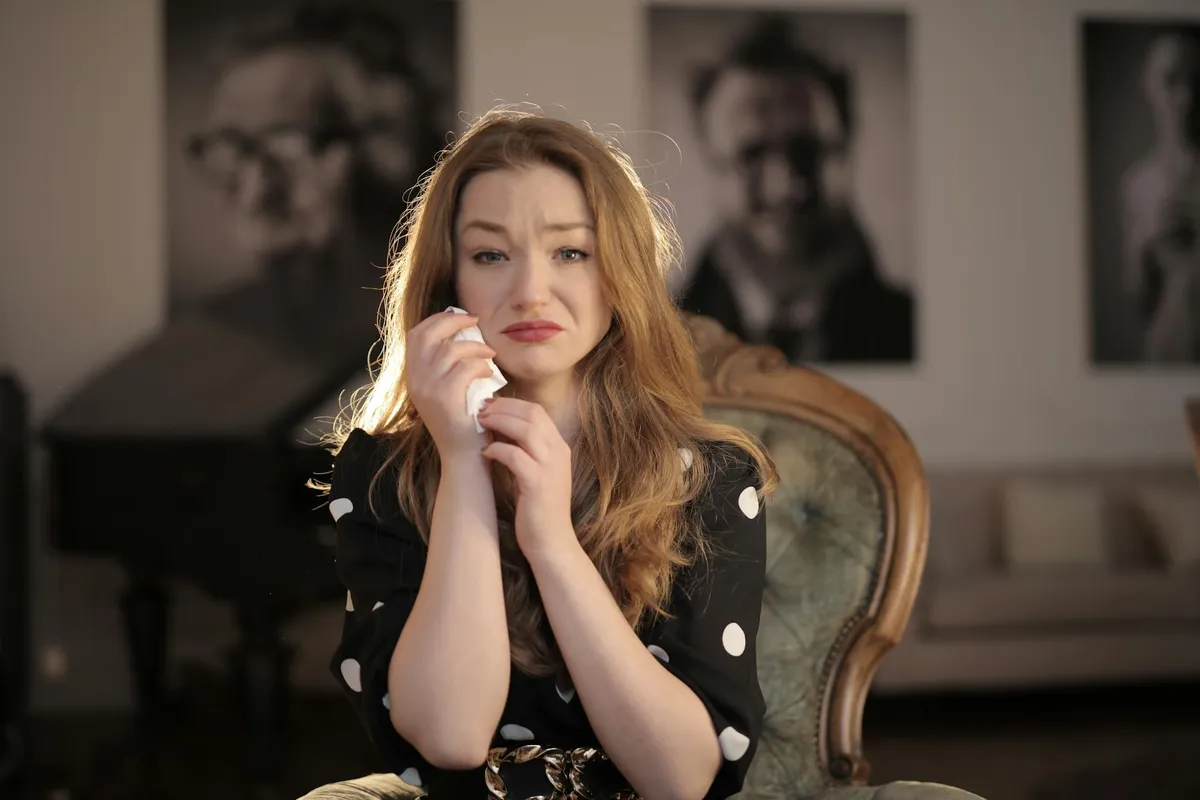
At a glance
What it is
Profound sadness describes an intense, pervasive sorrow that goes beyond ordinary unhappiness — often associated with grief, loss, or major depressive disorder.
Commonly experienced as
Evidence context
Research-supportedSee the evidence snapshotSafety
See staying safeContext
Profound sadness describes an emotional state of deep, heavy sorrow that is qualitatively different from everyday disappointment or low mood. It may arise as a natural response to significant loss (bereavement, relationship endings, health loss), or as a core symptom of major depressive disorder — where it is typically accompanied by anhedonia, worthlessness, cognitive slowing, and somatic symptoms. Profound sadness in grief is a healthy, necessary human process; when it persists beyond expected timeframes or is accompanied by functional collapse, hopelessness, or suicidal ideation, clinical assessment is warranted. The distinction between grief (loss-focused, with waves of sadness interspersed with normal functioning) and depression (pervasive, associated with global negative self-appraisal and loss of pleasure) is clinically important but sometimes difficult to draw.
Could this be you
Profound Sadness shows up differently for everyone. Browse by how it tends to be felt — these are common experiences, not a checklist or a diagnosis.
Common experiences people describe — not a diagnostic checklist.
The Evidence
What research and clinical practice say about profound sadness — and when to seek support.
Well-researched, with clear clinical and grief pathways
Profound sadness is a core feature of major depressive disorder and a natural part of grief — both with strong evidence for effective support. Distinguishing between the two shapes which approaches are most appropriate.
Profound sadness accompanied by suicidal thoughts or planning requires immediate crisis support. Persistent sadness with complete functional collapse, self-neglect, or inability to care for dependants also warrants urgent assessment. Sadness with no apparent cause should be evaluated by a qualified clinician — it may indicate clinical depression rather than grief.
Major depressive disorder responds well to antidepressants (SSRIs, SNRIs) and psychological therapies including CBT and interpersonal therapy. Grief-focused CBT and supportive counselling are appropriate for bereavement. Prolonged grief disorder has a specific evidence-based treatment (complicated grief treatment). Exercise and social support also have meaningful roles in reducing severity.
Grief is typically loss-focused, arrives in waves, and allows periods of normal functioning. Depression tends to be pervasive, involves global negative self-appraisal, and includes loss of pleasure across all areas of life. The boundary is not always clear, and a qualified clinician can help assess which is present and what support is most appropriate.
Holistic and somatic approaches frame deep grief as a natural process requiring witnessing and expression rather than elimination. Body-based practices — movement, breathwork, and sound — are widely used to support emotional processing. Herbal approaches such as saffron and ashwagandha have some supporting evidence for low-to-moderate mood; evidence for grief-specific use remains limited.
Across cultures, grief has been held within community ritual — from indigenous mourning ceremonies to Jewish shiva to Sufi lamentation practices. These frameworks offer structured, communally supported pathways through loss. Engaging with culturally resonant practices can complement other forms of support, though they are not a substitute for professional assessment when clinical concerns are present.
A GP or mental health clinician is the appropriate starting point when sadness is persistent, severe, or functionally disabling. Grief counsellors and bereavement-trained therapists are well-suited for loss-related sadness. Complementary and holistic practitioners may offer valuable support alongside — but not instead of — professional care where clinical concerns exist.
Safety first
General, informational guidance — not diagnostic. A qualified practitioner can advise on your own situation.
References
Educational sources that inform this overview. Inclusion is for context and does not imply endorsement.
Full citations are maintained by the Gyfts editorial team and reviewed periodically.
Keep exploring
Browse practitioners, explore honest overviews, and take what you learn to a conversation — at your own pace.