What it is
Rash encompasses diverse skin changes in colour or texture from infection, allergy, autoimmune, or systemic causes.
Any visible change in skin appearance including colour, texture, or surface, arising from a wide range of dermatological, allergic, infectious, or systemic causes.
At a glance
What it is
Rash encompasses diverse skin changes in colour or texture from infection, allergy, autoimmune, or systemic causes.
Commonly experienced as
Evidence context
Research-supportedSee the evidence snapshotSafety
See staying safeContext
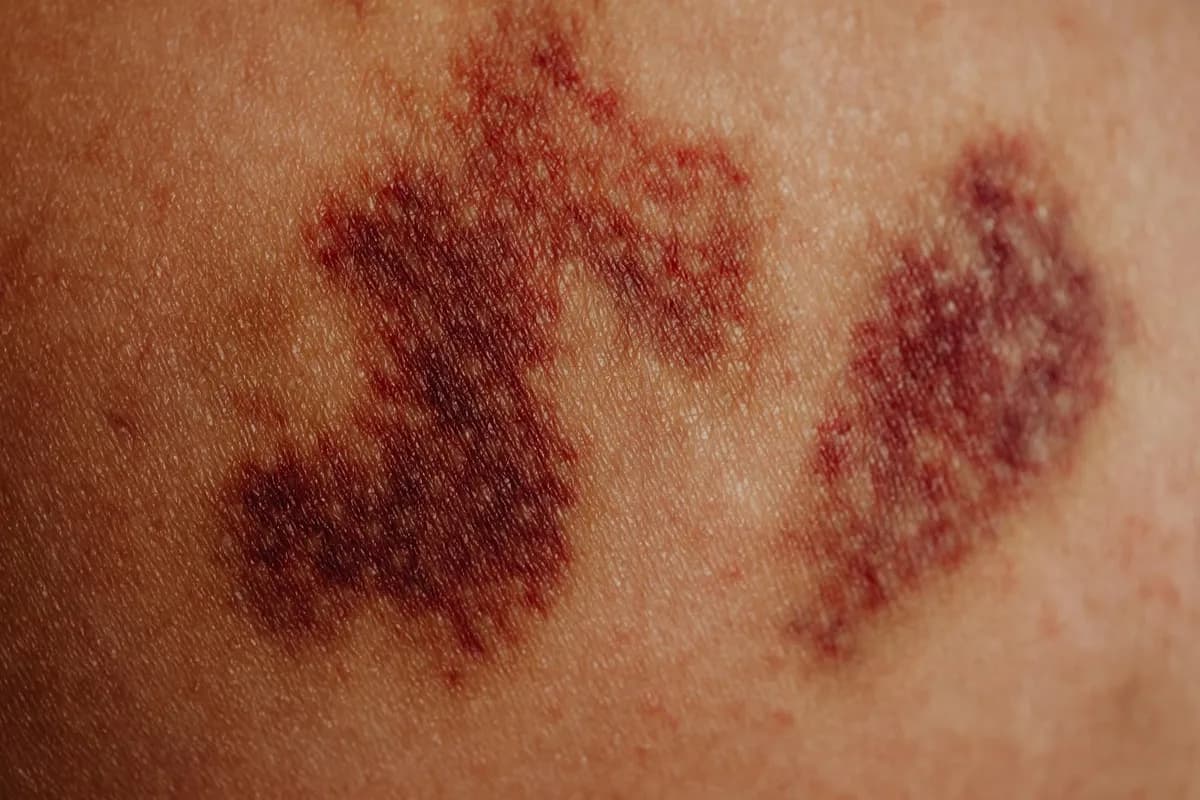
A rash describes any visible alteration in the skin's colour, texture, or surface that differs from the surrounding skin. It is a non-specific presenting symptom encompassing an extraordinarily broad differential: contact dermatitis (allergic or irritant), eczema/atopic dermatitis, psoriasis, viral exanthems (measles, varicella, rubella, roseola, COVID-related), bacterial infection, fungal infection (ringworm, pityriasis), drug reactions (maculopapular, urticarial, fixed drug eruption), autoimmune conditions (lupus butterfly rash, dermatomyositis, vasculitis), and systemic illness (Lyme disease, sarcoidosis, Kawasaki disease in children). Morphology (macule, papule, vesicle, pustule, plaque, wheal), distribution, borders, symmetry, associated symptoms (fever, itch, joint pain, systemic illness), and temporal course are the key clinical discriminators. Self-limiting viral rashes in otherwise well individuals rarely require intervention; systemic context always requires consideration.
Could this be you
Rash shows up differently for everyone. Browse by how it tends to be felt — these are common experiences, not a checklist or a diagnosis.
Common experiences people describe — not a diagnostic checklist.
Explore next
The Evidence
Rashes span hundreds of causes. Evidence quality varies by condition — some have strong clinical backing, others limited data. Context always matters.
A broad symptom with a wide-ranging evidence base
Rash is a non-specific symptom covering many conditions, each with its own evidence landscape. Some causes — eczema, fungal infection, psoriasis — have well-established conventional and complementary options; others require urgent professional assessment before any approach is considered.
A non-blanching purpuric rash may indicate meningococcal septicaemia — call emergency services immediately. Widespread blistering or skin detachment requires urgent assessment. A butterfly-shaped facial rash with fever and joint pain, or any rash with high fever in an unwell child, warrants prompt professional evaluation. Do not delay seeking care in these situations.
Topical corticosteroids and emollients have strong evidence for eczema. Antifungals are well-established for fungal rashes; patch testing is the gold standard for identifying allergic contact dermatitis. For inflammatory skin conditions, omega-3 fatty acids, vitamin D, and probiotics show moderate supporting evidence. Stress management interventions show benefit where stress is a contributing factor.
Topical corticosteroids applied to infected or fungal rashes can cause significant worsening and should be avoided without professional guidance. Strong essential oils or herbal preparations should not be applied to broken or acutely inflamed skin. Identifying the underlying cause before selecting any approach is important — self-management is appropriate for some rashes and inappropriate for others.
Clinicians assess rash type (macule, papule, vesicle, plaque), distribution, borders, and symmetry alongside associated features such as fever, itch, or joint pain. Temporal course — how quickly it appeared and how it is evolving — also guides assessment. A self-limiting viral rash in an otherwise well person differs substantially from a rash occurring alongside systemic illness.
Traditional Chinese Medicine categorises rashes by pattern — Heat in the Blood, Wind-Damp, or Spleen Dampness — with herbal formulas selected accordingly. Ayurveda relates most skin eruptions to Pitta imbalance and Blood toxicity, using cooling herbs such as neem, turmeric, and manjistha. These frameworks reflect long-standing cultural approaches; evidence for specific formulas varies and professional guidance is advisable.
A qualified practitioner — GP, dermatologist, or relevant specialist — can identify the underlying cause and guide appropriate management. This is especially important for persistent, spreading, or recurring rashes, rashes with systemic symptoms, or any situation where the cause is uncertain. Complementary or holistic approaches are best considered alongside, not instead of, professional assessment where needed.
Safety first
General, informational guidance — not diagnostic. A qualified practitioner can advise on your own situation.
Top Practitioners
Practitioners are ranked using relevance, experience signals, reviews, and support-area fit.
References
Educational sources that inform this overview. Inclusion is for context and does not imply endorsement.
Full citations are maintained by the Gyfts editorial team and reviewed periodically.
Keep exploring
Browse practitioners, explore honest overviews, and take what you learn to a conversation — at your own pace.