What it is
A decrease in the ease, range, or quality of movement — impairing functional activities and physical independence.
A decrease in the ease, range, or quality of movement — impairing functional activities and physical independence.
At a glance
What it is
A decrease in the ease, range, or quality of movement — impairing functional activities and physical independence.
Commonly experienced as
Evidence context
Research-supportedSee the evidence snapshotContext
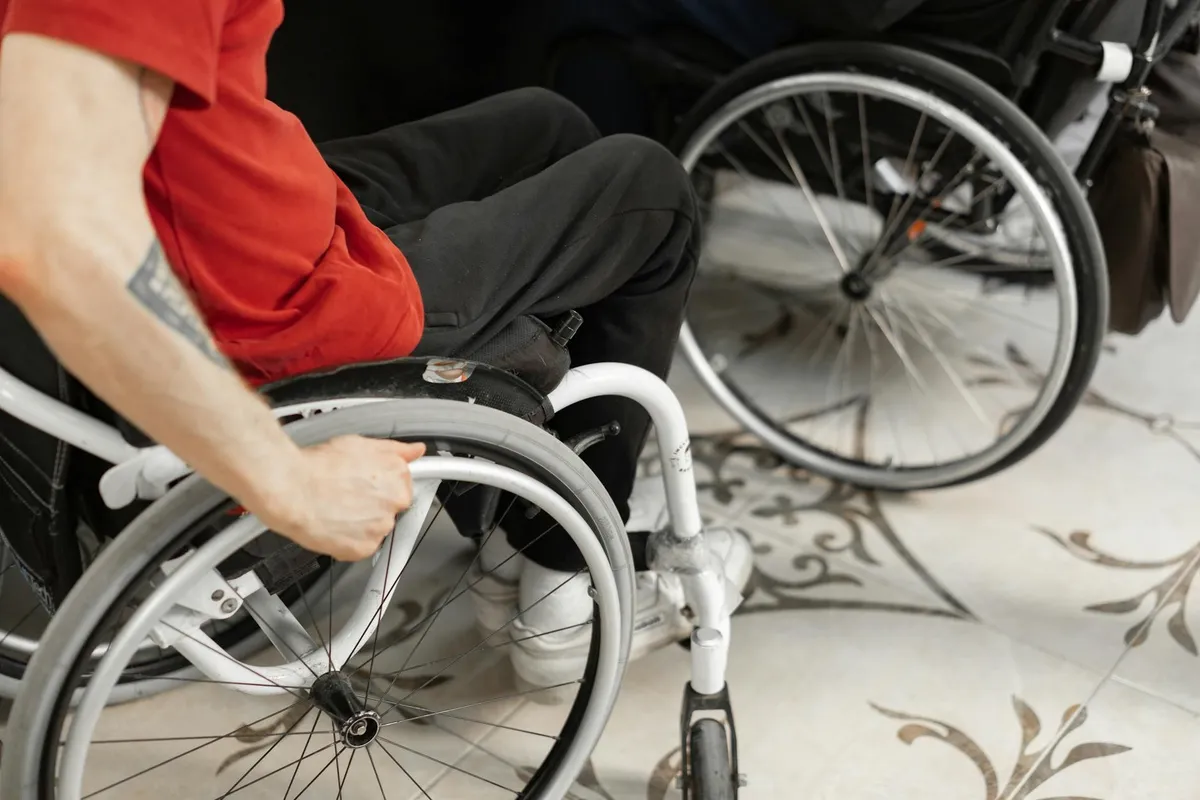
Reduced mobility describes any decline in the capacity to move freely, comfortably, and through a normal range — encompassing joint mobility restriction, reduced walking ability, postural limitations, and decreased overall physical capacity. It is one of the most impactful functional changes across ageing and chronic illness. Contributors include musculoskeletal conditions (arthritis, chronic pain), neurological conditions (Parkinson's, stroke sequelae), cardiovascular deconditioning (reduced exercise tolerance), obesity, and the inactivity-deconditioning spiral where reduced movement produces further capacity loss. Reduced mobility compounds over time — each reduction in activity lowers the threshold for the next limitation. Early, sustained movement intervention is significantly more effective than rehabilitation after significant functional decline.
Could this be you
Reduced Mobility shows up differently for everyone. Browse by how it tends to be felt — these are common experiences, not a checklist or a diagnosis.
Common experiences people describe — not a diagnostic checklist.
The Evidence
What research and clinical practice tell us about reduced mobility — and why early action matters.
Movement intervention is most effective before significant decline sets in
Reduced mobility is one of the most studied functional health concerns, with strong evidence supporting exercise, physiotherapy, and occupational therapy. The earlier movement is prioritised, the better the outcomes — decline compounds over time.
Sudden loss of mobility, inability to bear weight, joint swelling with redness and heat, or symptoms following a fall or trauma all warrant prompt professional assessment. Progressive weakness or rapidly worsening function should not be self-managed. These presentations may indicate conditions requiring timely intervention beyond general wellness support.
Structured exercise — including strength, flexibility, and aerobic training — has robust evidence for preserving and improving mobility across age groups and conditions. Physiotherapy has strong evidence for targeted rehabilitation. Occupational therapy has strong evidence for supporting functional independence. These are among the best-supported interventions in musculoskeletal and ageing health.
Mobility decline tends to compound: inactivity reduces strength and cardiovascular fitness, which lowers the threshold for further limitation. Contributors include arthritis, chronic pain, neurological conditions, cardiovascular deconditioning, and obesity. Addressing mobility early — before significant functional decline — produces substantially better outcomes than later rehabilitation.
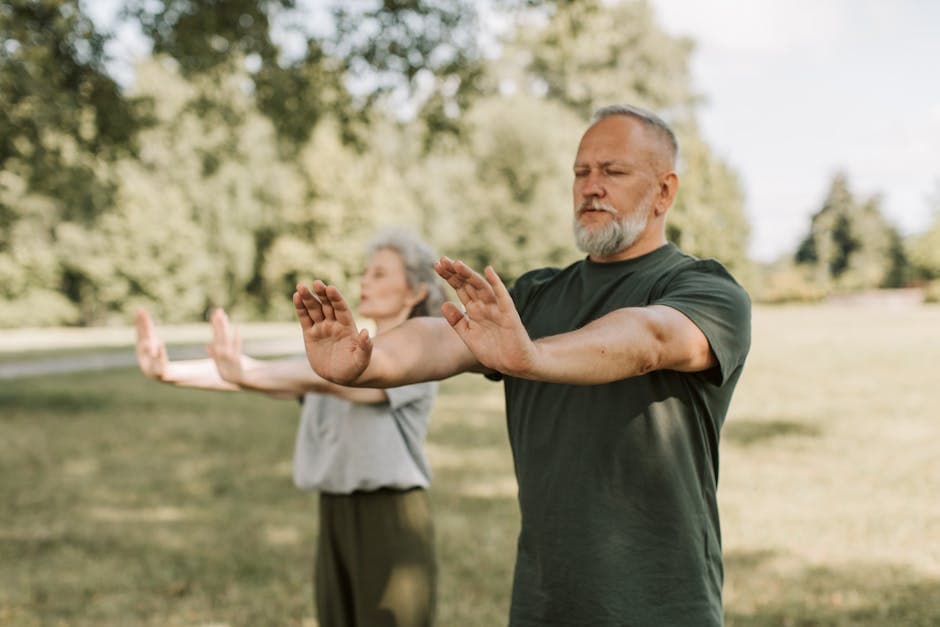
Complementary and holistic approaches — including yoga, tai chi, hydrotherapy, and massage — have emerging to moderate evidence for supporting mobility, flexibility, and pain management. These are best used alongside, not instead of, evidence-based care. A qualified practitioner can help identify which approaches suit your specific situation and health history.
Physiotherapists and exercise physiologists are primary points of contact for mobility assessment and rehabilitation. Occupational therapists specialise in maintaining functional independence. For underlying conditions driving mobility loss, a GP or specialist referral is appropriate. Complementary practitioners may offer supportive value but are not a substitute for professional assessment of new or worsening symptoms.
Content on this platform is educational and does not constitute professional assessment, personalised advice, or a care plan. Reduced mobility has many possible contributors, and understanding your specific situation requires qualified evaluation. Use this information to inform conversations with practitioners, not to replace them.
References
Educational sources that inform this overview. Inclusion is for context and does not imply endorsement.
Full citations are maintained by the Gyfts editorial team and reviewed periodically.
Keep exploring
Browse practitioners, explore honest overviews, and take what you learn to a conversation — at your own pace.