What it is
A sensation of breathlessness or difficulty breathing at rest, which is always significant and requires prompt assessment to identify the underlying cause.
A sensation of breathlessness or difficulty breathing at rest, which is always significant and requires prompt assessment to identify the underlying cause.
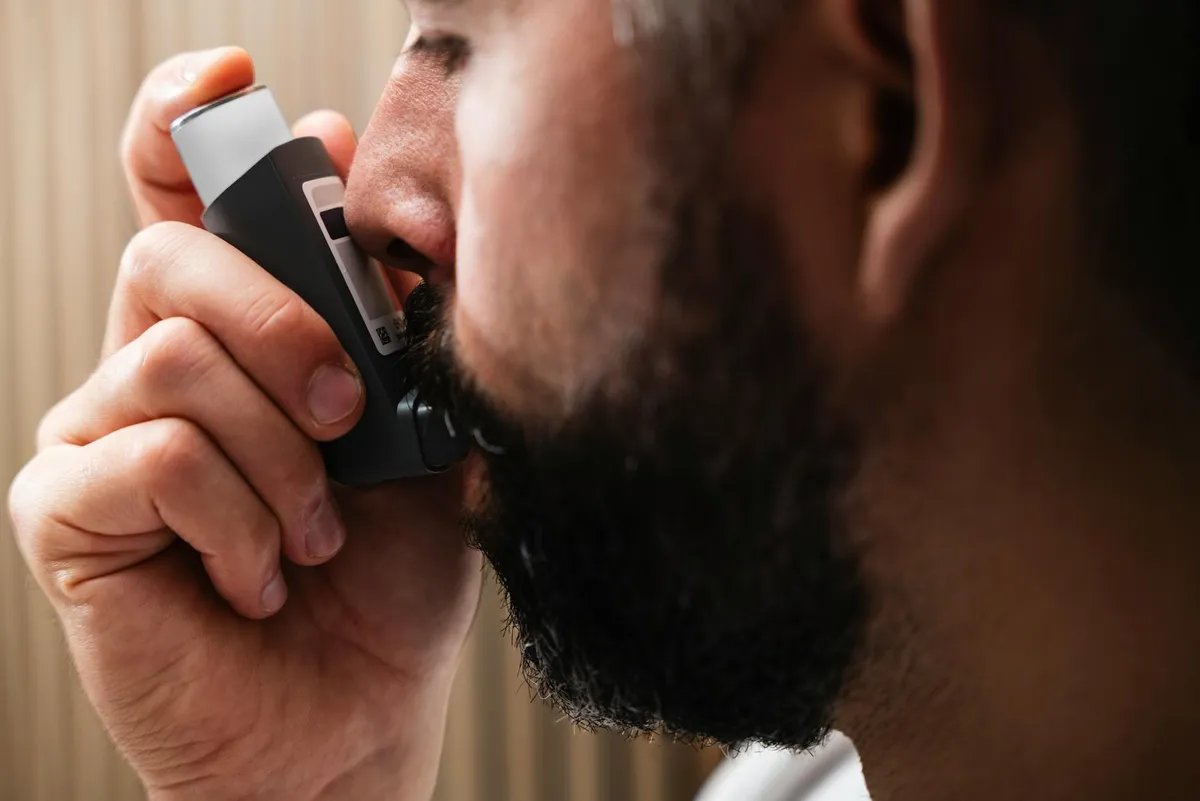
At a glance
What it is
A sensation of breathlessness or difficulty breathing at rest, which is always significant and requires prompt assessment to identify the underlying cause.
Commonly experienced as
Evidence context
Experiential supportSee the evidence snapshotContext
Shortness of breath at rest (dyspnoea at rest) means experiencing difficulty breathing without the provocation of physical activity — sitting quietly, lying down, or engaging in minimal movement. Unlike breathlessness triggered by exercise (which has a broader range of benign causes), breathlessness at rest is a more significant symptom that warrants timely medical evaluation. It can arise from cardiac causes (heart failure, arrhythmia, pericarditis), pulmonary causes (asthma, COPD, pulmonary embolism, pneumonia, pleural effusion), anaemia, metabolic acidosis, panic disorder, and, less commonly, neuromuscular conditions affecting the respiratory muscles. Anxiety-related hyperventilation can produce resting breathlessness that feels severe but resolves with breathing regulation techniques. Holistic practitioners never dismiss resting breathlessness as anxiety without appropriate medical exclusion of physical causes first.
Could this be you
Shortness of Breath shows up differently for everyone. Browse by how it tends to be felt — these are common experiences, not a checklist or a diagnosis.
Common experiences people describe — not a diagnostic checklist.
Explore next
The Evidence
What research and clinical practice say about shortness of breath at rest, and when to seek help without delay.
Resting breathlessness always warrants timely assessment
Shortness of breath at rest has many possible causes, from cardiac and pulmonary conditions to anxiety and anaemia. Identifying the underlying cause is the essential first step — some causes are time-sensitive and require urgent professional evaluation.
Seek emergency care immediately for severe or sudden breathlessness, coughing blood, chest pain with difficulty breathing, or wheezing that does not respond to usual treatment. Resting breathlessness should never be assumed to be benign without professional assessment. Do not delay seeking help while exploring complementary options.
A qualified health professional should assess resting breathlessness to identify or rule out cardiac, pulmonary, haematological, or metabolic causes. This is not a symptom to self-manage without guidance. Complementary and holistic approaches may support wellbeing alongside care, but are not a substitute for professional assessment.
Breathing retraining has strong evidence for anxiety-related and dysfunctional breathing patterns. Pulmonary rehabilitation has strong evidence for COPD-related breathlessness. Oxygen therapy is well-supported where confirmed low oxygen levels are present. Acupuncture has moderate evidence as an adjunct for breathlessness in COPD and cancer-related contexts.
Acupuncture and breathing pattern retraining — including physiotherapy-led approaches and methods such as Buteyko — have moderate evidence for functional and COPD-related breathlessness. These are adjunct options, not standalone interventions. Always inform your treating practitioner about any complementary approaches you are using.
Depending on the cause, care may involve medical management, pulmonary rehabilitation, physiotherapy, psychological support for anxiety-related patterns, and lifestyle factors such as physical conditioning and smoking cessation. Holistic practitioners can contribute to wellbeing and self-management skills within a coordinated care plan.
Evidence for many complementary approaches to breathlessness remains limited or condition-specific. Approaches that help with anxiety-related breathlessness may not be appropriate for cardiac or pulmonary causes. Be cautious of inflated outcome claims from any practitioner or product. The cause of resting breathlessness must be established by a qualified professional.
Top Practitioners
Practitioners are ranked using relevance, experience signals, reviews, and support-area fit.
Read next
References
Educational sources that inform this overview. Inclusion is for context and does not imply endorsement.
Full citations are maintained by the Gyfts editorial team and reviewed periodically.
Keep exploring
Browse practitioners, explore honest overviews, and take what you learn to a conversation — at your own pace.