Before the Session: What to Expect
The decision to transition to a plant-based diet often feels significant—a threshold moment where you're stepping toward something you hope will make you feel better, perhaps because you've been experiencing signs that your body is asking for change. Maybe you've felt heaviness after meals, noticed your energy dip in the afternoon, or received news from your doctor that your cholesterol or blood sugar levels need attention. Whatever prompted you, know that this journey begins not with restriction or deprivation, but with curiosity and preparation.
Before you begin, take time to assess your starting point honestly. What are you eating now? How do you feel—in your body, your energy, your digestion? If you have a diagnosed condition like diabetes, hypertension, or heart disease, this is the moment to have a conversation with your doctor and ideally a registered dietitian. They'll help you understand how dietary changes might affect your medications and health markers. This isn't about jumping into perfection; it's about creating a realistic plan that fits your life, your tastes, and your schedule.
The anticipation you might feel is natural. You may have read success stories or heard friends describe newfound energy, clearer thinking, or better sleep. Remember that your experience will be uniquely yours. Some changes arrive quickly; others unfold slowly. Some will feel easy; others will require adjustment. What matters is showing up with intention and self-compassion, knowing that every choice to include more whole plants is a step forward, regardless of whether you're going fully plant-based or predominantly.
Arriving and Setting the Scene
Beginning a plant-based diet isn't a single appointment or session—it's a gradual immersion into a new way of nourishing yourself. The "arrival" is often quieter than expected: a moment in your kitchen or grocery store where you pause and decide to try something different. Perhaps it's choosing to make a vegetable-based curry instead of the usual chicken version, or swapping your regular breakfast for a bowl of oats with berries and plant milk.
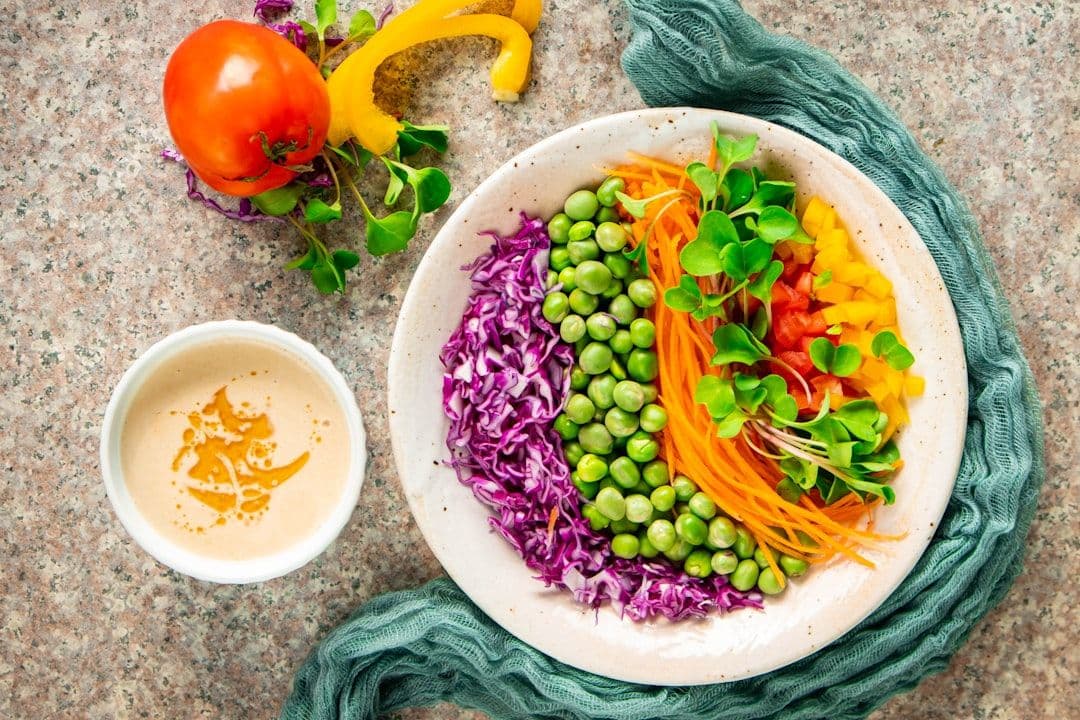
What helps this transition feel grounded rather than chaotic is creating supportive conditions. Stock your kitchen with whole plant foods that genuinely appeal to you—colorful vegetables, hearty grains like quinoa and brown rice, canned beans and lentils, nuts and seeds, plant milks, and dried herbs. Explore recipes or cookbooks that excite you, not ones that feel like punishment. Watch how a bell pepper transitions from crunchy to soft when roasted, or how chickpeas become creamy when blended. This sensory engagement—noticing textures, flavors, and aromas—anchors the experience in pleasure rather than obligation.
You might also notice the environmental shift within yourself: a growing awareness of what you're putting on your plate and why. Perhaps you feel a quiet sense of alignment as your choices begin to reflect your values. This psychological dimension—feeling like you're actively participating in your own healing rather than passively receiving treatment—is profound and often underestimated. Many people describe a gentle sense of agency and hope as they set this foundation.
During the Session
The "during" phase—your first weeks and months living plant-based—is where the real conversation between your body and your food unfolds. What happens varies widely, and that variation is completely normal.
In the first two to four weeks, expect your digestion to be more vocal than usual. You may experience bloating, gas, or looser stools as your gut microbiome—the community of bacteria in your digestive tract—adapts to the increased fiber and new plant foods. This isn't failure; it's your body actively reorganizing to process whole foods more efficiently. Drinking plenty of water, eating slowly, and chewing thoroughly help. If you've previously eaten a low-fiber diet, introducing fiber gradually rather than all at once makes the transition gentler. Many people find that cooked vegetables, well-cooked grains, and soaked legumes are easier to tolerate initially than raw salads and whole seeds.
Energy is another frontier where change often appears. Some people report a notable dip in the first week or two—fatigue, fogginess, or a sense of depletion. This can stem from inadequate calorie intake (plant foods are less calorically dense, so you need to eat slightly larger portions), insufficient protein or fat, or a temporary adjustment phase. Conversely, others feel a swift lift in energy, mental clarity, and improved sleep within days. These responses depend on your starting diet, individual metabolism, nutrient status, and how consciously you're planning meals.
Noticeably, many people describe changes in how food tastes. As your palate adjusts, processed and heavily salted foods begin to taste too sharp. Fresh vegetables, once bland, reveal delicate sweetness and complexity. This sensory recalibration can feel like rediscovering pleasure in food.
From a physiological perspective, measurable changes often emerge within weeks. Blood pressure may drop noticeably. Weight typically begins to shift as you shift toward lower-calorie-density whole foods and away from processed options. If you're managing blood sugar, you may notice steadier energy throughout the day and fewer spikes after meals. These wins—a reading from your doctor, how your clothes fit, or simply how you feel climbing stairs—reinforce your commitment and reveal that something real is happening inside your body. Meanwhile, cholesterol improvements and deeper metabolic shifts often take 8–12 weeks to fully manifest and require blood work to confirm.
How You May Feel Afterwards
"Afterwards"—meaning after several weeks to a few months of consistent plant-based eating—is where many people report a settling into a new baseline that feels notably different from before.
Physically, the sensations people most commonly describe are lightness and ease. Heaviness after meals lifts. Digestion, once it settles, often feels smoother and more efficient. Sleep may deepen. Afternoon energy crashes may disappear as blood sugar stabilizes. If you've been managing joint pain or inflammation, progressive improvements often unfold over weeks, with less morning stiffness and easier movement. For those with cardiovascular concerns, the reduction in shortness of breath or chest discomfort can be profoundly reassuring.
Mentally and emotionally, many people describe a shift toward greater clarity and emotional steadiness. Some attribute this to improved blood sugar and nutrient absorption; others credit the psychological benefit of actively participating in their own healing. You may notice improved mood, sharper focus, and a diminished sense of urgency or anxiety around food and health. There's often a quiet pride in the realization that you've followed through on something meaningful for yourself.
Socially, this phase often involves recalibration. Eating out requires navigation—finding restaurants with plant-forward options, communicating your preferences clearly, or deciding when it's worth the effort and when to order something else. Family or friend gatherings may involve gentle education or mild friction if your choices aren't immediately understood. The people who love you, though, often become curious and supportive. You may find yourself becoming a resource for others interested in plant-based eating, sharing recipes and insights that matter to you.
One important note: if you have a diagnosed health condition—diabetes, hypertension, heart disease—the period after dietary change often requires medical follow-up. Your doctor may notice improvements in your health markers and may suggest adjusting medication doses. This adjustment is a positive sign of change, not a reason to alter your diet. Always work collaboratively with your healthcare team during this phase.
Ultimately, how you feel afterwards reflects not just the diet itself but your commitment to it, the quality of foods you choose, and your willingness to nourish your body with intention. The goal isn't perfection but rather a sustainable, joyful relationship with food that supports your health.
Is It Right for You?
A plant-based diet can be powerfully supportive for many people, but it isn't universally appropriate or necessary for everyone. Determining whether it's right for you requires honest self-reflection and professional guidance.
If you have been diagnosed with or are at risk for heart disease, high cholesterol, type 2 diabetes, hypertension, or obesity, strong evidence suggests that a plant-based diet used alongside medical care may support improvements in these conditions. If you feel drawn to plant-based eating for environmental, ethical, or personal wellness reasons, and you're willing to learn about nutrient adequacy, this path is accessible. If you enjoy cooking and exploring new foods, the culinary dimension of plant-based eating can be genuinely pleasurable.
However, if you have a history of disordered eating, the restrictive language sometimes associated with plant-based diets may trigger unhelpful patterns. If you have severe digestive disorders, malabsorption issues, or certain health conditions, a plant-based diet may require significant medical oversight and personalization—it's not a simple choice but a careful negotiation with a qualified healthcare team. If you're pregnant, nursing, or caring for young children, plant-based eating is feasible but requires extra nutritional attention, particularly regarding B12, iron, omega-3s, and protein. If you have little interest in cooking and strong food preferences, a plant-based diet may feel tedious unless you find convenient, palatable options.
The truth is, plant-based eating exists on a spectrum. You don't have to be 100% plant-based to benefit. Research shows that predominantly plant-based diets—80–90% of calories from whole plant sources—provide significant health benefits. You might choose to eat plant-based most of the time and include small amounts of animal foods occasionally, or you might go fully plant-based. The specific approach matters less than finding one you can sustain and genuinely enjoy.
Before starting, especially if you have a medical condition or take medications, consult your doctor and ideally a registered dietitian. They can assess your individual needs, help you plan nutritionally adequate meals, and monitor health markers as you transition. This professional support transforms plant-based eating from a solo experiment into a collaborative journey, making it safer, more effective, and ultimately more sustainable. Your healthcare team becomes your partner in supporting your health through food—and that partnership is invaluable.