What it is
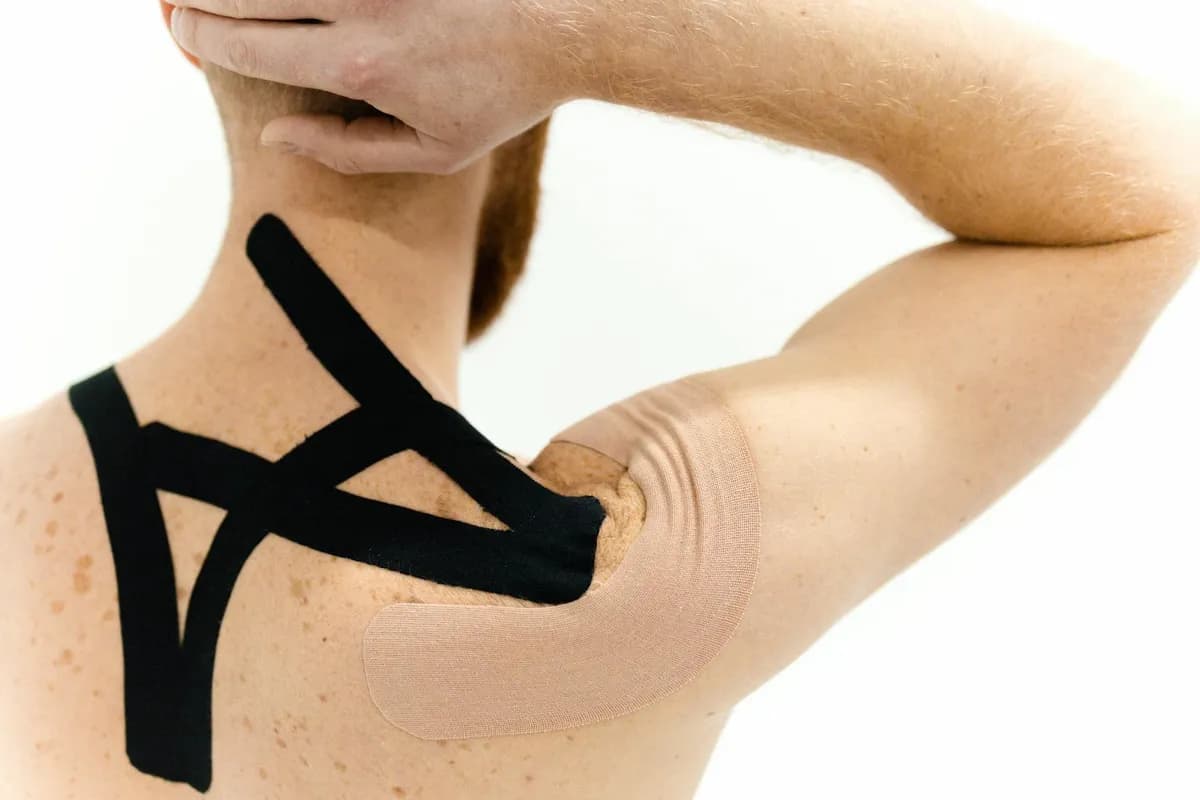
Shoulder pain is pain localised to or radiating from the shoulder complex, encompassing multiple potential aetiologies including rotator cuff pathology, glenohumeral instability, and referred cervical pain.
Pain in or around the shoulder joint, which may arise from local structures, the cervical spine, or be referred from internal organs.
At a glance
What it is
Shoulder pain is pain localised to or radiating from the shoulder complex, encompassing multiple potential aetiologies including rotator cuff pathology, glenohumeral instability, and referred cervical pain.
Commonly experienced as
Evidence context
Research-supportedSee the evidence snapshotSafety
See staying safeContext
Shoulder pain is among the three most prevalent musculoskeletal complaints in primary care. The shoulder complex — comprising the glenohumeral, acromioclavicular, and sternoclavicular joints plus the scapulothoracic articulation — is susceptible to a wide range of pathologies. Common causes include rotator cuff tendinopathy or tear, impingement syndrome, frozen shoulder (adhesive capsulitis), glenohumeral osteoarthritis, labral tears, and acromioclavicular joint dysfunction. Referred pain from the cervical spine, diaphragm, or cardiac structures (left shoulder in angina/MI) must be considered. Occupational overuse, overhead activity, trauma, and age-related degeneration are primary risk factors. Assessment should include movement testing, neurological screening, and consideration of non-musculoskeletal causes.
Could this be you
Shoulder Pain shows up differently for everyone. Browse by how it tends to be felt — these are common experiences, not a checklist or a diagnosis.
Common experiences people describe — not a diagnostic checklist.
Explore next
The Evidence
What research and clinical guidelines say about shoulder pain — and when to seek professional assessment without delay.
Well-researched, manageable — but red flags matter
Shoulder pain is one of the most common musculoskeletal complaints in adults, with strong evidence supporting exercise therapy and physiotherapy-led care. Accurate identification of the underlying cause is essential, as some presentations require urgent attention.
Left shoulder pain combined with chest pain, breathlessness, or sweating may indicate a cardiac event — call emergency services immediately. Shoulder pain following trauma with visible deformity or sudden severe weakness also warrants urgent assessment. Unexplained shoulder pain alongside weight loss or systemic symptoms should be evaluated by a qualified clinician promptly.
NICE and international guidelines consistently recommend physiotherapy-directed exercise, activity modification, and appropriate analgesia as first-line care. Corticosteroid injections show short-term benefit for frozen shoulder and subacromial impingement. Surgical intervention is generally reserved for structural pathology unresponsive to conservative management. Evidence for exercise is robust across most shoulder diagnoses.
Repeated corticosteroid injections — more than three into a single joint — are associated with increased risk of tissue damage and are not recommended long-term. Aggressive strengthening exercise in the presence of an acute rotator cuff tear, without prior imaging, may worsen injury. Professional assessment before beginning any exercise programme for shoulder pain is advisable.
Common causes include rotator cuff tendinopathy, frozen shoulder, impingement syndrome, and acromioclavicular joint dysfunction. Referred pain from the cervical spine, diaphragm, or cardiac structures must also be considered. Occupational overuse, overhead activity, trauma, and age-related change are primary contributing factors. Movement testing and neurological screening are standard parts of professional assessment.
Acupuncture has a moderate evidence base for short-term pain relief in shoulder conditions. Massage therapy and myofascial release are widely used to address muscle tension and movement restriction. These approaches are generally considered adjuncts to — not substitutes for — physiotherapy-led care or professional assessment. Evidence quality varies across modalities.
A physiotherapist or musculoskeletal clinician can identify the likely cause and tailor a management plan. If pain is severe, persistent beyond a few weeks, or associated with neurological symptoms such as arm weakness or numbness, professional assessment is recommended. Complementary practitioners should refer on if presentations fall outside their scope or if red flag features are present.
Safety first
General, informational guidance — not diagnostic. A qualified practitioner can advise on your own situation.
References
Educational sources that inform this overview. Inclusion is for context and does not imply endorsement.
Full citations are maintained by the Gyfts editorial team and reviewed periodically.
Keep exploring
Browse practitioners, explore honest overviews, and take what you learn to a conversation — at your own pace.