What it is
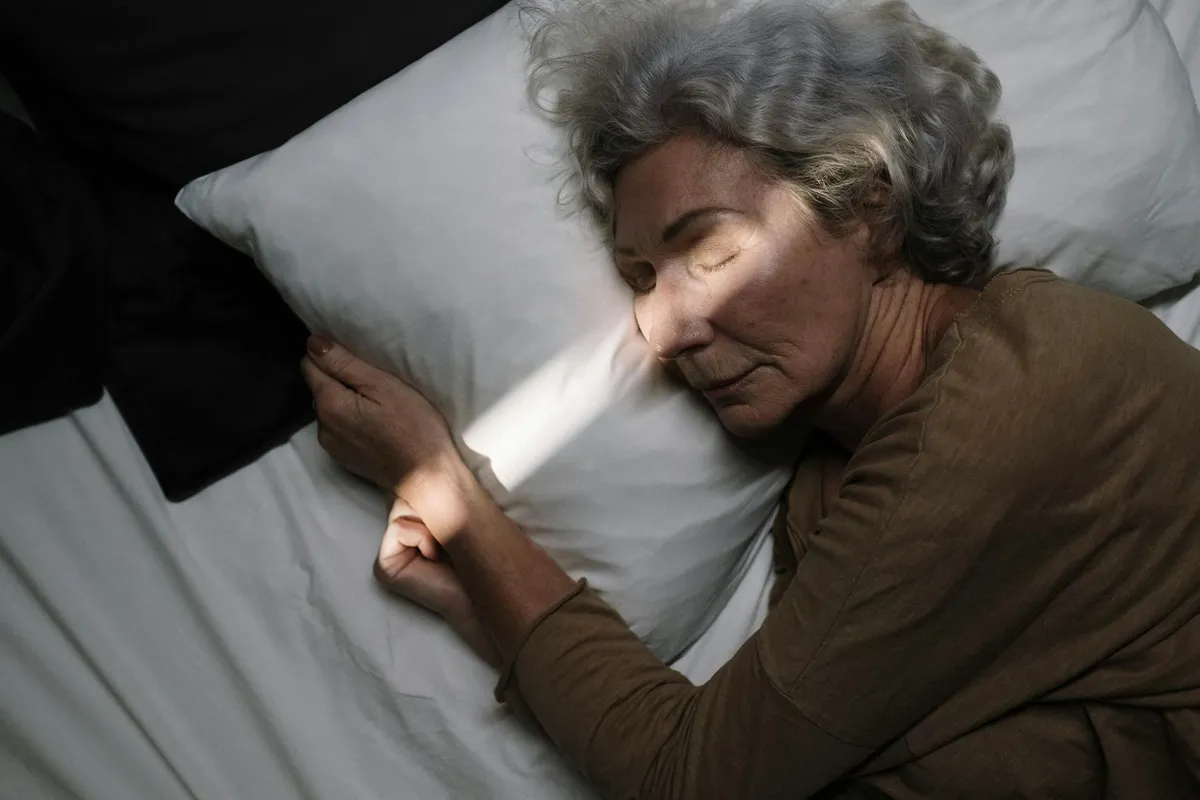
Sleep difficulty is a broad term encompassing any significant impairment in initiating, maintaining, or achieving restful sleep.
A general term for difficulty falling asleep, staying asleep, or feeling rested after sleep — the common presenting complaint of insomnia.
At a glance
What it is
Sleep difficulty is a broad term encompassing any significant impairment in initiating, maintaining, or achieving restful sleep.
Commonly experienced as
Evidence context
Research-supportedSee the evidence snapshotSafety
See staying safeContext
Sleep difficulty encompasses the subjective experience of problems with the initiation, maintenance, or restorative quality of sleep. It is the lay and clinical complaint that underlies insomnia — the most common sleep disorder — which is formally defined as difficulty sleeping at least three nights per week for at least three months causing significant daytime impairment. Sleep difficulty may manifest as lying awake unable to fall asleep (sleep onset insomnia), waking repeatedly through the night (sleep maintenance insomnia), waking too early and being unable to return to sleep (early morning waking), or sleeping adequate hours but feeling unrefreshed (non-restorative sleep). Each pattern has specific clinical and therapeutic implications. Sleep difficulty is bidirectionally related to depression, anxiety, chronic pain, and numerous medical conditions — making careful assessment of secondary causes essential before assuming primary insomnia.
Could this be you
Sleep difficulty shows up differently for everyone. Browse by how it tends to be felt — these are common experiences, not a checklist or a diagnosis.
Common experiences people describe — not a diagnostic checklist.
The Evidence
What research and clinical practice say about understanding and addressing sleep difficulty across conventional and complementary approaches.
Sleep difficulty is well-researched with strong first-line options
Sleep difficulty is one of the most studied health complaints, with robust evidence supporting psychological and behavioural approaches. Understanding the pattern and underlying causes shapes which options are most appropriate.
Sleep difficulty accompanied by suicidal thoughts requires urgent mental health support. Witnessed pauses in breathing during sleep may indicate obstructive sleep apnoea, which needs clinical evaluation. New or severe sleep difficulty in pregnancy or the postpartum period, especially with mood changes, warrants prompt professional review.
CBT-I is the recommended first-line approach, with systematic reviews showing it outperforms sleep medications for long-term outcomes. Its core components — sleep restriction, stimulus control, relaxation, and cognitive restructuring — address the behavioural and psychological drivers of poor sleep. Digital CBT-I programmes have also shown effectiveness, improving accessibility.
Spending excessive time in bed to compensate for poor sleep reduces sleep pressure and typically worsens insomnia. Long-term use of z-drugs or benzodiazepines carries risks of tolerance, dependence, and cognitive impairment — short-term use only is generally recommended. Addressing underlying conditions such as anxiety, depression, or sleep apnoea is essential where these are contributing.
Sleep onset difficulty, night waking, early morning waking, and non-restorative sleep each point toward different contributing factors. Sleep difficulty is bidirectionally linked to anxiety, depression, chronic pain, and several medical conditions. Identifying whether sleep difficulty is primary or secondary to another condition shapes the most appropriate path forward.
Herbal approaches including valerian, passionflower, lavender, and the TCM formula suan zao ren (ziziphus) have been used historically and are the subject of systematic reviews, though evidence quality varies and effect sizes are generally modest. Acupuncture for sleep difficulty has also been reviewed, with some positive findings but methodological limitations noted. These approaches are best considered alongside, not instead of, professional assessment.
CBT-I — in-person or digital — is a strong starting point for most people with persistent sleep difficulty. Lifestyle factors such as consistent sleep timing, light exposure, caffeine, and evening routine are foundational across all approaches. Complementary options may offer additional support for some people, but inflated outcome claims should be viewed with caution. A qualified practitioner can help identify contributing factors and personalise an approach.
Safety first
General, informational guidance — not diagnostic. A qualified practitioner can advise on your own situation.
Top Practitioners
Practitioners are ranked using relevance, experience signals, reviews, and support-area fit.
References
Educational sources that inform this overview. Inclusion is for context and does not imply endorsement.
Full citations are maintained by the Gyfts editorial team and reviewed periodically.
Keep exploring
Browse practitioners, explore honest overviews, and take what you learn to a conversation — at your own pace.