What it is
Wounds and cuts take longer to heal than usual.
Wounds and cuts take longer to heal than usual.
At a glance
What it is
Wounds and cuts take longer to heal than usual.
Commonly experienced as
Evidence context
Emerging evidenceSee the evidence snapshotContext
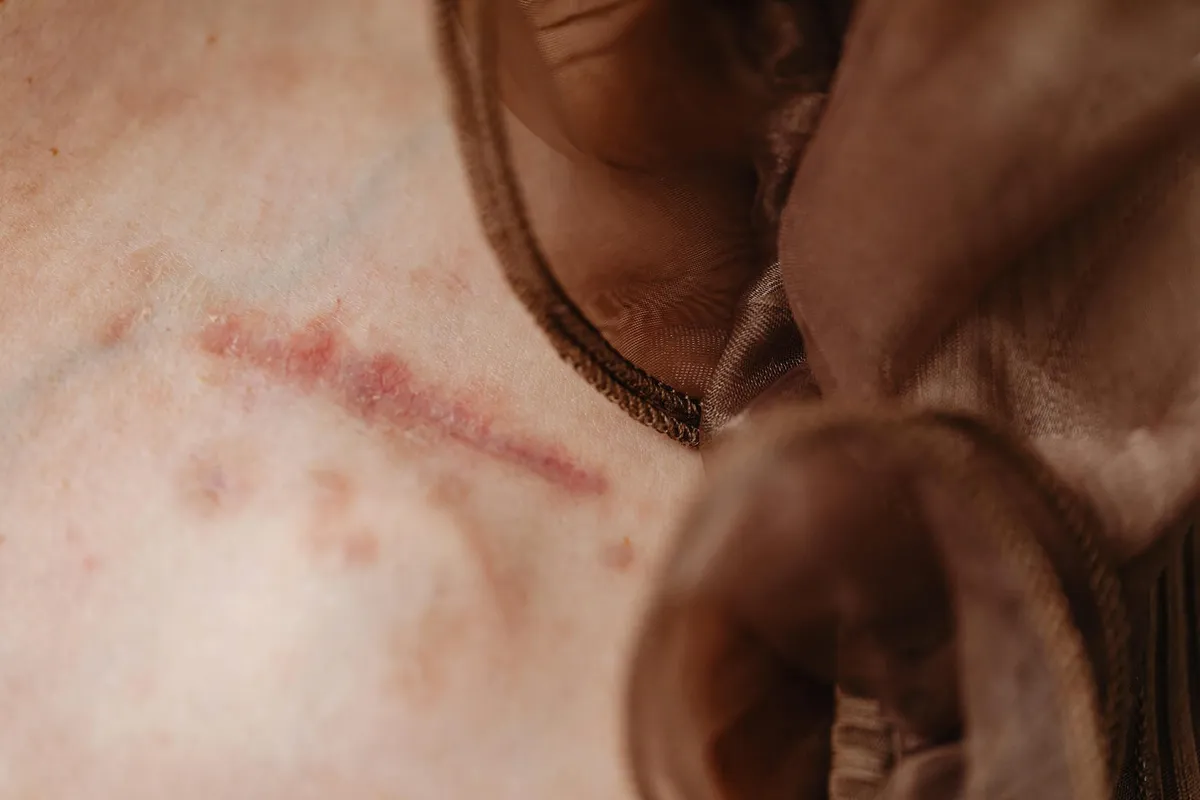
Slow healing describes the failure of wounds, cuts, abrasions, ulcers, or other skin injuries to heal within the expected timeframe — a process that normally completes within one to four weeks depending on wound size and depth. Impaired healing reflects compromised tissue repair mechanisms driven by underlying conditions. Diabetes is the most common cause — elevated blood glucose impairs immune cell function, microcirculation, and collagen synthesis. Peripheral arterial disease reduces oxygen delivery to healing tissue. Immunosuppression (from medication or disease) impairs the inflammatory phase of healing. Nutritional deficiencies — particularly vitamin C, zinc, and protein — are critical and often overlooked contributors. Any wound that has not shown clear progress toward healing after two to three weeks warrants medical assessment to identify and address the underlying impairment.
Could this be you
Slow Healing shows up differently for everyone. Browse by how it tends to be felt — these are common experiences, not a checklist or a diagnosis.
Common experiences people describe — not a diagnostic checklist.
The Evidence
What research and clinical practice tell us about wounds that take longer than expected to close, and when to seek professional assessment.
Slow healing is well understood — and often has a treatable cause
Research clearly links impaired wound healing to conditions such as diabetes, poor circulation, immunosuppression, and nutritional deficiencies. Identifying the underlying cause is the most important step, and some wounds require prompt professional assessment.
Seek care promptly if a wound shows increasing redness, warmth, swelling, or discharge — these may indicate infection. A rapidly spreading rash with fever, or any skin lesion that changes shape or colour quickly, also warrants urgent assessment. Do not wait if a wound has shown no progress after two to three weeks.
Moderate-to-strong evidence links slow healing to elevated blood glucose, reduced tissue oxygen from poor circulation, and deficiencies in vitamin C, zinc, and protein. These mechanisms are well described. Evidence supporting specific complementary or holistic interventions for wound healing is more variable and generally less robust.
Diabetes is the most common cause, impairing immune function, collagen production, and microcirculation. Peripheral arterial disease reduces oxygen delivery to tissue. Immunosuppressive medications or conditions slow the inflammatory phase of healing. Nutritional gaps — particularly protein, zinc, and vitamin C — are frequently overlooked contributors.
Adequate protein, micronutrient intake, hydration, and blood sugar management support the body's repair processes. Good wound hygiene reduces infection risk. Holistic approaches that address sleep, stress, and overall nutrition may complement medical care, though they are not a substitute for professional assessment of a non-healing wound.
Any wound that has not shown clear progress within two to three weeks warrants assessment by a qualified health professional. This is especially important for people with diabetes, circulatory conditions, or those taking immunosuppressive medications. Early assessment helps identify the underlying cause and prevents complications such as infection or tissue damage.
Medical care may include wound management, infection control, and addressing underlying conditions. Nutritional support — particularly protein, zinc, and vitamin C — is evidence-informed and often underutilised. Complementary approaches such as herbal preparations or topical remedies vary widely in evidence quality; discuss any additions with a qualified practitioner before use.
References
Educational sources that inform this overview. Inclusion is for context and does not imply endorsement.
Full citations are maintained by the Gyfts editorial team and reviewed periodically.
Keep exploring
Browse practitioners, explore honest overviews, and take what you learn to a conversation — at your own pace.