What it is
Heightened discomfort or distress in response to specific textures — particularly from certain fabrics, foods, or surfaces.
Heightened discomfort or distress in response to specific textures — particularly from certain fabrics, foods, or surfaces.
At a glance
What it is
Heightened discomfort or distress in response to specific textures — particularly from certain fabrics, foods, or surfaces.
Commonly experienced as
Evidence context
Emerging evidenceSee the evidence snapshotContext
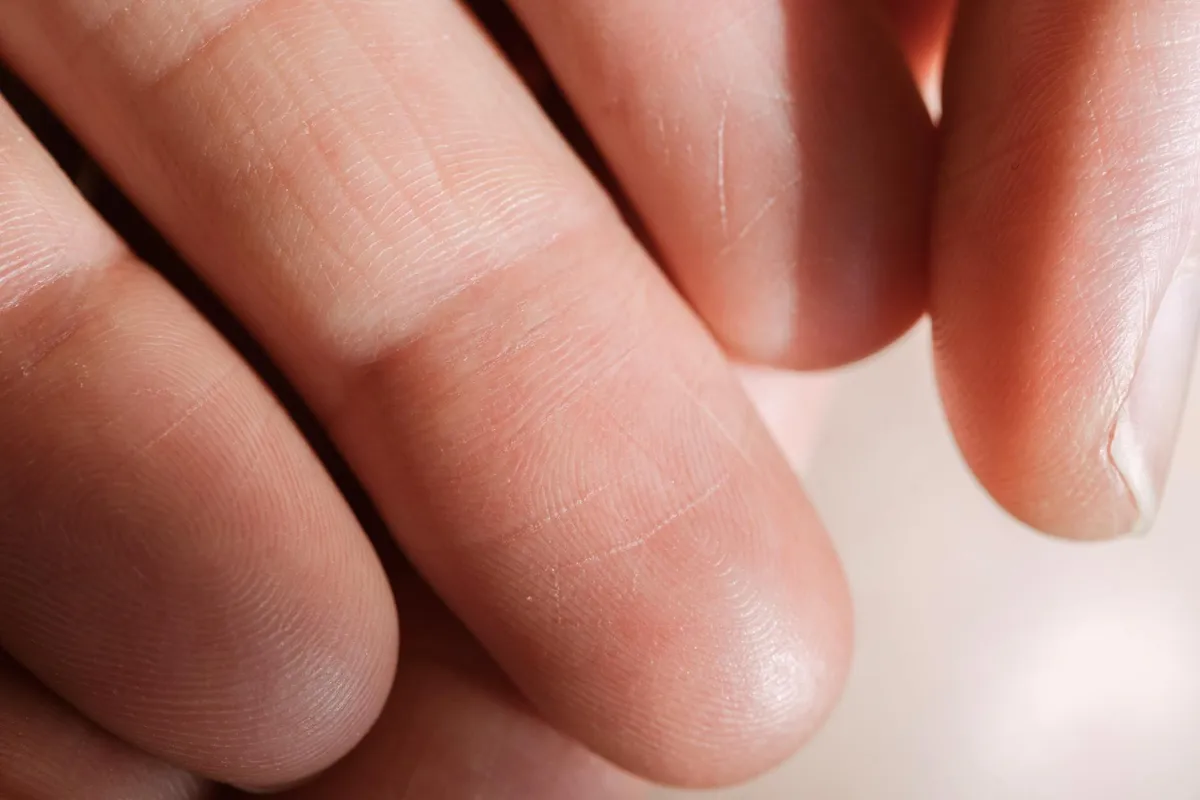
Texture sensitivity describes a heightened or aversive response to specific tactile qualities — fabrics that feel unbearable against the skin, food textures that trigger gagging or refusal, surfaces that feel distressing to touch. It reflects altered sensory processing in the somatosensory and interoceptive systems. In autism spectrum conditions, texture sensitivity is a common and recognised sensory difference — certain fabric textures, food textures, or surface feelings may be genuinely painful or intensely distressing rather than merely unpleasant. In sensory processing disorder, texture sensitivity is a primary presenting feature. Texture aversion to foods is a defining feature of ARFID (avoidant/restrictive food intake disorder) in many presentations. Sensory integration therapy addresses texture sensitivity through gradual desensitisation within a controlled therapeutic framework.
Could this be you
Texture Sensitivity shows up differently for everyone. Browse by how it tends to be felt — these are common experiences, not a checklist or a diagnosis.
Common experiences people describe — not a diagnostic checklist.
The Evidence
What research and clinical practice say about texture sensitivity and the approaches used to support it.
Recognised sensory difference with targeted therapeutic support
Texture sensitivity is well-documented in autism, sensory processing differences, and ARFID. Therapeutic approaches such as sensory integration and graduated exposure have moderate supporting evidence, particularly within occupational therapy frameworks.
Seek urgent care if texture sensitivity appears suddenly alongside numbness, weakness, or speech difficulty — these may indicate a neurological emergency. Seizures, loss of consciousness, the worst headache ever experienced, or vision changes with other neurological symptoms all require immediate assessment. Do not delay seeking help for these signs.
Sensory integration therapy has moderate evidence for addressing texture sensitivity in autism spectrum conditions. Graduated exposure within occupational therapy has moderate evidence for food texture sensitivity. Research in this area is active but not yet at the level of large-scale randomised trials, so findings should be interpreted with appropriate caution.
Texture sensitivity is a recognised feature of autism spectrum conditions, sensory processing disorder, and ARFID. In autism, certain textures may be genuinely painful rather than merely unpleasant. In ARFID, food texture aversion is a defining characteristic. Occupational therapists with sensory specialisation are typically the primary practitioners involved in assessment and support.
Sensory integration therapy, delivered by trained occupational therapists, uses controlled sensory exposure to support tolerance over time. Graduated desensitisation for food textures is used within feeding therapy. Environmental adjustments — such as clothing choices and surface modifications — are practical strategies commonly recommended alongside formal therapy.
An occupational therapist with sensory processing experience is a strong starting point for texture sensitivity affecting daily life. If food texture aversion is significantly limiting nutrition or growth, a feeding specialist or multidisciplinary team may be appropriate. A GP or paediatrician can help coordinate referrals and rule out other contributing factors.
Most research on texture sensitivity focuses on autism and paediatric populations, so findings may not apply equally to all ages or presentations. Sensory integration therapy evidence, while moderate, varies in quality across studies. No single approach works for everyone, and outcomes depend on individual factors, consistency of support, and the broader context of care.
References
Educational sources that inform this overview. Inclusion is for context and does not imply endorsement.
Full citations are maintained by the Gyfts editorial team and reviewed periodically.
Keep exploring
Browse practitioners, explore honest overviews, and take what you learn to a conversation — at your own pace.