What it is
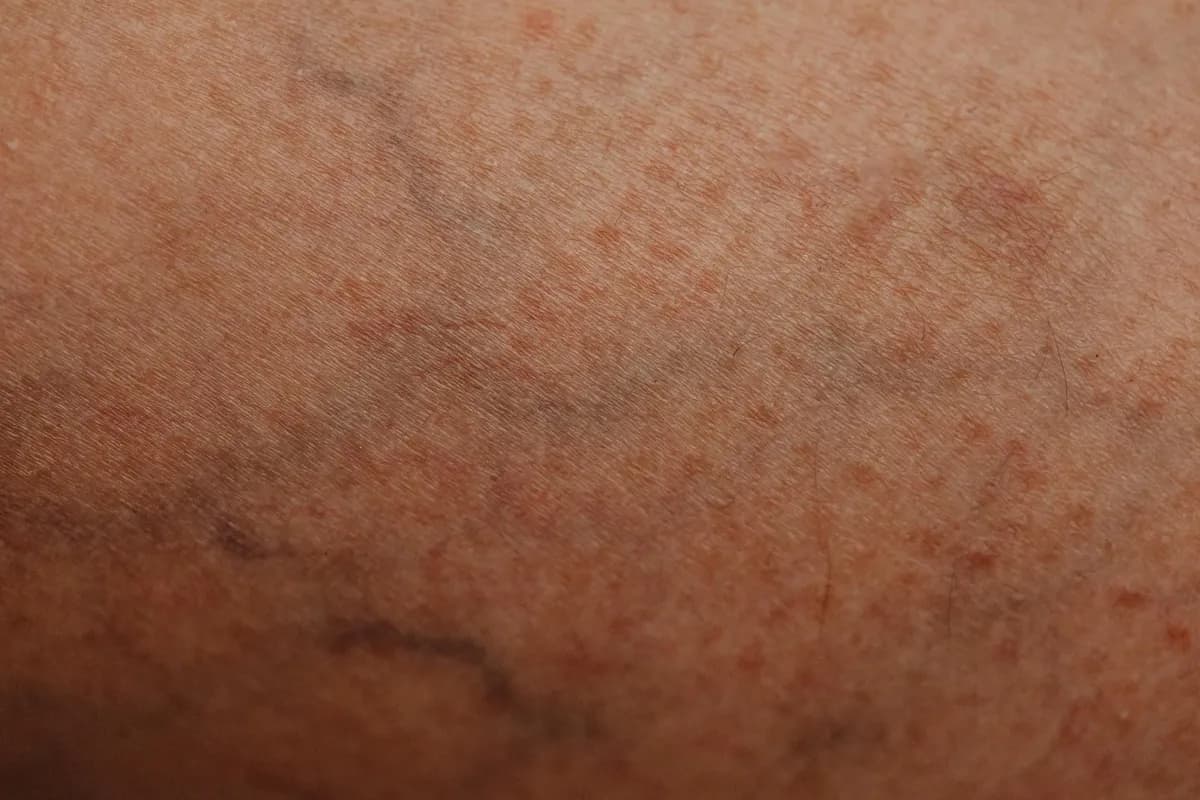
Thickened skin (hyperkeratosis) describes an abnormal increase in the thickness of the outer skin layer (stratum corneum) — producing hard, rough, or callus-like skin.
An abnormal increase in skin thickness or hardness — ranging from friction-related calluses to pathological conditions including psoriasis, lichen simplex, and actinic keratoses.
At a glance
What it is
Thickened skin (hyperkeratosis) describes an abnormal increase in the thickness of the outer skin layer (stratum corneum) — producing hard, rough, or callus-like skin.
Commonly experienced as
Evidence context
Research-supportedSee the evidence snapshotSafety
See staying safeContext
Thickened skin (hyperkeratosis) reflects an increase in keratin production and accumulation in the stratum corneum — the outermost skin layer. It presents clinically as hard, rough, or scaly skin and may be localised or widespread. Common causes include friction-induced calluses and corns (mechanical hyperkeratosis at pressure points on feet and hands), psoriasis plaques (thick adherent silvery scale on erythematous skin), lichen simplex chronicus (thick lichenified skin from chronic scratching), palmoplantar keratodermas (genetic conditions producing extreme palmar and plantar thickening), actinic keratoses (rough scaly patches from UV-induced epidermal dysplasia — a pre-malignant condition), and ichthyosis (generalised scaling from keratinisation disorders). Underlying systemic conditions including hypothyroidism, diabetes, and nutritional deficiencies may produce secondary skin thickening.
Could this be you
Thickened Skin shows up differently for everyone. Browse by how it tends to be felt — these are common experiences, not a checklist or a diagnosis.
Common experiences people describe — not a diagnostic checklist.
The Evidence
What the evidence says about causes, care options, and when thickened skin needs professional assessment.
Thickened skin has well-understood causes and established care pathways
Hyperkeratosis ranges from benign friction-related calluses to pre-malignant lesions and signs of systemic disease. Evidence-based options exist across the spectrum, but some presentations require prompt professional assessment.
A rough, scaly patch on sun-exposed skin that does not resolve may indicate an actinic keratosis — a pre-malignant condition requiring dermatological review. A rapidly growing, ulcerating, or bleeding lesion needs urgent assessment. Sudden widespread skin thickening with systemic symptoms warrants investigation for underlying disease.
Mechanical calluses respond well to offloading, footwear changes, and chiropody. Psoriasis has a strong evidence base spanning topical agents, phototherapy, and systemic biologics. Actinic keratoses are managed with cryotherapy, topical agents, or photodynamic therapy to reduce malignant transformation risk. Emollients are foundational across all hyperkeratotic conditions.
Hyperkeratosis may reflect friction, chronic inflammation, genetic keratinisation disorders, UV damage, or systemic conditions such as hypothyroidism or diabetes. Widespread or unusual presentations benefit from professional assessment to identify the underlying cause before selecting a care approach.
Urea-containing preparations — used across many cultures — have clinical evidence as keratolytic agents. Emollient plant-derived preparations such as aloe vera and shea butter support skin hydration. Ayurvedic medicated oils and TCM blood-nourishing herbs are used traditionally, though clinical evidence for these specific applications remains limited.
High-potency topical corticosteroids should not be used on thin skin areas such as the face, genitals, or skin folds — lower-potency agents are preferred in these locations. Aggressive keratolytic treatments applied to inflamed or infected skin may worsen the condition. Seek guidance before escalating self-managed care.
Persistent or worsening thickened skin, lesions on sun-exposed areas, or presentations accompanied by systemic symptoms warrant professional review. A podiatrist or chiropodist is appropriate for foot-related thickening. Complementary practitioners may support general skin health but are not a substitute for professional assessment of concerning lesions.
Safety first
General, informational guidance — not diagnostic. A qualified practitioner can advise on your own situation.
References
Educational sources that inform this overview. Inclusion is for context and does not imply endorsement.
Full citations are maintained by the Gyfts editorial team and reviewed periodically.
Keep exploring
Browse practitioners, explore honest overviews, and take what you learn to a conversation — at your own pace.