What it is
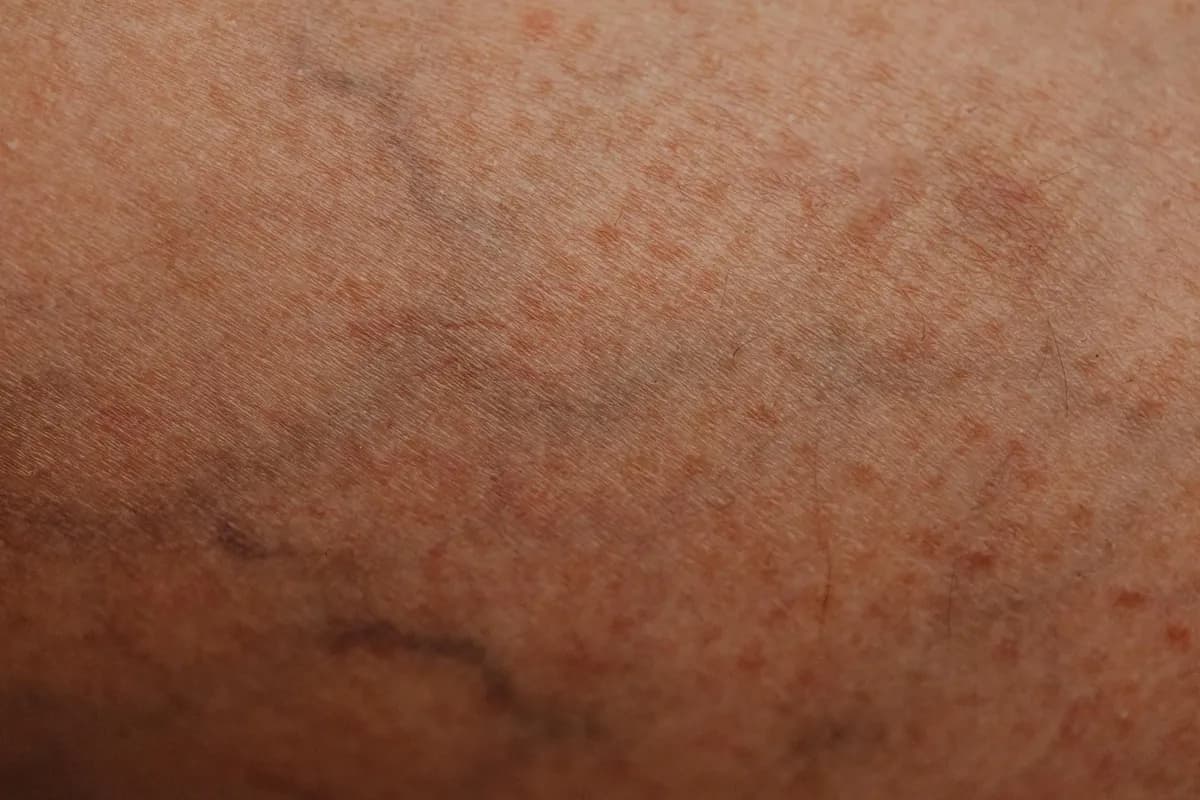
Visible vessels describes the appearance of superficial blood vessels — veins, capillaries, or arterioles — visible through the skin, including spider veins, thread veins (telangiectasia), and varicose veins.
Superficial blood vessels visible through the skin — including spider veins, thread veins, and varicose veins — ranging from cosmetic to clinically significant venous pathology.
At a glance
What it is
Visible vessels describes the appearance of superficial blood vessels — veins, capillaries, or arterioles — visible through the skin, including spider veins, thread veins (telangiectasia), and varicose veins.
Commonly experienced as
Evidence context
Emerging evidenceSee the evidence snapshotSafety
See staying safeContext
Visible vessels encompass several related presentations of superficial vascular visibility. Telangiectasias (spider veins, thread veins) are small, permanently dilated capillaries and venules visible as red, blue, or purple tracings on the skin surface — common on the face (nose, cheeks), lower legs, and thighs. They are largely cosmetic but may indicate underlying venous insufficiency or systemic conditions (liver disease producing spider naevi, hereditary haemorrhagic telangiectasia, systemic sclerosis, or — on the legs — chronic venous hypertension). Varicose veins are enlarged, tortuous superficial veins of the lower limb caused by valvular incompetence and venous reflux — producing visible bulging veins, aching, heaviness, and in severe cases, venous ulceration. Reticular veins are intermediate between spider and varicose. Visible periorbital, abdominal, or caput medusae veins may indicate systemic venous hypertension.
Could this be you
Visible Vessels shows up differently for everyone. Browse by how it tends to be felt — these are common experiences, not a checklist or a diagnosis.
Common experiences people describe — not a diagnostic checklist.
The Evidence
What the evidence says about visible vessels — from cosmetic spider veins to varicose veins and signs of systemic conditions.
Well-understood presentations with clear referral pathways
Visible vessels range from common cosmetic concerns to markers of underlying venous or systemic conditions. Evidence supports several interventions, and clear clinical guidelines exist for when professional assessment is needed.
Multiple spider naevi in the upper body distribution may indicate liver disease and warrant liver function assessment. Varicose veins with surrounding skin changes such as pigmentation or hardening signal risk of venous ulceration. Rapid-onset visible abdominal veins may indicate portal hypertension and require urgent review.
Research supports sclerotherapy and laser therapy for spider veins and telangiectasias. For varicose veins, compression hosiery may reduce symptoms and slow progression; endovenous ablation and surgery are options for more significant venous concerns. Clinical guidelines generally recommend referral when varicose veins are complicated by bleeding, ulceration, thrombophlebitis, or significant pain.
Sclerotherapy is contraindicated in pregnancy and in individuals with a significant history of deep vein thrombosis without prior specialist assessment. Anyone considering procedural care for visible vessels should disclose their full medical history to the treating clinician before proceeding.
Horse chestnut seed extract (aescin) is among the more studied herbal options for chronic venous insufficiency, with some evidence suggesting it may help reduce heaviness and swelling. Gotu kola, rutin, grape seed extract, and bilberry are used in integrative practice with more limited evidence. Leg elevation, regular movement, and avoiding prolonged sitting or standing are universally recommended lifestyle measures.
A GP or vascular specialist can distinguish benign cosmetic vessels from those indicating venous insufficiency or systemic conditions. Dermatologists and phlebologists manage procedural interventions. Self-managed approaches and complementary options are reasonable for mild cosmetic concerns, but should not substitute for professional assessment when red flags or systemic signs are present.
Mild spider veins with no systemic signs may be managed with compression, lifestyle changes, and complementary support. Symptomatic or complicated varicose veins benefit from medical or procedural care. Integrative options can complement — but not replace — conventional management, particularly where underlying venous insufficiency or systemic conditions are involved.
Safety first
General, informational guidance — not diagnostic. A qualified practitioner can advise on your own situation.
References
Educational sources that inform this overview. Inclusion is for context and does not imply endorsement.
Full citations are maintained by the Gyfts editorial team and reviewed periodically.
Keep exploring
Browse practitioners, explore honest overviews, and take what you learn to a conversation — at your own pace.