What it is
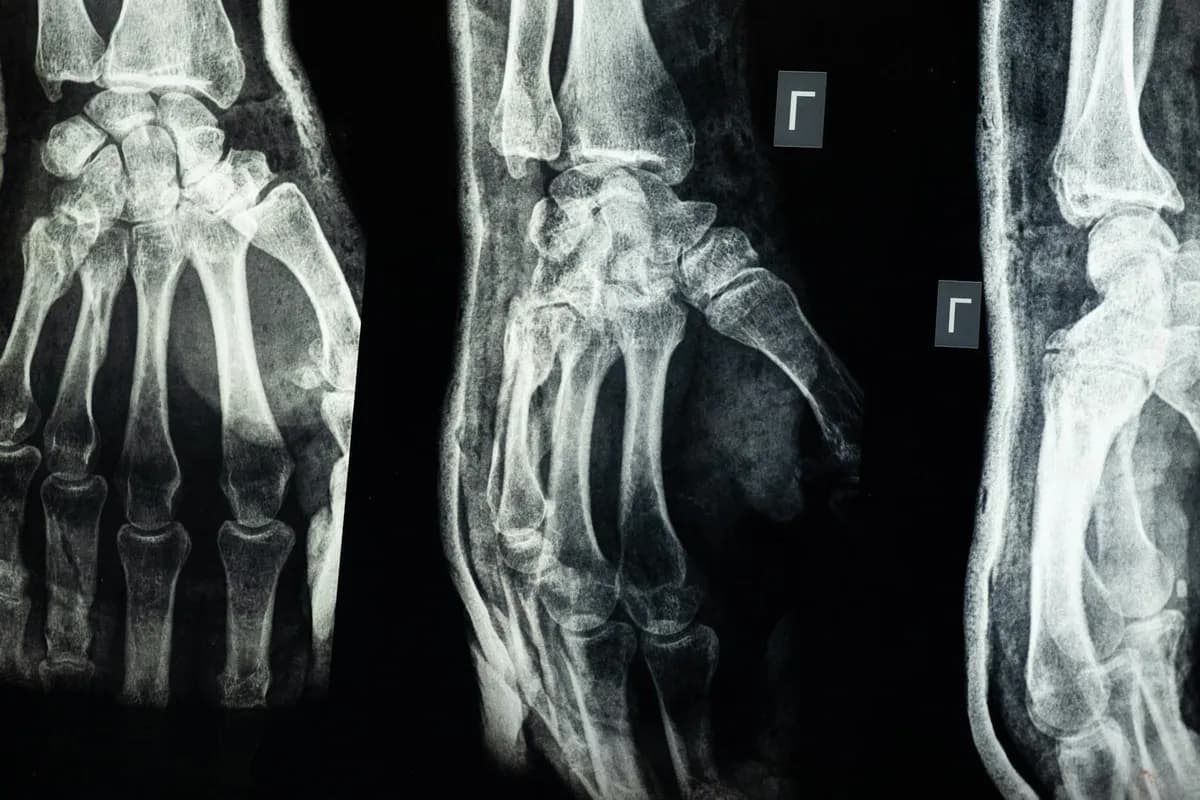
Weak bones / reduced bone density describes diminished bone mineral density increasing fracture susceptibility, associated with osteoporosis, nutritional deficiencies, and hormonal changes.
Reduced bone mineral density or structural bone fragility, increasing susceptibility to fracture from minor trauma.
At a glance
What it is
Weak bones / reduced bone density describes diminished bone mineral density increasing fracture susceptibility, associated with osteoporosis, nutritional deficiencies, and hormonal changes.
Commonly experienced as
Evidence context
Research-supportedSee the evidence snapshotSafety
See staying safeContext
Weak bones refers colloquially to reduced bone mineral density (BMD) or structural bone fragility, most formally classified as osteoporosis (T-score ≤ −2.5) or osteopenia (T-score between −1.0 and −2.5). Bones are dynamic living tissue continuously undergoing remodelling through osteoclastic resorption and osteoblastic formation. When resorption chronically exceeds formation, net bone loss results. Peak bone mass is achieved by the late twenties; thereafter, bone density gradually declines. Risk factors include: female sex, post-menopausal oestrogen loss, advancing age, low calcium and vitamin D intake, prolonged corticosteroid use, smoking, excessive alcohol, physical inactivity, eating disorders, hyperthyroidism, and inflammatory conditions. The condition is often asymptomatic until a fragility fracture occurs, making proactive screening and lifestyle intervention essential.
Could this be you
Weak Bones shows up differently for everyone. Browse by how it tends to be felt — these are common experiences, not a checklist or a diagnosis.
Common experiences people describe — not a diagnostic checklist.
The Evidence
What research and clinical practice say about bone density, fragility fracture risk, and the approaches that have meaningful support.
Bone fragility is well-studied with clear prevention pathways
Osteoporosis and reduced bone density are among the most researched musculoskeletal conditions, with strong evidence for lifestyle, nutritional, and pharmacological approaches. Early intervention matters significantly, as the condition is often silent until a fracture occurs.
A fracture following minimal trauma, sudden back pain with height loss, or progressive unexplained bone pain all require prompt medical assessment. Known corticosteroid use without a bone protection review is also a clinical priority. These presentations need professional evaluation — not self-managed approaches alone.
Weight-bearing and resistance exercise have strong evidence for maintaining bone density across the lifespan. Calcium (1000–1200 mg/day) and vitamin D (800–2000 IU/day) are well-supported cornerstones of prevention. Pharmacological options such as bisphosphonates have high-quality evidence for reducing fracture risk in established osteoporosis. Collagen peptides and Tai Chi show emerging or moderate support.
High-impact exercise without prior fracture risk assessment may be unsafe in established osteoporosis. Calcium supplementation above 1200 mg/day without medical guidance may carry cardiovascular risk. Phytoestrogen-containing herbs should be used with caution by anyone with a history of oestrogen-receptor-positive cancer. Always discuss supplements with a qualified practitioner.
Bone mineral density is typically assessed via DEXA scan, producing a T-score. Osteopenia sits between −1.0 and −2.5; osteoporosis is classified at −2.5 or below. The condition is often asymptomatic until a fragility fracture occurs, making proactive screening — particularly post-menopause or with known risk factors — an important part of preventive care.
Ayurveda relates bone health to Asthi Dhatu nourishment and Vata balance, using herbs such as Ashwagandha and Shatavari. TCM connects bone health to the Kidney system and Jing, addressed through acupuncture and herbal formulas. Western herbal traditions use horsetail, nettle, and red clover as adjuncts. Evidence for these approaches is limited; they are best considered alongside, not instead of, evidence-based care.
A GP or endocrinologist can arrange bone density scanning and review fracture risk. A physiotherapist or exercise physiologist can design safe, bone-loading exercise programmes. A dietitian can assess calcium and vitamin D intake. Complementary practitioners can support lifestyle and wellbeing alongside — but not as a substitute for — professional medical assessment where risk factors are present.
Safety first
General, informational guidance — not diagnostic. A qualified practitioner can advise on your own situation.
References
Educational sources that inform this overview. Inclusion is for context and does not imply endorsement.
Full citations are maintained by the Gyfts editorial team and reviewed periodically.
Keep exploring
Browse practitioners, explore honest overviews, and take what you learn to a conversation — at your own pace.