What it is
A high-pitched whistling sound during breathing caused by narrowed or obstructed airways — a hallmark of asthma and other respiratory conditions.
A high-pitched whistling sound during breathing caused by narrowed or obstructed airways — a hallmark of asthma and other respiratory conditions.
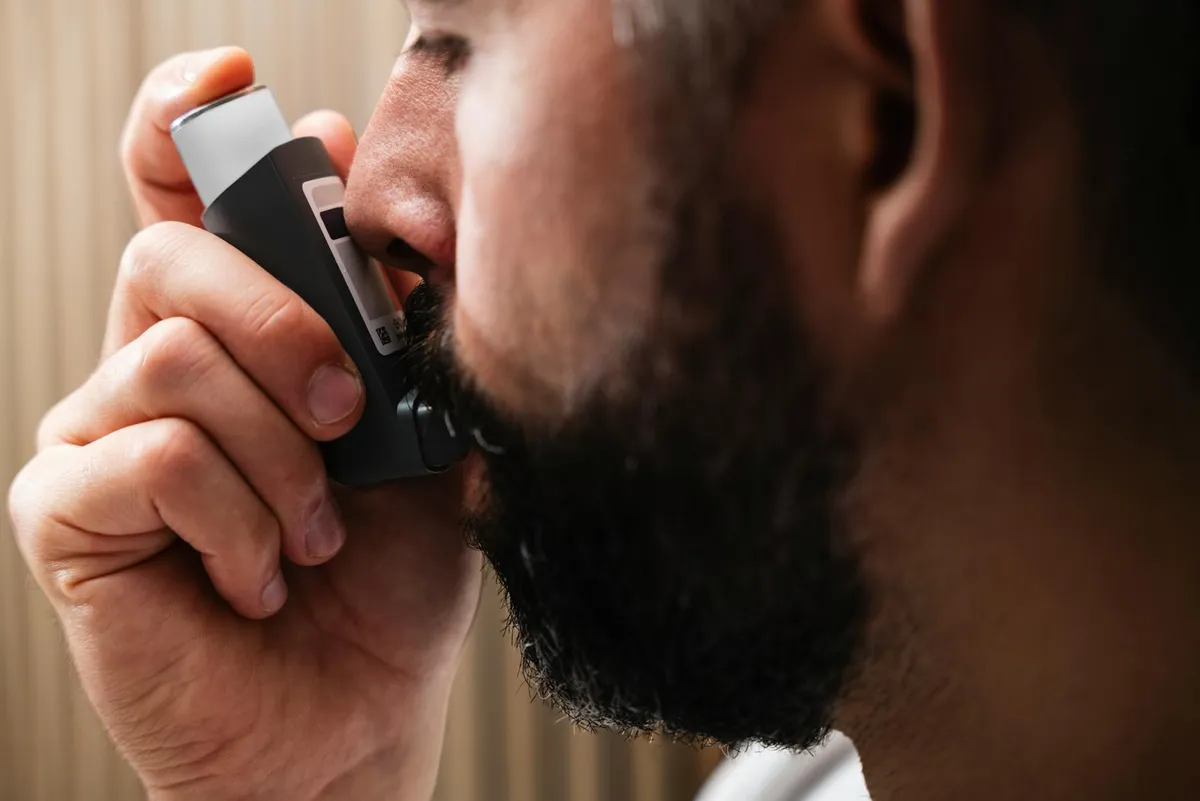
At a glance
What it is
A high-pitched whistling sound during breathing caused by narrowed or obstructed airways — a hallmark of asthma and other respiratory conditions.
Commonly experienced as
Evidence context
Research-supportedSee the evidence snapshotContext
Wheezing describes a high-pitched, musical sound produced by airflow through partially narrowed airways — most commonly heard during expiration, sometimes also on inspiration. It reflects airway narrowing from bronchospasm (asthma — the most important cause), airway inflammation and oedema, excess mucus, or a foreign body obstruction. In asthma, wheezing varies in intensity — worse with exercise, allergen exposure, respiratory infection, cold air, and emotional stress — and is associated with chest tightness, cough, and breathlessness. COPD (chronic obstructive pulmonary disease) produces persistent expiratory wheeze from fixed airway obstruction and mucus hypersecretion. New onset wheeze in an adult without prior asthma warrants investigation to exclude obstruction and cardiac causes. In infants, bronchiolitis (RSV) produces characteristic wheeze.
Could this be you
Wheezing shows up differently for everyone. Browse by how it tends to be felt — these are common experiences, not a checklist or a diagnosis.
Common experiences people describe — not a diagnostic checklist.
The Evidence
What the research says about wheezing, its causes, and the interventions with the strongest support.
Wheezing is well-studied with clear clinical pathways
Wheezing has a strong evidence base, particularly in asthma and COPD. Effective interventions exist, and early professional assessment is important to identify the underlying cause and guide appropriate care.
Seek urgent care if you experience severe shortness of breath, wheezing that does not respond to usual treatment, coughing blood, or wheeze accompanied by fever and chest pain. New-onset wheeze in an adult with no prior respiratory history also warrants prompt professional assessment to rule out serious causes.
Inhaled corticosteroids are strongly supported for reducing airway inflammation in asthma. Bronchodilators have very strong evidence for relieving acute wheeze. Smoking cessation is the most evidence-backed intervention for COPD-related wheeze. These form the foundation of guideline-based respiratory care internationally.
The most common cause is asthma, where bronchospasm narrows the airways. COPD produces persistent wheeze from fixed obstruction and mucus. In infants, bronchiolitis is a frequent cause. Less commonly, a foreign body or cardiac condition may be responsible. Identifying the underlying cause is essential before any management approach is considered.
Conventional care typically involves inhaled medications, trigger avoidance, and monitoring. Complementary approaches such as breathing exercises and stress management are sometimes used alongside conventional care. Evidence for complementary options varies and they should not replace professional assessment or prescribed management plans.
Wheezing should be evaluated by a qualified practitioner to identify its cause and guide appropriate care. If you are already under care for asthma or COPD, discuss any changes in your symptoms with your provider. Complementary or holistic practitioners should be informed of any existing respiratory conditions and conventional treatments in use.
The information here is educational and does not constitute professional assessment or a management plan. Wheezing has multiple possible causes, some of which require urgent attention. Use this content to inform your understanding and conversations with qualified practitioners, not as a substitute for professional evaluation.
Top Practitioners
Practitioners are ranked using relevance, experience signals, reviews, and support-area fit.
References
Educational sources that inform this overview. Inclusion is for context and does not imply endorsement.
Full citations are maintained by the Gyfts editorial team and reviewed periodically.
Keep exploring
Browse practitioners, explore honest overviews, and take what you learn to a conversation — at your own pace.
