Preparing for Your Consultation
The preparation for alternative medicine varies considerably depending on which modality you're exploring. For most consultations, wear comfortable, loose-fitting clothing that allows easy access to pulse points, your back, and limbs. Many practitioners need to observe your tongue, feel your pulse, or perform physical assessments.
Bring a comprehensive list of all medications, supplements, and recent medical investigations. Alternative practitioners often spend significant time reviewing conventional medical records, laboratory results, and imaging studies. Unlike GP visits, you'll likely complete detailed questionnaires about your sleep patterns, digestion, stress levels, and emotional wellbeing before your appointment.
Avoid strong perfumes, as some practitioners use smell as a diagnostic tool. If you're seeing a homeopath, you may need to avoid coffee, mint, and strong flavours for several days beforehand. Acupuncturists typically ask you not to arrive on an empty stomach but avoid heavy meals immediately prior. Check specific preparation requirements when booking, as these vary between traditions.
The Initial Assessment
Your first appointment will likely last between 60 and 90 minutes—significantly longer than conventional medical consultations. The practitioner begins with detailed questioning about your chief complaint, but the conversation quickly expands to areas that might surprise you. A naturopath might spend twenty minutes discussing your childhood illnesses and family health patterns. A Traditional Chinese Medicine practitioner will ask about the quality of your thirst and how you respond to different weather.
Physical examination techniques differ markedly from conventional medicine. You might have your pulse taken at multiple positions on both wrists, with the practitioner noting subtle variations in rhythm and quality. Some practitioners will examine your iris, others will palpate areas of your abdomen or back that seem unrelated to your symptoms. A chiropractor will assess your posture and movement patterns, while a herbalist might focus on the colour and coating of your tongue.
Throughout this process, practitioners are building what they call a 'constitutional picture'—understanding not just your symptoms, but how your entire system functions. This assessment phase typically occupies the majority of your first visit.
Treatment and Immediate Experience
The actual treatment portion of your first visit may be brief or extensive, depending on the modality. Acupuncture involves the insertion of fine needles, which most people describe as less painful than expected—more like a mosquito bite than an injection. You'll then rest quietly for 20-30 minutes whilst the needles remain in place. Some people feel deeply relaxed, others experience odd sensations along what practitioners call meridian pathways.
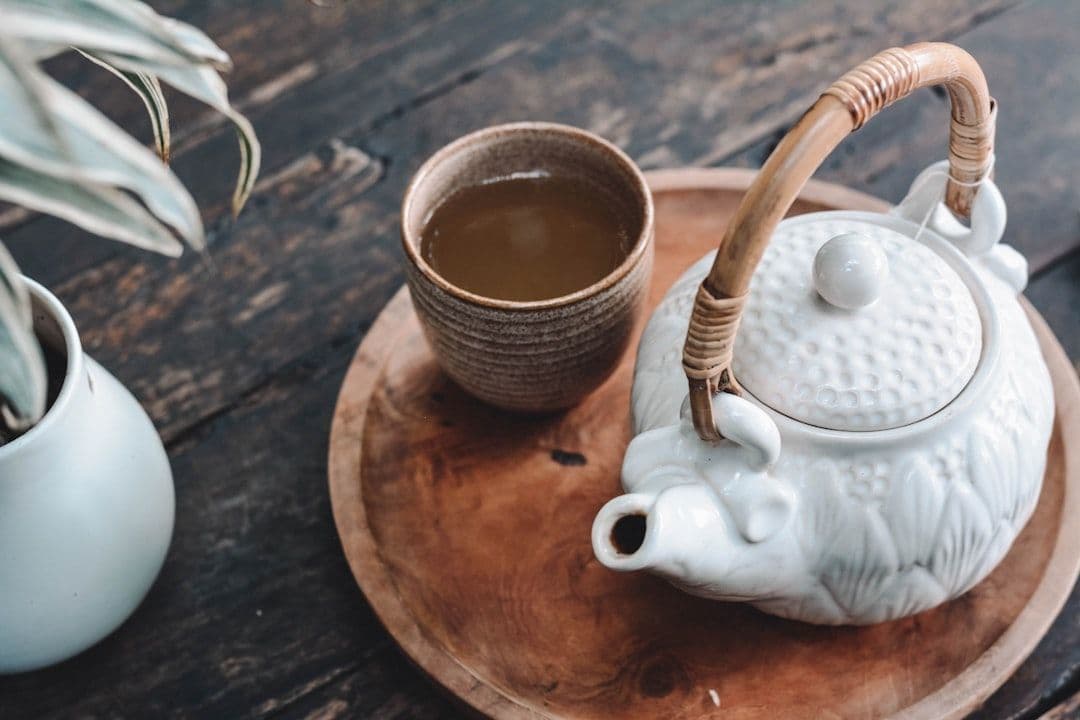
Homeopaths typically prescribe remedies to take at home rather than administering treatment during the session. Herbal medicine consultations often conclude with the practitioner preparing a customised formula, which might involve grinding, mixing, or combining tinctures whilst you wait. The taste of herbal medicines frequently challenges patients—they're rarely pleasant, often bitter or intensely aromatic.
Manual therapies like osteopathy or chiropractic involve hands-on treatment during the session. You might hear joints clicking, feel muscles releasing, or experience temporary discomfort as restricted areas are mobilised. Energy-based modalities can feel surprisingly physical—patients report sensations of heat, tingling, or movement even when the practitioner's hands aren't directly touching the body.
Post-Session Responses and Aftercare
Reactions in the hours and days following alternative medicine treatments vary enormously between individuals and modalities. Many people report feeling unusually tired after their first acupuncture session—practitioners often warn you to avoid strenuous activity and ensure adequate rest that evening. Others experience what's called a 'healing response'—a temporary worsening of symptoms before improvement begins.
Homeopathic remedies occasionally trigger what practitioners term 'proving symptoms'—temporary reactions that supposedly indicate the remedy is working. Herbal medicines might cause mild digestive upset initially as your system adjusts. Manual therapies can leave you feeling physically reorganised but temporarily unstable, like furniture has been rearranged in a familiar room.
Drink plenty of water following most alternative treatments. Avoid alcohol for 24 hours after acupuncture or homeopathic prescribing. Some practitioners recommend gentle movement or specific dietary modifications. Always clarify aftercare instructions before leaving, as these recommendations are often crucial for optimising treatment outcomes.
Treatment Timelines and Follow-up
Alternative medicine rarely works as single interventions. Most practitioners recommend an initial course of treatments, typically spanning 6-12 weeks. Acupuncture often involves weekly sessions initially, spacing out as improvement occurs. Homeopaths might schedule follow-ups every 4-6 weeks to assess remedy responses and adjust prescriptions. Herbal medicine typically requires monthly consultations to modify formulations as your condition evolves.
Chronic conditions generally require longer treatment periods than acute issues. A herbalist might suggest three months for digestive problems that have persisted for years. Stress-related conditions often respond within 4-6 sessions of acupuncture, whilst musculoskeletal problems might need ongoing maintenance care.
Many people find themselves working with multiple alternative practitioners simultaneously—combining acupuncture with herbal medicine, or adding homeopathy to chiropractic care. This integrative approach requires coordination to avoid contradictory treatments or excessive intervention. Discuss any concurrent alternative therapies with each practitioner to ensure compatibility and optimise your care plan.