The Light That Heals Without Heat
A golden retriever named Max lies calmly on the veterinary table as Dr. Sarah holds what looks like a large torch above his arthritic hip. No heat emanates from the device, no sound breaks the silence, yet focused photons of light at precisely 810 nanometres penetrate through his fur and skin. For fifteen minutes, these low-level laser beams interact with the mitochondria in Max's damaged cartilage cells, potentially reducing inflammation and encouraging repair.
Cold laser therapy — also called low-level laser therapy or photobiomodulation — represents a significant shift in veterinary pain management. Unlike surgical lasers that cut and cauterise, these devices operate at such low power that they produce no thermal effect whatsoever. The treatment feels like nothing to the animal, yet emerging research suggests the cellular effects may be profound.
From Human Medicine to Veterinary Care
Cold laser therapy entered human medicine in the 1960s when Hungarian physician Endre Mester accidentally discovered that low-power ruby laser light accelerated wound healing in laboratory mice. The technology gradually found applications in physiotherapy and pain management clinics throughout Europe and North America.
Veterinary adoption began in earnest during the 1990s as practitioners recognised that animals with chronic pain conditions — particularly arthritis in older dogs — had limited pharmaceutical options. Unlike humans, animals cannot report subtle side effects from long-term medication use, making non-pharmaceutical approaches particularly appealing. The technology has since expanded beyond companion animals to include equine sports medicine and even exotic animal care.
Today, cold laser therapy occupies an established niche in integrative veterinary practice, often used alongside conventional treatments rather than as a replacement for them.
How Light Becomes Medicine
Cold laser therapy operates on the principle that specific wavelengths of light — typically between 600 and 1000 nanometres — can penetrate tissue and interact with cellular components called chromophores. These light-sensitive molecules, found primarily in mitochondria, absorb photons and convert them into increased adenosine triphosphate (ATP) production.
This enhanced cellular energy is thought to trigger several beneficial cascades: reduced production of inflammatory cytokines, improved local blood circulation, and accelerated protein synthesis for tissue repair. The treatment also appears to influence pain perception by affecting nerve conduction, though the exact mechanisms remain under investigation.
Practitioners adjust multiple variables for each animal: wavelength selection depends on the condition and tissue depth required, while power density and treatment duration vary according to the animal's size, coat colour, and specific pathology. Dark-furred animals may require longer exposure times, as melanin can absorb some of the therapeutic light before it reaches target tissues.
What Happens During Treatment
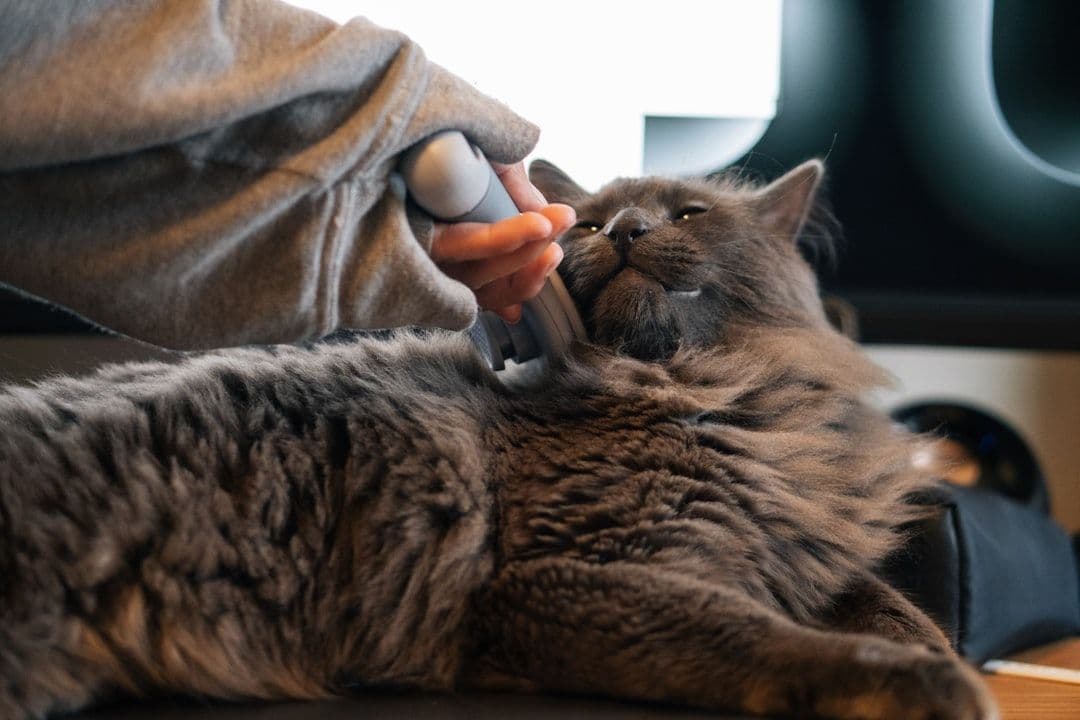
A typical cold laser session begins with the veterinarian examining the animal and identifying specific treatment areas. Most pets require no sedation — the procedure produces no sensation that would cause discomfort or anxiety. The practitioner holds the laser device directly against the skin or slightly above the fur, moving it systematically across predetermined points.
Treatment duration varies considerably. Acute injuries might receive five-minute sessions, while chronic conditions like hip dysplasia may require 15-20 minutes per area. The laser head often features a timer and audible signals to ensure consistent dosing. Many animals become remarkably relaxed during treatment, with some falling asleep under the gentle red light.
Protocols typically involve multiple sessions over several weeks. Acute conditions might show improvement after three to five treatments, while chronic arthritis often requires 8-12 sessions for optimal benefit. Many veterinarians recommend maintenance treatments every few months for animals with degenerative conditions.
The Developing Evidence Base
Research into veterinary cold laser therapy shows promising early results, though the evidence base remains limited compared to human applications. Several small studies have demonstrated reduced pain scores and improved mobility in arthritic dogs following laser treatment. A 2019 systematic review found moderate evidence for effectiveness in canine osteoarthritis, though study quality varied considerably.
Wound healing research shows more consistent results. Multiple studies indicate faster closure rates and reduced inflammation in post-surgical incisions treated with cold laser therapy. However, most research involves small sample sizes — often fewer than 30 animals — and lacks the rigorous controls expected in human clinical trials.
The challenge lies partly in measuring outcomes in animals who cannot self-report pain levels. Researchers rely on behavioural assessments, owner questionnaires, and objective measures like force plate analysis to evaluate effectiveness. While these methods provide valuable data, they introduce variables that make definitive conclusions challenging.
Finding Qualified Treatment
Cold laser therapy should only be performed by qualified veterinary professionals. Look for veterinarians with specific training in laser therapy protocols, as improper use can be ineffective or potentially harmful. Many practitioners complete certification programmes through organisations like the American Association of Laser Therapy or attend manufacturer training courses.
Costs typically range from £30-80 per session, depending on treatment duration and geographic location. Initial consultations may cost more as they include comprehensive assessment and protocol development. Many practices offer package deals for multiple sessions, as chronic conditions usually require extended treatment courses.
When selecting a provider, ask about their training credentials, the specific laser equipment used, and their experience with your animal's particular condition. Reputable practitioners will provide realistic expectations about treatment outcomes and discuss how laser therapy fits within a comprehensive treatment plan that may include conventional veterinary care.