What it is
Low-level laser light is applied to tissue to support healing and ease discomfort.
Animal holistic health is an umbrella approach that combines conventional veterinary care with selected complementary practices to suppor...

At a glance
What it is
Low-level laser light is applied to tissue to support healing and ease discomfort.
Why explore it
It may improve comfort and mobility for pets with arthritis or recovering from surgery.
How it’s experienced
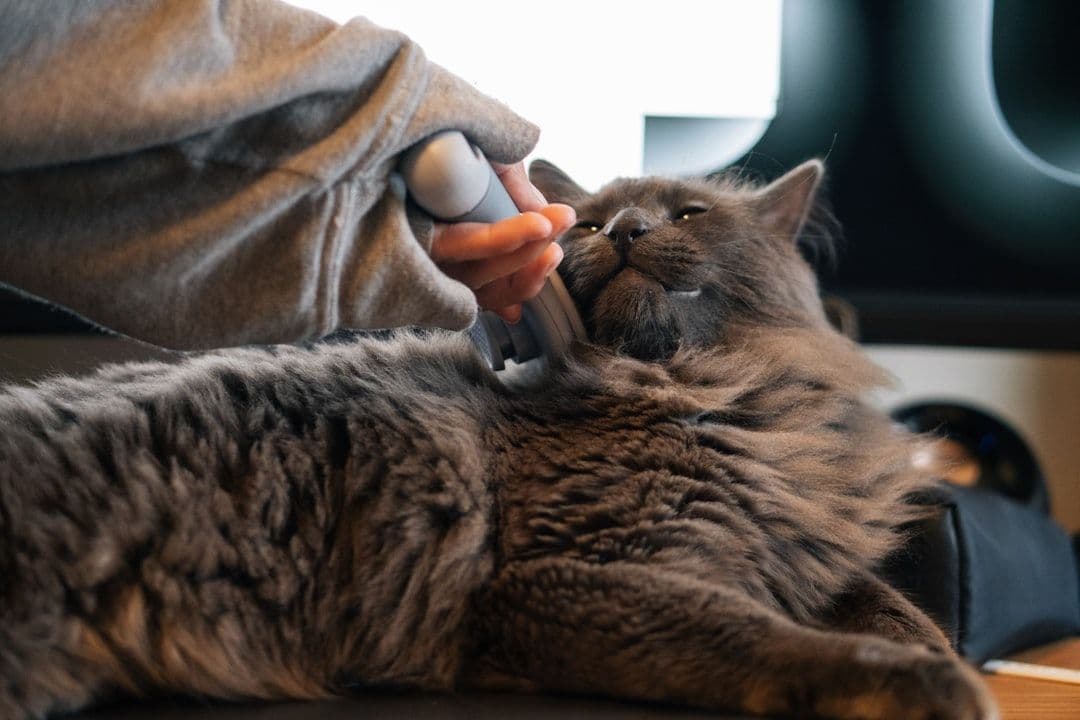
A vet guides a small laser over treatment areas in a brief, calm, painless session.
Evidence context
Early research looks promising, but evidence is still limited and it is not yet standard care.
See the evidence snapshotSafety
It is low-risk with a trained vet, but should never replace diagnosis for serious conditions.
See staying safeHistory & Origin
Animal Cold Laser Therapy provides pain relief and promotes healing in animals through low-level laser light.
Holistic and “integrative” approaches in veterinary medicine grew alongside similar movements in human healthcare, with increased interest in combining nutrition, rehabilitation, behavior support, and selected complementary modalities under veterinary oversight.
Mechanism
Animal Cold Laser Therapy is generally framed as a guided process for attention, reflection, learning, and emotional integration. Depending on the method, a practitioner may use conversation, imagery, structured exercises, body awareness, or therapeutic techniques to help the person explore patterns and choices. It should not be presented as a standalone solution or a substitute for urgent care, but it may support self-understanding when practiced within an appropriate scope. Cold laser therapy uses low-level light wavelengths (typically 600–1000 nanometers) that penetrate animal tissue without generating heat, allowing photons to interact with light-sensitive parts of cells and stimulate ATP production, which helps cells make energy.
Your first visit
A typical session outline to help you feel prepared
A gentle, non-invasive session where a low-level laser is applied to your pet's body to support comfort and wellness, typically lasting 15–30 minutes.
You'll share your pet's health background, current concerns, medications, and lifestyle with the practitioner so they can tailor the session appropriately.
The practitioner observes your pet's posture, movement, and comfort level, and gently palpates areas of concern to identify where the laser will be focused.
Your pet is helped into a comfortable position, often on a padded table or mat, and may be gently held or allowed to rest naturally to reduce stress.
Both you and the practitioner will be given protective eyewear to wear throughout the session, as cold laser light requires eye protection for everyone in the room.
The practitioner slowly moves a small handheld laser device over targeted areas of your pet's body, holding it close to the skin or coat without cutting or heat sensation.
Many animals relax, grow drowsy, or even fall asleep during the session as the low-level light is applied; some may shift position to lean into the device.
The device is switched off, protective eyewear is removed, and the practitioner checks in on how your pet responded throughout the treatment.
You'll receive recommendations on activity levels, follow-up session frequency, and any supportive wellness steps such as hydration, rest, or complementary care referrals.
The Evidence
What the research currently says about cold laser therapy in animals, and how to understand its role in a broader care plan.
Promising early findings, but research is still developing
Animal cold laser therapy has a growing body of veterinary research, particularly for pain and tissue recovery, but evidence quality varies by species, condition, and protocol. It is best understood as an adjunctive support rather than a standalone intervention.
Studies in dogs and horses show some support for cold laser therapy in managing musculoskeletal pain and supporting wound healing. Evidence in cats and other species is more limited. Methodological variation across studies makes direct comparison difficult, and large-scale controlled trials remain sparse. Current findings are encouraging but not yet conclusive.
In veterinary practice, cold laser is most commonly applied as part of a rehabilitation or pain management plan developed by a qualified veterinarian. It is not a substitute for professional assessment of injury, illness, or worsening symptoms. Protocols vary by condition, tissue depth, coat color, and species, and should be tailored by a trained practitioner.
Within holistic veterinary care, cold laser is frequently combined with rehabilitation exercises, nutritional support, and behavior strategies. This integrative framing reflects the MACH holistic category: supporting overall wellbeing rather than targeting a single symptom in isolation. The strength of this approach depends on the quality of the overall care plan.
Risks are low when protocols are followed, but direct exposure to laser light can harm eyes, so protective eyewear is standard practice. Cold laser should not be applied over active tumors, pregnant uteruses, or growth plates in young animals without veterinary guidance. It should never delay assessment of acute illness, severe pain, neurological signs, or rapidly worsening conditions.
The field lacks standardized treatment protocols, making it hard to compare results across studies or practitioners. Optimal wavelength, dosage, and session frequency are still being investigated. Inflated outcome claims sometimes appear in marketing contexts; current evidence supports cold laser as a useful adjunct, not a primary or universal solution.
Cold laser therapy should be administered or directly supervised by a licensed veterinarian or a certified veterinary rehabilitation practitioner. Training standards vary by country, so asking about credentials and experience with your animal's species and condition is reasonable. A good practitioner will integrate laser therapy within a broader assessment and care plan.
Safety first
General guidance to help you decide whether this approach is appropriate for you. This is informational only and not a substitute for medical, psychological, or professional advice.
Some situations call for extra care or a different approach. Share any conditions, injuries, or sensitivities with your practitioner before your first session.
If your animal is unwell, injured, recovering from surgery, or on medication, check with a qualified veterinarian before booking a session.
Look for clear boundaries, transparent pricing, and practitioners who avoid fear-based claims or pressure to book frequent sessions.
Watch your animal for tenderness, tiredness, or changes in behaviour afterwards, and contact the practitioner or your vet if anything seems off.
For you?
A simple, human way to weigh it up. This is general guidance, not personal medical advice — a qualified practitioner can advise on your situation.
Gyfts is a discovery platform, not a medical provider. Nothing here diagnoses, treats or replaces professional care. In an emergency, contact your local emergency number.
Explore approaches
Other practices people often explore alongside animal cold laser therapy.
In their words
FAQ
No. Holistic approaches are best used as supportive care alongside appropriate veterinary diagnosis and treatment, especially for new, severe, or worsening symptoms.
A recent veterinary history (diagnoses, medications), diet details, supplements, behavior notes, activity level, and any recent lab results or imaging reports.
Cold laser (low-level laser therapy) is used in veterinary practice for wound healing, post-surgical recovery, arthritis and joint pain, muscle and tendon injuries, and nerve regeneration. The photobiomodulation effect — where specific wavelengths of light stimulate cellular energy production — is the same mechanism used in human physiotherapy. It is painless, non-invasive, and typically takes 5–20 minutes per session. It is particularly used for chronic pain management in dogs and cats, and for performance horses with musculoskeletal issues.
Yes — when administered by a qualified practitioner with appropriate veterinary oversight, cold laser therapy is considered very safe for animals. The main precaution is protecting the eyes of both the animal and operator from direct laser exposure. It should not be applied over cancerous tissue. Treatment protocols should always be guided by or in consultation with a veterinary surgeon for animals with diagnosed conditions. Most animals tolerate it well and many appear to find it relaxing.
This depends on the condition being treated. Acute injuries often respond within 3–6 sessions over 1–2 weeks. Chronic conditions such as arthritis typically require an initial course of 6–10 sessions, often twice weekly, followed by monthly maintenance treatments. The practitioner will assess response and adjust frequency accordingly. Owners often report visible improvement in mobility and comfort within the first few sessions for pain-related presentations.
References
Educational sources that inform this overview. Inclusion is for context and does not imply endorsement.
Full citations are maintained by the Gyfts editorial team and reviewed periodically.
Keep exploring
Browse practitioners, explore honest overviews, and take what you learn to a conversation — at your own pace.