Before Your Pet's Appointment
Your pet needs no special preparation for cold laser therapy. They can eat normally beforehand and continue their usual medications unless your vet advises otherwise. Most practitioners prefer animals arrive slightly hungry, as treats help maintain cooperation during treatment.
Bring your pet's medical history, current medication list, and any recent diagnostic images. Dark-coloured coats absorb laser light differently than light ones, so mention your pet's colouring when booking — this affects treatment settings. If your animal is particularly anxious, discuss this during scheduling. Some clinics offer familiarisation visits where nervous pets can explore the treatment room without any procedures.
The Treatment Session
The session begins with your vet or qualified technician assessing your pet's condition and explaining the specific treatment plan. They'll position your animal comfortably — usually standing or lying on a padded table, though floor treatment works for larger dogs who prefer staying grounded.
The practitioner applies the laser probe directly to your pet's skin or holds it slightly above the fur. You'll see a red beam of light, though the therapeutic wavelengths themselves are invisible. The probe moves systematically across treatment areas, spending 30 seconds to several minutes per site depending on the condition's severity and tissue depth.
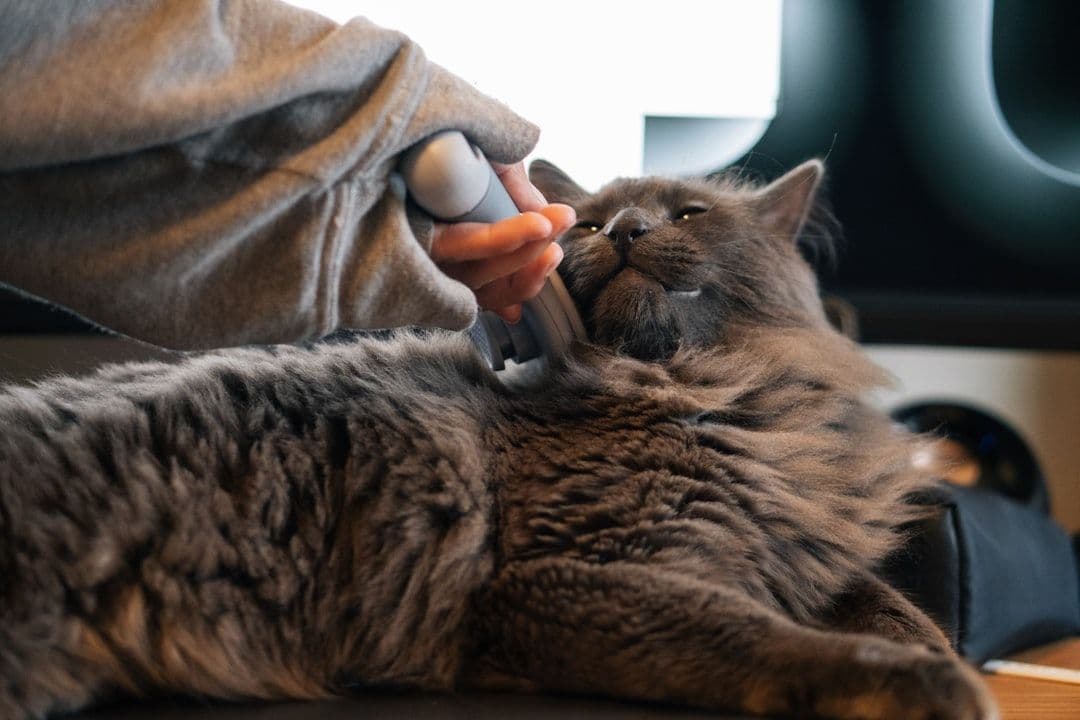
Most animals find the sensation pleasant — a gentle warmth rather than heat. You might notice your pet relaxing as endorphins release. Some animals even fall asleep during longer sessions. The entire treatment typically takes 5-20 minutes, varying with the number of areas treated and your pet's tolerance.
What Your Pet Might Experience
During treatment, most animals remain calm and still. You may notice your pet's breathing deepening as they relax. Some animals become drowsy, while others stay alert but comfortable. The laser produces a barely audible hum, and many pets quickly ignore this background sound.
Immediately after treatment, some animals show increased mobility or reduced stiffness, though dramatic improvements are uncommon after single sessions. Others appear unchanged initially. A small percentage may seem slightly more tired than usual for a few hours — this generally indicates the body's healing processes activating.
Over the following days, watch for gradual improvements: easier movement when rising, increased playfulness, or reduced reluctance to climb stairs. Changes often occur subtly. Keep a simple diary noting your pet's comfort levels and activity — patterns become clearer over time than single observations.
Aftercare and Recovery
Cold laser therapy requires minimal aftercare. Your pet can resume normal activities immediately unless your vet specifies restrictions related to their underlying condition rather than the laser treatment itself. Encourage gentle movement rather than complete rest — mobility helps maximise the therapy's benefits.
Maintain your pet's regular medication schedule unless instructed otherwise. Some animals drink more water following treatment, which supports the healing process. Avoid intense exercise for the remainder of the treatment day, allowing your pet's energy to focus on tissue repair.
Results typically become noticeable after 2-3 sessions, though this varies significantly between individuals and conditions. Acute injuries may respond quickly, while chronic conditions often require patience. If you see no improvement after 4-5 treatments, discuss alternative approaches with your practitioner.
Treatment Courses and Frequency
Most conditions require 6-8 sessions for optimal benefit, though some animals need more extensive courses. Acute injuries might resolve with 3-4 treatments, while chronic arthritis often benefits from ongoing maintenance therapy. Initial sessions usually occur 2-3 times weekly, spacing out as improvement occurs.
Your vet will adjust frequency based on your pet's response. Some animals maintain improvements with monthly sessions, while others need weekly treatments during flare-ups. Severe conditions may require twice-weekly sessions initially, reducing to maintenance levels.
Costs vary considerably by location and condition complexity, typically ranging from £40-80 per session. Many practices offer package deals for multiple treatments. Discuss realistic expectations and financial planning during your initial consultation — effective treatment requires commitment to the recommended course rather than sporadic sessions.