What Is Animal Neuro Myofascial Release?
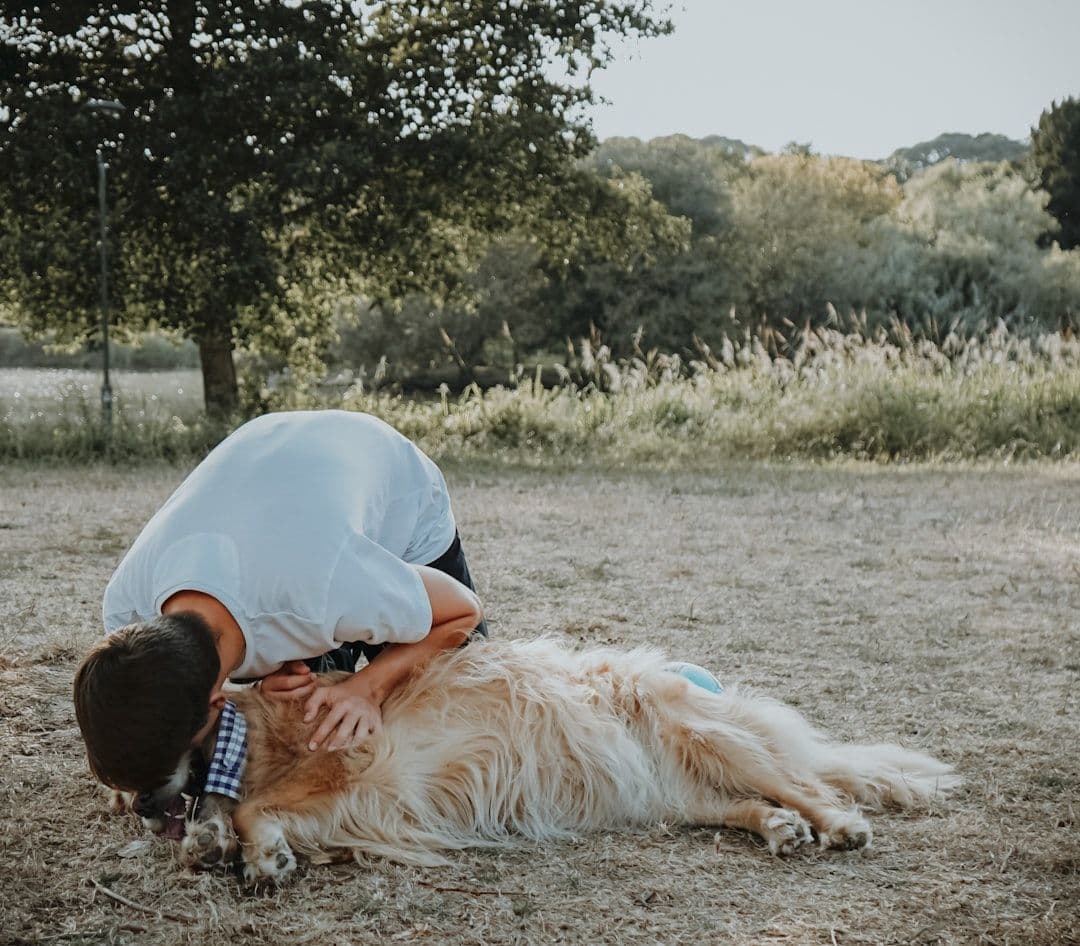
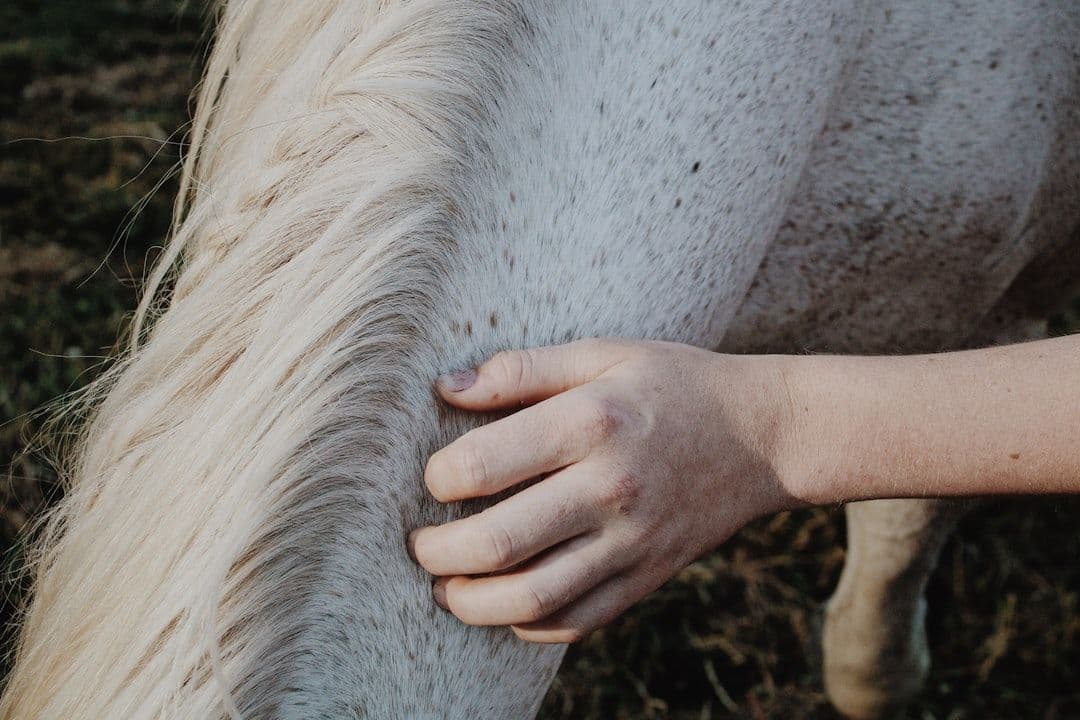
Watch a skilled ANMR practitioner at work and you'll see something that looks almost meditative. Their hands move slowly across an animal's body, applying gentle but sustained pressure to specific areas. The horse's breathing deepens. The dog's tense shoulders gradually soften. This is Animal Neuro Myofascial Release—a specialized hands-on therapy that targets the connective tissue web surrounding muscles, organs, and nerves in animals.
Unlike massage, which focuses on muscles, ANMR works with the fascia—the tough, flexible tissue that wraps around every structure in the body like a three-dimensional web. When this tissue becomes restricted through injury, overuse, or compensation patterns, it can create areas of tension that affect movement and cause discomfort. ANMR practitioners use their hands to detect these restrictions and apply sustained pressure to encourage the fascia to release, potentially restoring normal tissue mobility and reducing pain signals.
Origins and Development
ANMR emerged from the adaptation of human myofascial release techniques developed in the 1960s and 1970s by osteopaths and physiotherapists. The approach gained momentum in veterinary circles during the 1990s as practitioners recognized that animals, like humans, could benefit from fascial release techniques.
The technique evolved as animal therapists and veterinary rehabilitation specialists began adapting the sustained pressure techniques used in human practice for different animal anatomies and temperaments. Horses were among the first to receive this treatment, partly due to their size making fascial restrictions easier to palpate, and partly because of the performance demands placed on competition animals.
Today, ANMR is practiced by qualified animal therapists, veterinary physiotherapists, and some veterinarians who have completed additional training in manual therapy techniques. The approach has expanded beyond horses to include companion animals, working dogs, and even some exotic species in zoological settings.
The Fascial Framework
Within the ANMR framework, fascial restrictions develop when the connective tissue loses its normal flexibility and becomes adhered or thickened. This might occur after an injury, through repetitive strain, or as compensation for other musculoskeletal issues. Practitioners believe these restrictions create mechanical tension that can refer pain to distant areas and alter normal movement patterns.
From a biomedical perspective, the fascia is increasingly recognized as a complex sensory organ rich in nerve endings and mechanoreceptors. When practitioners apply sustained pressure, they may influence these receptors, potentially reducing pain signals and improving proprioception—the animal's awareness of body position and movement.
Research suggests that manual fascial techniques might work through several mechanisms: improving local blood flow, reducing inflammation markers, and potentially triggering neurological responses that decrease muscle tension and pain perception. However, the exact mechanisms remain incompletely understood, particularly in animal subjects.
Who Might Benefit
ANMR appears most beneficial for animals with chronic musculoskeletal conditions where fascial restrictions might be contributing to pain or movement limitations. This includes horses with back pain, dogs with hip dysplasia experiencing compensatory tension patterns, and cats with arthritis showing reduced mobility.
Performance animals often receive ANMR as maintenance therapy. Competition horses, agility dogs, and working animals may develop subtle fascial restrictions before they manifest as obvious lameness or performance issues. Regular sessions might help maintain optimal tissue health and movement quality.
Animals recovering from injury or surgery may also benefit when ANMR is integrated into their rehabilitation program. As tissues heal, fascial restrictions can develop around surgical sites or areas of compensation, potentially limiting full recovery of normal movement patterns.
A Typical Session
An ANMR session begins with observation—watching how the animal moves, stands, and responds to gentle palpation. The practitioner assesses posture, gait abnormalities, and areas of apparent sensitivity or restriction. This initial evaluation helps identify priority areas for treatment.
The hands-on work involves applying gentle, sustained pressure to identified restrictions. Unlike the flowing movements of massage, ANMR involves holding steady pressure for several minutes until the practitioner feels the tissue begin to soften or release. The pressure is typically light—just enough to engage the fascial layer without causing discomfort.
Sessions usually last 30-60 minutes, depending on the animal's size, temperament, and tolerance. Many animals visibly relax during treatment, with some even falling asleep. The practitioner continuously monitors the animal's responses, adjusting pressure or technique based on comfort levels and tissue response.
Evidence and Research Context
The evidence base for ANMR specifically remains limited, with most research focusing on human myofascial release techniques. Small studies in horses have suggested improvements in range of motion and behavioral indicators of comfort following treatment, but these studies typically involve small sample sizes without control groups.
Veterinary case reports describe positive outcomes in animals with various musculoskeletal conditions, but this anecdotal evidence, while valuable, cannot establish definitive clinical efficacy. The challenge lies in conducting rigorous research with animals—measuring subjective improvements like pain relief is complex when subjects cannot self-report their experiences.
Research into fascial biology has expanded our understanding of how these tissues might respond to manual therapy, but translating findings from human studies to animal applications requires caution given anatomical and physiological differences between species.
Finding Qualified Practitioners
ANMR should only be performed by qualified professionals with specific training in animal anatomy and manual therapy techniques. Look for practitioners who are registered with professional bodies such as the National Association of Animal Therapists (NAAT) or similar organizations in your region.
Veterinary physiotherapists represent the most highly qualified practitioners, typically holding both veterinary or human physiotherapy qualifications plus additional animal-specific training. Some veterinarians also offer ANMR after completing manual therapy courses, while qualified animal massage therapists may incorporate fascial release techniques into their practice.
Session costs typically range from $40-80 for companion animals, with larger animals like horses commanding fees of $60-120 per session. Treatment frequency varies considerably—some animals benefit from weekly sessions during active rehabilitation, while others receive monthly maintenance treatments. Always ensure your practitioner works with veterinary approval, particularly for animals with diagnosed conditions or recent injuries.