What it is
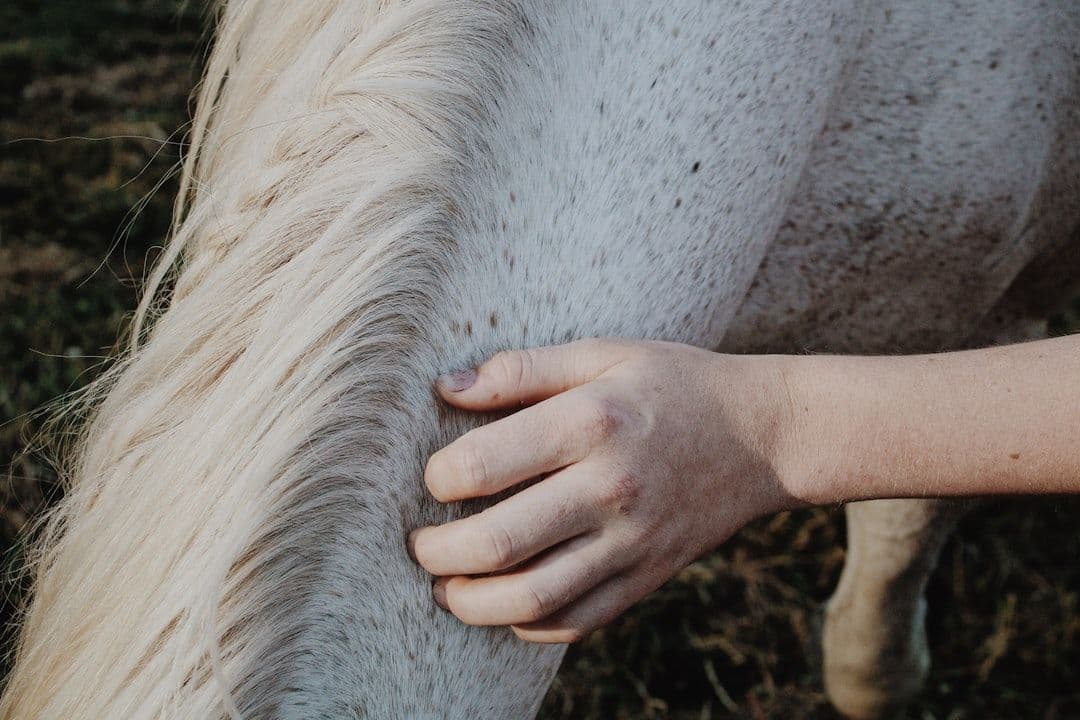
ANMR is hands-on therapy that releases tight connective tissue to ease animal movement.
Animal cold laser therapy (photobiomodulation) uses low-level light to modulate tissue processes and is commonly applied as an adjunct in...
At a glance
What it is
ANMR is hands-on therapy that releases tight connective tissue to ease animal movement.
Why explore it
It may help pets with arthritis, post-surgery recovery, or stiffness alongside veterinary rehab care.
How it’s experienced
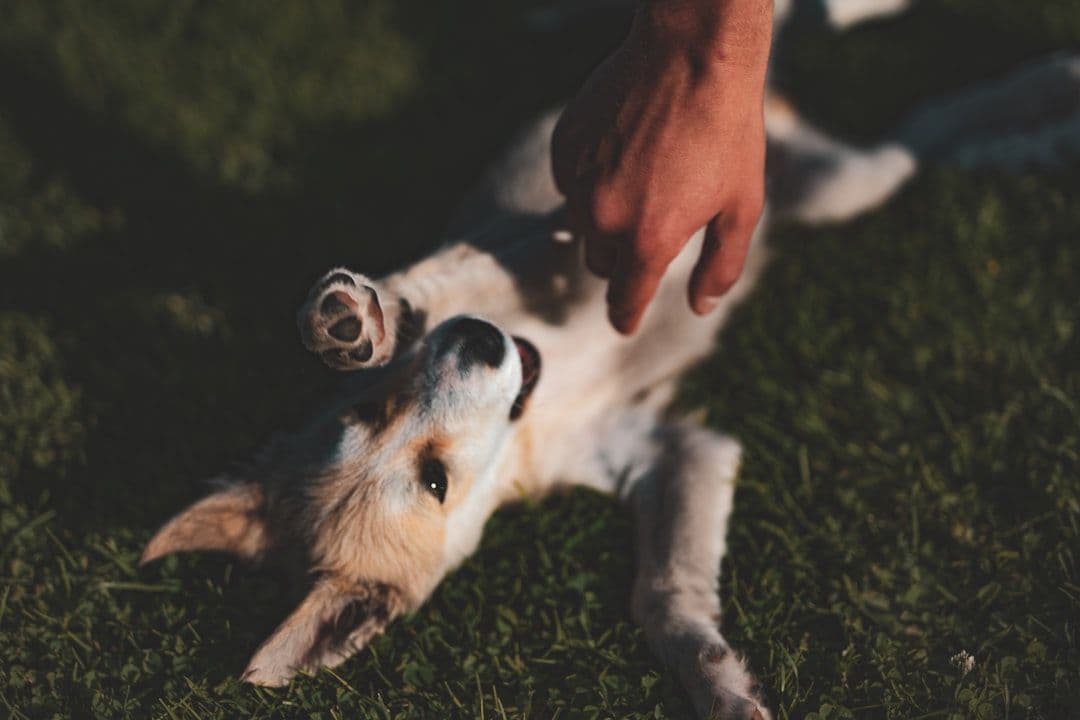
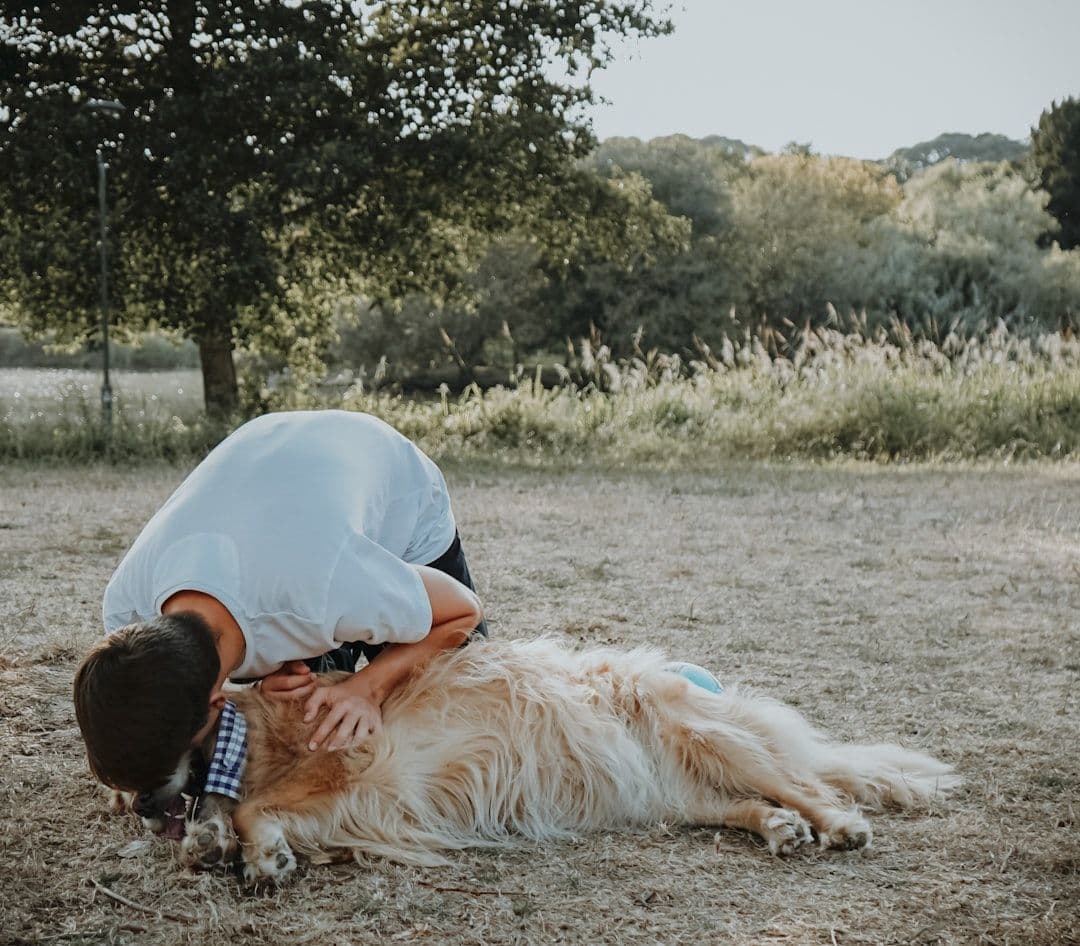
A practitioner applies gentle sustained pressure, and many animals visibly relax during the calm session.
Evidence context
Early research shows promise, but ANMR works best as a complement to your veterinarian's treatment plan.
See the evidence snapshotSafety
Low risk with a qualified provider, though acute pain or suspected fractures need veterinary attention first.
See staying safeHistory & Origin
ANMR focuses on releasing tension in the myofascial tissues of animals to improve mobility and relieve pain.
Photobiomodulation developed from low-level laser research in human medicine and was later adopted in veterinary rehab and sports medicine as portable devices became more available and protocols expanded for soft tissue and pain applications.
Mechanism
Animal Neuro Myofascial Release (ANMR) is generally described as working through skilled touch, careful pacing, and the body's response to pressure, movement, warmth, or stillness. Practitioners may focus on muscle tone, joint comfort, circulation, breath, or relaxation depending on the method. Traditional explanations may also include energy flow or whole-person balance. Research support varies by modality, so the experience is best framed as supportive care with outcomes that vary. Animal Neuro Myofascial Release applies sustained, gentle manual pressure to restricted fascia and muscle tissue in animals, aiming to release adhesions and restore tissue mobility.
Your first visit
A typical session outline to help you feel prepared
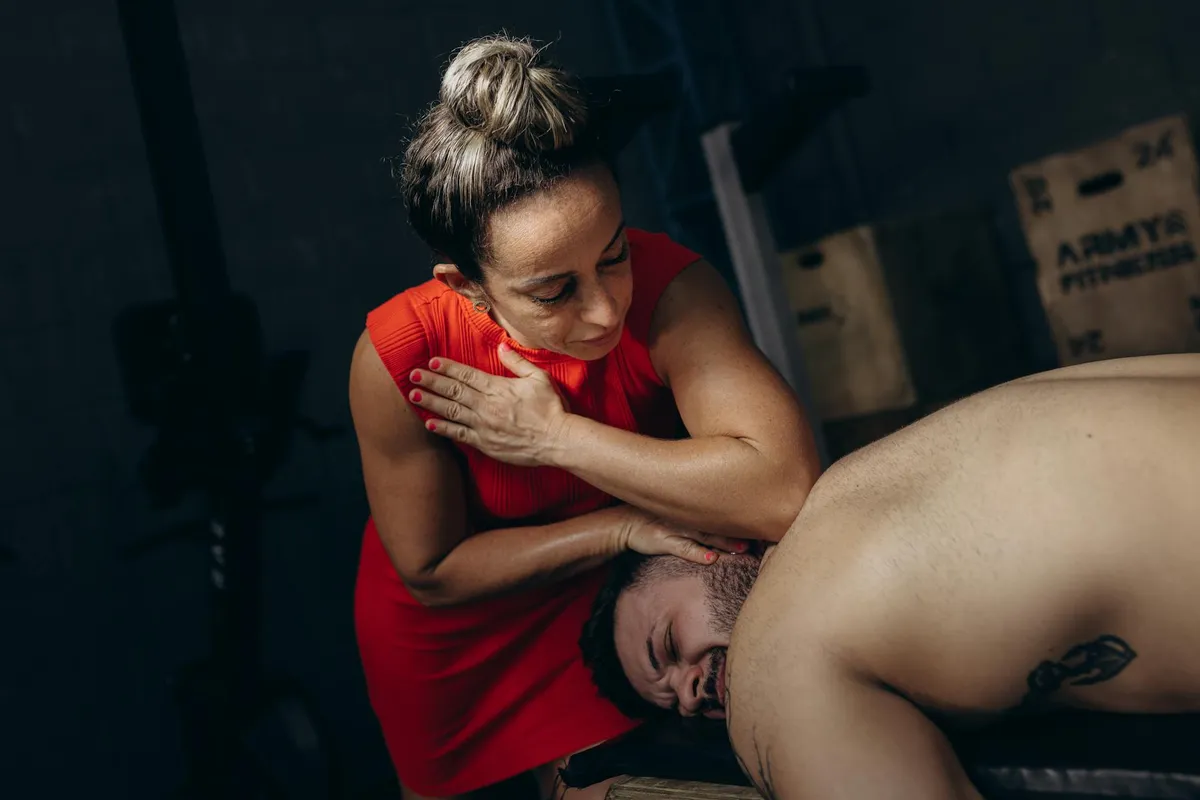
A hands-on session blending neurological and myofascial techniques to support your body's natural ease and movement through gentle, targeted manual work.
Your practitioner begins by reviewing your health history, movement concerns, and any areas of tension or discomfort, so the session can be thoughtfully tailored to your needs.
You'll be observed standing and moving so the practitioner can notice patterns in your posture, gait, and how your fascial system may be influencing your movement and comfort.
You'll lie on a comfortable treatment table, fully clothed in loose, comfortable clothing, while the practitioner takes a moment to tune into your nervous system's baseline tone before beginning.
Using light, sustained hand contact, the practitioner slowly traces lines of tension through your fascia, identifying areas where tissue feels restricted, dense, or holding guarded patterns.
Gentle, slow pressure is applied to restricted fascial areas without forcing movement, allowing the tissue to soften and release at its own pace — you may feel warmth, subtle unwinding, or a sense of spaciousness.
The practitioner uses specific touch cues to engage your nervous system, encouraging the brain to update its map of areas that have been holding tension, which can feel like a quiet settling or gentle pulsing.
Movement and posture are gently reassessed to notice any shifts, and you're guided through a few moments of stillness to let your nervous system integrate the changes.
Your practitioner shares simple movement suggestions or self-care tips to support what was explored in the session, and discusses a plan for follow-up sessions if appropriate.
The Evidence
What the current research says about Animal Neuro Myofascial Release and how it fits within a broader care approach.
Promising early support, but formal research is limited
ANMR draws on established principles from human myofascial and manual therapy, but dedicated veterinary research is still in early stages. Practitioner experience and case-based evidence currently outpace controlled study data.
No large controlled trials specific to ANMR have been identified at this time. Related fields such as animal massage and veterinary rehabilitation provide some supporting context, and myofascial principles are increasingly recognised in veterinary practice. Evidence is best described as emerging, and claims beyond general comfort and mobility support should be viewed cautiously.
Rooted in a holistic view of animal physiology, ANMR considers how tension in one area of the fascial network may influence movement and comfort elsewhere. This whole-body perspective aligns with integrative veterinary rehabilitation, where addressing interconnected tissue restrictions is seen as complementary to conventional care rather than a standalone intervention.
Practitioners commonly incorporate ANMR alongside veterinary physiotherapy, hydrotherapy, or post-surgical recovery plans. It is not positioned as a primary intervention for acute or serious conditions. Veterinary oversight is important to ensure the approach is appropriate for the individual animal's health status and that underlying conditions are properly assessed.
The technique involves gentle manual pressure and is generally considered low risk for most animals. Caution is advised around areas of acute injury, suspected fracture, active infection, or undiagnosed masses. Animals showing signs of acute severe pain, rapid deterioration, or unexplained lameness should receive veterinary assessment before any adjunctive manual therapy is considered.
ANMR is not yet regulated under a single international standard. When seeking a practitioner, it is reasonable to ask about their training background, experience with the specific species, and whether they work in collaboration with a veterinarian. A practitioner who communicates openly with your animal's vet and avoids inflated outcome claims is a positive indicator of responsible practice.
ANMR is not a substitute for professional veterinary assessment, and its benefits for specific conditions have not been established through robust clinical trials. Individual animal responses vary, and outcomes reported in practice may not reflect what controlled research would confirm. Maintaining realistic expectations and keeping your veterinarian informed supports the safest and most effective use of this approach.
Safety first
General guidance to help you decide whether this approach is appropriate for you. This is informational only and not a substitute for medical, psychological, or professional advice.
Some situations call for extra care or a different approach. Share any conditions, injuries, or sensitivities with your practitioner before your first session.
If you are pregnant, managing a health condition, recovering from injury or surgery, or taking medication, consult a qualified healthcare professional first.
Look for clear boundaries, transparent pricing, and practitioners who avoid fear-based claims or pressure to book frequent sessions.
Mild, short-lived effects such as tenderness, tiredness, or temporary soreness can occur. Rest, hydrate, and tell your practitioner how you respond.
For you?
A simple, human way to weigh it up. This is general guidance, not personal medical advice — a qualified practitioner can advise on your situation.
Gyfts is a discovery platform, not a medical provider. Nothing here diagnoses, treats or replaces professional care. In an emergency, contact your local emergency number.
Explore approaches
Other practices people often explore alongside animal neuro myofascial release (anmr).
In their words
FAQ
No. Photobiomodulation uses low-level light for tissue modulation and is distinct from high-power surgical lasers used for cutting or ablation.
Response varies. Some animals show short-term comfort changes, but many protocols evaluate effects over multiple sessions alongside rehab and veterinary pain management.
ANMR is a specialised manual therapy technique for animals that combines principles from myofascial release and neuromuscular therapy. It works with the fascial network — the connective tissue that surrounds and interconnects all muscles, organs, and structures — to release restrictions that affect movement, posture, and neurological function. By applying sustained, gentle pressure to specific fascial restrictions and trigger points, ANMR aims to restore mobility, reduce pain, and improve neurological communication between the body and brain.
ANMR is most commonly used for horses and dogs, and is particularly suited to: post-injury or post-surgical rehabilitation, chronic musculoskeletal pain, movement asymmetry or gait abnormality, behavioural changes related to physical discomfort, performance enhancement in sport animals, and age-related mobility decline. It is also used for animals showing signs of neurological compromise — weakness, incoordination, or altered proprioception. Veterinary referral is recommended before treatment of animals with diagnosed neurological or orthopaedic conditions.
Response varies by condition. Many animals show visible improvement in movement and behaviour after the first 1–2 sessions. A typical initial course is 3–6 sessions over several weeks, followed by reassessment. Chronic conditions often benefit from monthly maintenance. The practitioner will assess response at each session and adjust the treatment frequency and focus accordingly. ANMR is typically more effective when combined with appropriate veterinary care and a structured rehabilitation programme.
References
Educational sources that inform this overview. Inclusion is for context and does not imply endorsement.
Full citations are maintained by the Gyfts editorial team and reviewed periodically.
Keep exploring
Browse practitioners, explore honest overviews, and take what you learn to a conversation — at your own pace.