What Actually Happens During Aura Cleansing
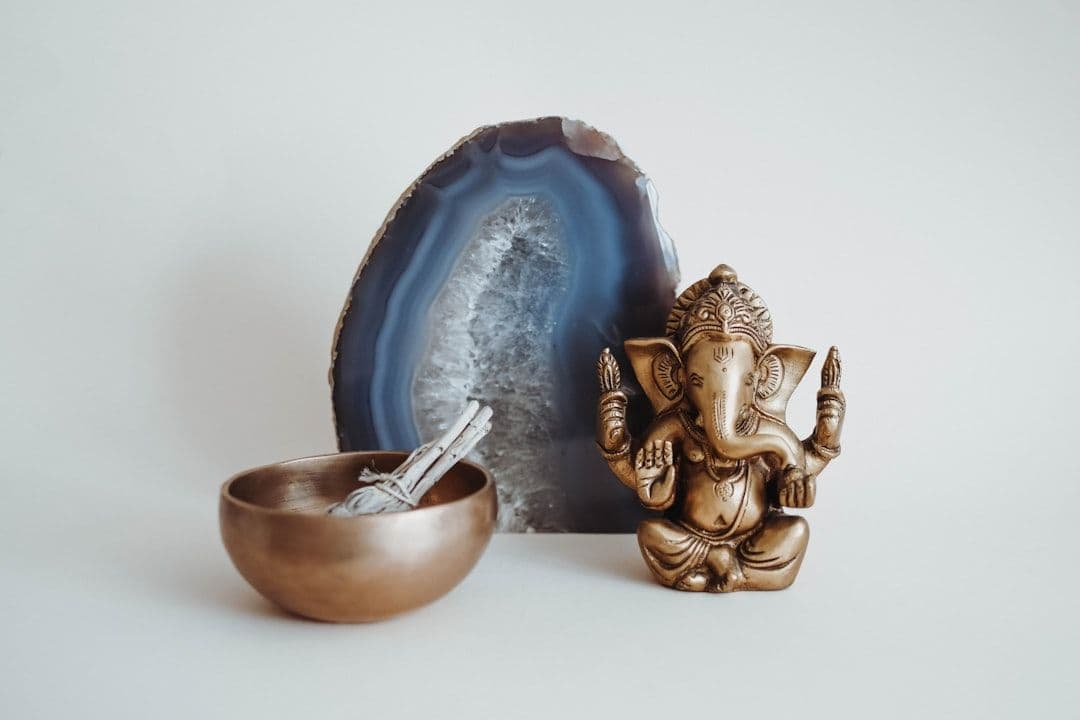
Picture yourself lying fully clothed on a treatment table while a practitioner moves their hands several inches above your body, never quite touching. They might hold a piece of amethyst above your chest, ring Tibetan singing bowls around your head, or waft sage smoke across your limbs. You're not receiving a massage or acupuncture—instead, someone is working with what many spiritual traditions understand as your aura, the electromagnetic field believed to extend beyond your physical body.
Within these frameworks, your aura functions rather like an energetic fingerprint, constantly shifting in response to your emotions, experiences, and environment. Practitioners suggest that negative experiences, stress, or difficult emotions can create 'blockages' or 'heaviness' in this field, much like dust settling on furniture. Aura cleansing aims to clear this accumulated energetic residue, potentially leaving you feeling lighter, more balanced, or emotionally clearer.
The practice draws from various spiritual traditions that recognize subtle energy systems around the body. Whether using crystals placed on specific points, sound frequencies designed to 'reset' your energy, or visualization techniques where both you and the practitioner imagine light moving through your field, the intention remains consistent: to restore what practitioners describe as your natural energetic balance.
Roots in Ancient Energy Traditions
Aura cleansing emerges from spiritual traditions spanning thousands of years, many of which recognized luminous fields around living beings long before modern photography attempted to capture them. Hindu and Buddhist teachings describe the subtle body's energy layers, while Traditional Chinese Medicine maps qi flowing through meridians that extend beyond physical boundaries. Indigenous shamanic practices worldwide include techniques for clearing spiritual contamination or negative influences from a person's energy field.
In the West, interest in aura work gained momentum during the 19th century spiritualist movement, when mediums claimed to perceive colored emanations around people. This evolved through the New Age movement of the 1960s and 70s, which synthesized Eastern concepts with Western metaphysical ideas. Modern aura cleansing often blends elements from these various traditions—Sanskrit concepts of chakras, Native American smudging practices, crystal healing from multiple cultures, and sound healing techniques developed across civilisations.
Today's practitioners typically train within specific lineages or schools that teach particular approaches to energy work. Some focus on Reiki-influenced techniques, others on shamanic methods, while many develop eclectic practices combining elements that resonate with their understanding of subtle energy. This diversity reflects aura cleansing's evolution as a practice that adapts across cultures while maintaining core principles about clearing and balancing personal energy fields.
How Practitioners Understand Energy Clearing
Within the aura cleansing framework, your electromagnetic field contains layers of energy corresponding to physical, emotional, mental, and spiritual aspects of your being. Practitioners often describe seeing or sensing areas where energy appears dense, cloudy, or stagnant—perhaps around your heart area after relationship difficulties, or surrounding your head during periods of mental stress. They understand their role as facilitating movement in these stuck patterns.
The clearing process typically involves the practitioner's intention combined with specific tools and techniques. Crystals are chosen for their believed energetic properties—rose quartz for emotional healing, black tourmaline for protection, clear quartz for amplification. Sound healing uses frequencies thought to disrupt stagnant patterns, while smoke cleansing with sage, palo santo, or other herbs is understood to carry away negative energies. Many practitioners also employ visualization, imagining white or golden light moving through your aura to dissolve blockages.
From a biomedical perspective, the mechanisms proposed by these traditions haven't been demonstrated through clinical research. However, some practitioners suggest their work may influence the nervous system through relaxation responses, or that the ritual aspects provide psychological benefits similar to meditation or mindfulness practices. The setting, attention, and intention involved in aura cleansing may activate the body's natural relaxation response, potentially supporting emotional wellbeing through established stress-reduction pathways.
What to Expect in a Session
Most aura cleansing sessions begin with a brief consultation where your practitioner asks about your current concerns, emotional state, or areas where you feel energetically 'heavy'. You'll typically remain fully clothed and either lie on a treatment table or sit comfortably while they work around your energy field. Sessions usually last 45-90 minutes and often feel deeply relaxing, with many people reporting a meditative quality to the experience.
Your practitioner might begin by 'scanning' your aura with their hands, moving them slowly around your body at a distance while sensing for areas that feel different—perhaps cooler, warmer, or somehow 'sticky'. They'll then use their chosen techniques, which might include placing crystals on or around your body, ringing singing bowls at specific frequencies, or moving their hands through your field while visualizing light clearing away blockages. Some practitioners incorporate breathwork, gentle chanting, or guided imagery to enhance the clearing process.
Many people describe feeling waves of relaxation, tingling sensations, or emotional releases during sessions. Some report seeing colors behind closed eyes, feeling suddenly lighter, or experiencing memories or insights arising spontaneously. Others simply enjoy the peaceful, meditative quality of receiving focused, caring attention. Practitioners often conclude by 'sealing' your aura with protection visualizations and may suggest simple home practices like visualizing white light around yourself or carrying specific crystals to maintain your energetic clarity between sessions.
Finding the Right Practitioner
Aura cleansing practitioners come from diverse backgrounds, and training varies significantly since no standardized certification exists for this work. Look for practitioners who can clearly explain their approach, training background, and the specific tradition or lineage they follow. Many have studied Reiki, shamanic practices, crystal healing, or energy medicine programs, while others may be intuitive healers who developed their abilities through personal experience and mentorship.
In the UK, some aura cleansing practitioners register with the Complementary & Natural Healthcare Council (CNHC) under related categories like energy healing or spiritual healing. Others might be members of organizations like the Federation of Holistic Therapists (FHT) or the UK Healers Network. However, membership in these bodies doesn't guarantee specific aura cleansing training, so it's important to ask directly about their background in energy field work.
Expect to pay £40-80 for individual sessions, with many practitioners offering package deals for multiple visits. Sessions are typically spaced 1-2 weeks apart initially, then monthly for maintenance, though frequency depends on your preferences and the practitioner's recommendations. Trust your instincts when choosing someone—a good practitioner should create a safe, respectful space, explain what they're doing, and never make claims about curing medical conditions. They should also respect your boundaries and stop immediately if you feel uncomfortable with any aspect of the session.