Preparing for Your Session
Wear comfortable, loose-fitting clothes in natural fabrics if possible—cotton or linen allow you to feel more connected to the process. Avoid wearing heavy jewelry or watches, as some practitioners prefer to work with minimal metal interference. Bring a water bottle, as you may feel thirsty afterwards.
Eat lightly beforehand rather than arriving on a full stomach. Many practitioners suggest avoiding alcohol for 24 hours prior, as this can affect your energetic sensitivity. If you're particularly analytical by nature, try to approach the session with curiosity rather than skepticism—while outcomes aren't scientifically measurable, openness tends to enhance the experience.
Arrive a few minutes early to settle in. Some practitioners begin with a brief discussion about what you hope to address—perhaps feelings of being energetically heavy, emotionally stuck, or spiritually disconnected.
The Cleansing Process
You'll typically lie on a massage table fully clothed, though some practitioners work with you seated in a chair. The practitioner begins by 'scanning' your energy field, moving their hands several inches above your body without touching. They may describe sensing areas of density, coolness, or energetic blockages.
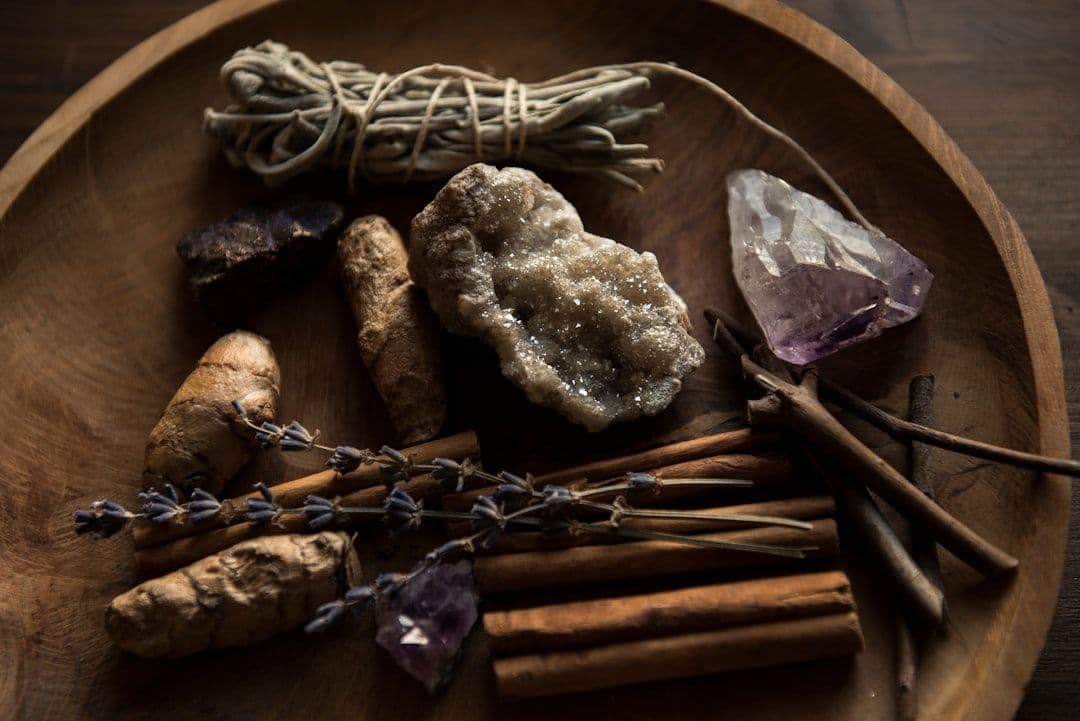
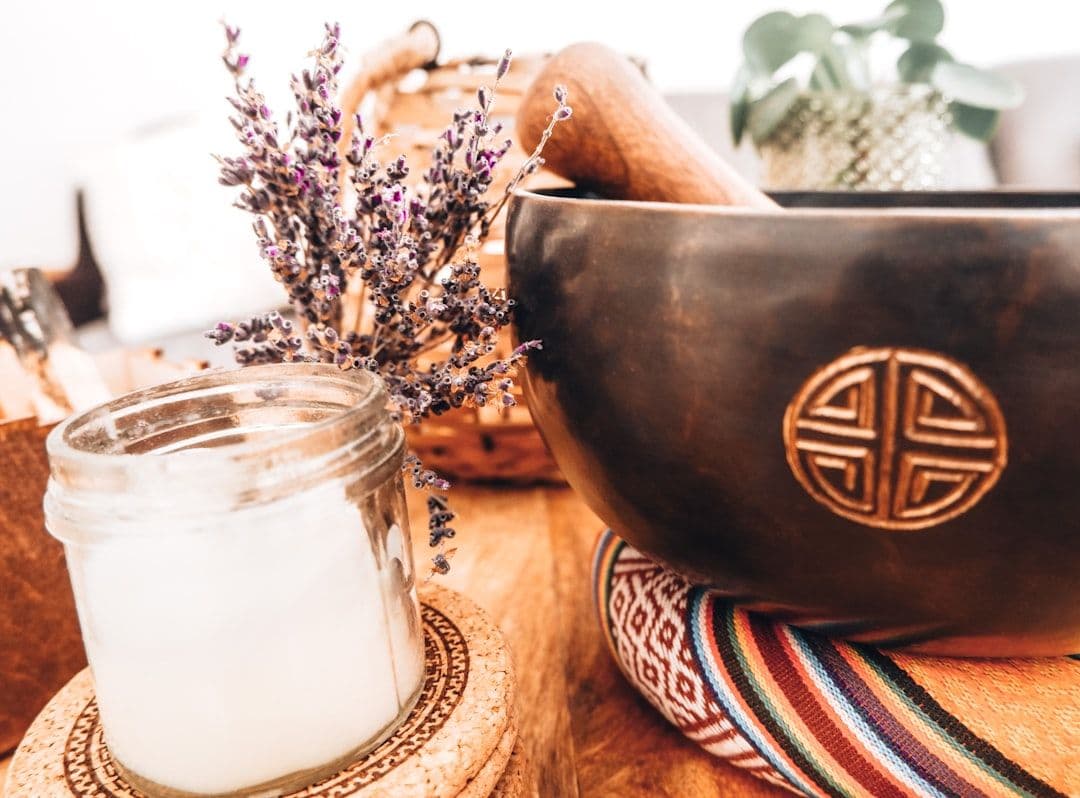
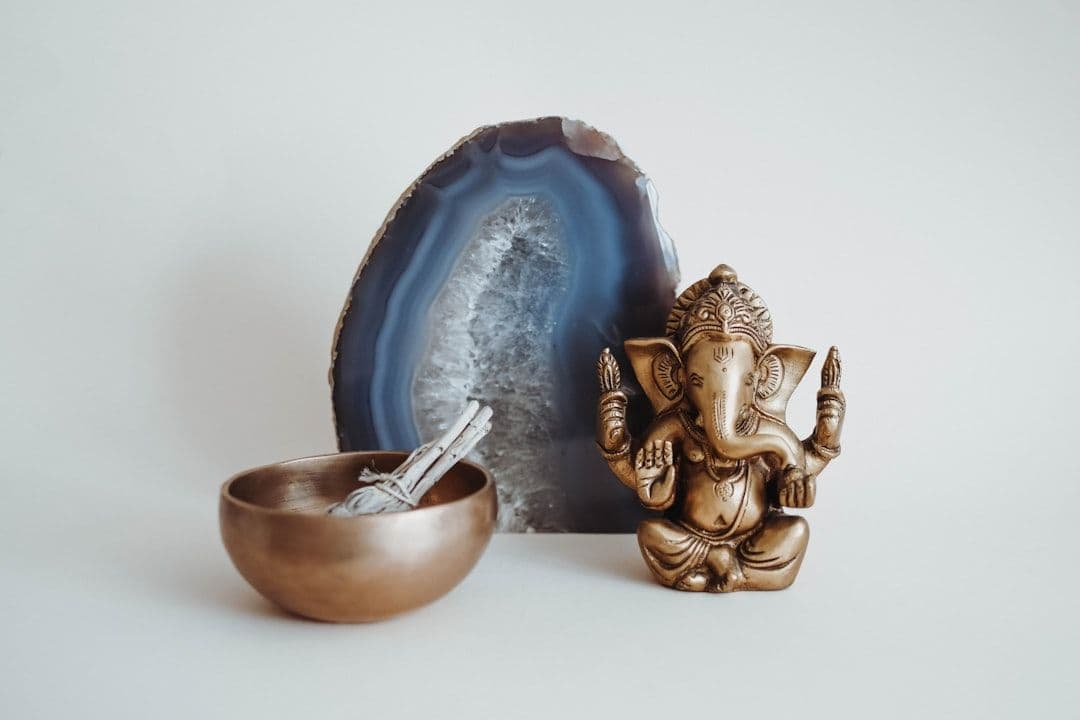
The cleansing itself combines various techniques. Many practitioners use crystals—placing them on or around your body, or moving them through your aura. You might hear the gentle chiming of Tibetan singing bowls, tuning forks, or bells, as sound is believed to shift energy patterns. Some sessions include sage smudging, where aromatic smoke is wafted around you.
Visualization plays a central role. Your practitioner may guide you through imagery—perhaps imagining white light flowing through you, or roots growing from your feet into the earth. They might work with chakra colors, focusing on different energy centers. The process feels meditative, with long periods of quiet punctuated by gentle guidance.
Sessions typically last 60 to 90 minutes, though initial appointments may run longer to include discussion of your energy patterns and aftercare guidance.
What You Might Experience
Experiences vary dramatically between individuals and sessions. Many people report deep relaxation, similar to meditation or gentle massage. You might feel warmth, tingling, or subtle energy movements, though others notice very little physical sensation during the session itself.
Emotional responses are common. Some people feel unexpectedly tearful as they release stored emotions, while others experience lightness or relief. You may find memories surfacing, or simply drift into a peaceful, dream-like state. Occasionally people report seeing colors behind closed eyelids or sensing the practitioner's presence even when they're working silently.
After the session, many describe feeling 'clearer' or 'lighter'—though defining this precisely can be challenging. Others report improved sleep, greater emotional equilibrium, or a sense of spiritual renewal over the following days. Some people notice little immediate change but feel more centered over time.
Not everyone resonates with the experience, and this is entirely normal. The subjective nature of energy work means responses are highly individual and influenced by your spiritual beliefs and current life circumstances.
Aftercare and Integration
Drink plenty of water following your session, as many practitioners believe this supports the energetic clearing process. Avoid intense physical activity or emotionally challenging situations for a few hours if possible—think of it as giving yourself space to integrate the experience.
Some people feel more emotionally sensitive for 24-48 hours afterwards. This might manifest as vivid dreams, increased intuition, or feeling more affected by others' moods. These responses are considered part of the clearing process within this tradition.
Journal about your experience while it's fresh. Note any shifts in mood, sleep patterns, or general wellbeing over the following week. Many practitioners recommend gentle activities that support your intentions—meditation, nature walks, or creative expression.
Avoid making major life decisions immediately after intense sessions, as some people report feeling temporarily 'open' or less grounded than usual.
Building a Programme
Most practitioners recommend an initial series of 3-6 sessions spaced 1-2 weeks apart, particularly if you're addressing long-standing emotional patterns or spiritual concerns. This allows time to observe changes while maintaining momentum.
After this foundation period, many people schedule maintenance sessions monthly, seasonally, or whenever they feel energetically 'heavy'. Life transitions, stressful periods, or feeling spiritually disconnected often prompt people to return.
Some practitioners offer group cleansing circles or seasonal ceremonies, which can provide ongoing community support for your spiritual practice. Others integrate aura cleansing with complementary approaches like crystal healing, Reiki, or chakra balancing.
The frequency that feels right is highly personal and often guided by your intuition and life circumstances rather than a prescribed protocol. Many people find that their sensitivity to energy shifts develops over time, helping them recognize when they might benefit from another session.