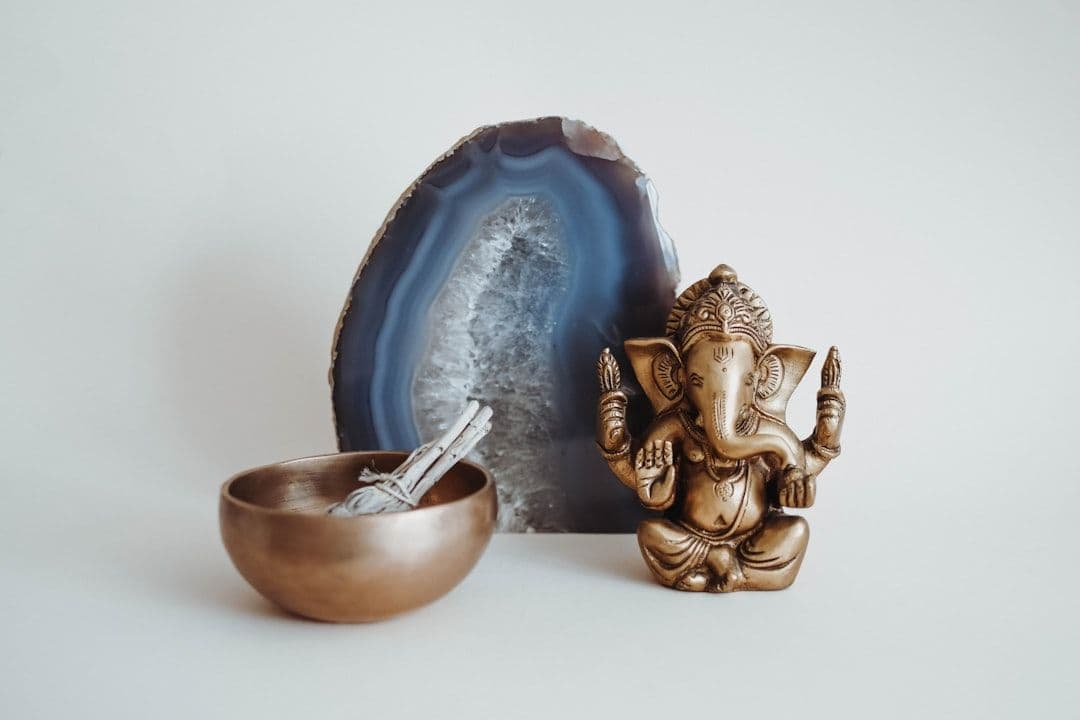
What it is
A spiritual practice that clears negative energy from your body's biofield using sage, sound, or crystals.
Aura cleansing is a spiritual practice that aims to clear negative energy from the electromagnetic field believed to surround the body

At a glance
What it is
A spiritual practice that clears negative energy from your body's biofield using sage, sound, or crystals.
Why explore it
Many seek it for stress relief, emotional clarity, or energetic renewal during life's big transitions.
How it’s experienced
Expect gentle hand movements, crystals, or sage smoke near your body, no touch, most leave feeling calm.
Evidence context
Rooted in ancient tradition, aura cleansing lacks scientific backing and is best viewed as spiritual wellness.
See the evidence snapshotSafety
Low-risk with no substances or manipulation, though keep up any conventional care you already rely on.
See staying safeHistory & Origin
Aura Cleansing involves clearing negative energy from the aura to improve emotional and spiritual health.
The concept of the aura has ancient roots spanning multiple cultures and spiritual traditions. Hindu and Buddhist texts dating back thousands of years describe energy fields surrounding living beings, while ancient Greek philosophers like Pythagoras wrote about luminous bodies enveloping humans. Christian iconography depicting halos around saints also reflects similar beliefs about spiritual energy fields. Traditional Chinese medicine and Ayurveda have long incorporated concepts of energy flow and cleansing practices.
Modern aura cleansing practices emerged during the 19th and 20th centuries as part of the broader New Age movement. Theosophists like Helena Blavatsky and Charles Leadbeater popularized Western interpretations of Eastern energy concepts, while spiritualists claimed to see and photograph auras using techniques like Kirlian photography. The practice gained wider acceptance during the counterculture movement of the 1960s and 1970s.
Contemporary aura cleansing draws from diverse traditions including Native American smudging ceremonies, crystal healing practices, and sound therapy techniques. Practitioners today often combine elements from various cultural traditions, adapting ancient practices for modern spiritual seekers. The rise of holistic wellness culture and alternative healing modalities has further integrated aura cleansing into contemporary complementary health practices.
Mechanism
Aura Cleansing is best framed as a traditional, symbolic, energetic, reflective, or spiritual practice rather than a validated medical mechanism. Practitioners may use ritual, attention, sound, imagery, touch-free work, cards, symbols, prayer, or intention to support meaning-making and a sense of connection. People may explore it for reflection, calm, or spiritual context, while health claims should remain cautious and personal. Aura Cleansing operates on the principle that the body is surrounded by an energetic field that can accumulate negative patterns, emotional residue, or spiritual blockages over time.
Your first visit
A typical session outline to help you feel prepared
A practitioner moves around your fully clothed body using tools like crystals, sage, or sound to clear heavy or stagnant energy from your aura, leaving you feeling lighter and more centered.
Your practitioner greets you and asks a few questions about what's been feeling heavy or off lately, helping them understand which areas of your energy field to focus on.
The room is prepared with dim lighting, calming music, and sometimes burning sage or palo santo to create a clear, intentional environment before your session begins.
You'll be invited to stand or lie down fully clothed on a table or mat while the practitioner takes a moment to center themselves and set a clear intention for your session.
The practitioner slowly moves their hands a few inches above your body, sensing for areas where your energy feels dense, blocked, or uneven without making direct physical contact.
Using crystals, sage smoke, sound tools like singing bowls, or intentional hand movements, the practitioner works to sweep and release stagnant energy from around your body and energy field.
Once clearing is complete, the practitioner smooths and seals your aura using gentle sweeping motions or crystals, helping your energy field feel whole and replenished.
You're gently guided back to full awareness, given a moment to breathe, and encouraged to wiggle your fingers and toes before sitting up slowly.
Your practitioner shares any observations from the session and suggests simple aftercare like drinking water, spending time in nature, or resting to help your energy continue to settle.
The Evidence
What research and tradition say about aura cleansing, and how to approach it with informed expectations.
A spiritual practice with no scientific evidence base
Aura cleansing is rooted in spiritual and cultural tradition rather than empirical research. No peer-reviewed evidence supports the existence of auras or measurable effects from energy field clearing, though some associated practices like meditation may offer independent wellbeing benefits.
The concept of an aura as a detectable energy field surrounding the body is not recognised in mainstream science. Aura cleansing belongs to a metaphysical tradition where meaning, intention, and spiritual experience are central. Engaging with it on its own terms — rather than expecting clinical outcomes — reflects a more honest understanding of what it offers.
Scientific research has not validated auras as measurable phenomena, and no studies isolate aura cleansing as an effective intervention. Some components used in sessions — such as meditation, breathwork, or sound — have independent evidence for relaxation and stress reduction. Any benefits are likely attributable to these elements, not energy field manipulation.
Hindu, Buddhist, and ancient Greek traditions all described energy surrounding living beings. Christian iconography depicting halos reflects similar ideas. Modern aura cleansing draws from Theosophical movements of the 19th century and gained wider reach through the New Age movement. Its longevity reflects cultural and spiritual significance, not scientific validation.
Dedicated time for reflection, practitioner attention, and intentional ritual can support a sense of calm and emotional processing. These elements are common to many supportive practices. People who find meaning in aura cleansing often report feeling lighter or more settled afterward — experiences worth acknowledging, even without a scientific mechanism to explain them.
The practice involves no physical manipulation or ingested substances, making it generally low-risk. Those with serious mental or physical health conditions should maintain professional care and treat this as complementary, not a substitute for professional assessment. Be cautious of practitioners making inflated outcome claims or pressuring costly ongoing commitments.
Practitioners vary widely in training, background, and approach. Look for someone who respects personal boundaries, does not claim to assess or resolve medical conditions, and is transparent about what the session involves. A trustworthy practitioner will support — not discourage — your engagement with qualified healthcare professionals.
Safety first
General guidance to help you decide whether this approach is appropriate for you. This is informational only and not a substitute for medical, psychological, or professional advice.
If you are pregnant, managing a health condition, recovering from injury or surgery, or taking medication, consult a qualified healthcare professional first.
Some situations call for extra care or a different approach. Share any conditions, injuries, or sensitivities with your practitioner before your first session.
Look for clear boundaries, transparent pricing, and practitioners who avoid fear-based claims or pressure to book frequent sessions.
Mild, short-lived effects such as tenderness, tiredness, or temporary soreness can occur. Rest, hydrate, and tell your practitioner how you respond.
For you?
A simple, human way to weigh it up. This is general guidance, not personal medical advice — a qualified practitioner can advise on your situation.
Gyfts is a discovery platform, not a medical provider. Nothing here diagnoses, treats or replaces professional care. In an emergency, contact your local emergency number.
Explore approaches
Other practices people often explore alongside aura cleansing.
In their words
FAQ
During an aura cleansing session, you remain fully clothed while the practitioner works around your energy field using techniques like crystals, sound therapy, or visualization. The practitioner may use sage, singing bowls, or other tools to clear perceived negative energy. Sessions typically last 30-60 minutes and focus on creating a peaceful environment for energy work. You may experience feelings of relaxation, emotional release, or enhanced clarity, though individual experiences vary widely.
The number of sessions varies greatly depending on individual needs and goals. Some people feel satisfied after a single session, while others prefer regular maintenance cleanings monthly or seasonally. Practitioners often recommend more frequent sessions during stressful periods or major life transitions. There's no standardized protocol, and the frequency should be based on your personal preferences, budget, and how you respond to the treatments.
While some practitioners claim to see or sense auras, the ability to perceive energy fields varies widely among individuals and isn't scientifically measurable. Some people report feeling sensations during sessions, while others notice changes in their emotional state or energy levels afterward. The experience is highly personal and subjective, and there's no requirement to see or feel anything specific for the practice to be meaningful to you.
Aura cleansing specifically focuses on clearing the energy field around the body, while other practices like chakra balancing work with energy centers within the body, and Reiki involves channeling universal energy through touch or near-touch. Crystal healing uses stones for their believed energetic properties, and sound therapy uses vibrations for healing. Many practitioners combine these modalities, and the boundaries between different energy work practices often overlap.
There is no set frequency — practitioners vary in their recommendations from monthly to seasonally or as needed. Common indicators people cite include persistent low energy without physical cause, feeling emotionally stuck, a sense of heaviness or congestion, or following significant stress or conflict. As a maintenance practice, many people find quarterly sessions supportive. Aura cleansing should be seen as a complementary wellness practice rather than a treatment for medical or psychiatric conditions.
References
Educational sources that inform this overview. Inclusion is for context and does not imply endorsement.
Full citations are maintained by the Gyfts editorial team and reviewed periodically.
Keep exploring
Browse practitioners, explore honest overviews, and take what you learn to a conversation — at your own pace.