Preparing for Your Session
Arrive wearing comfortable, loose-fitting clothing in natural fabrics if possible. Many practitioners suggest avoiding heavy meals for two hours beforehand, though a light snack is fine if you're concerned about feeling lightheaded during relaxation.
Bring an open mind and any specific intentions you'd like to focus on during the session. Some practitioners appreciate knowing what drew you to aura therapy, whether that's stress, emotional processing, or simple curiosity about energy work.
Avoid alcohol for 24 hours prior, as practitioners believe this can affect your energetic clarity. If you wear crystals or energetic jewelry regularly, ask your practitioner whether to keep them on — some prefer a 'clean slate' while others work with your existing energetic tools.
The Assessment Phase
Your session begins with a conversation about your current wellbeing and what you hope to experience. This typically lasts 10-15 minutes and helps the practitioner understand your energetic patterns from their perspective.
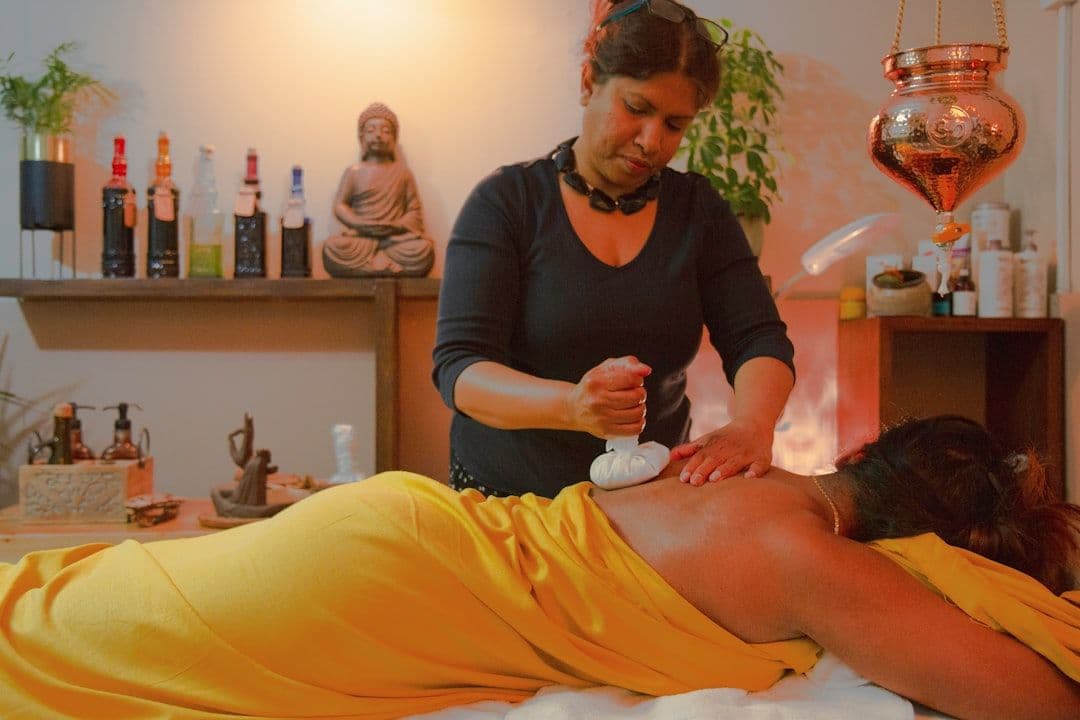
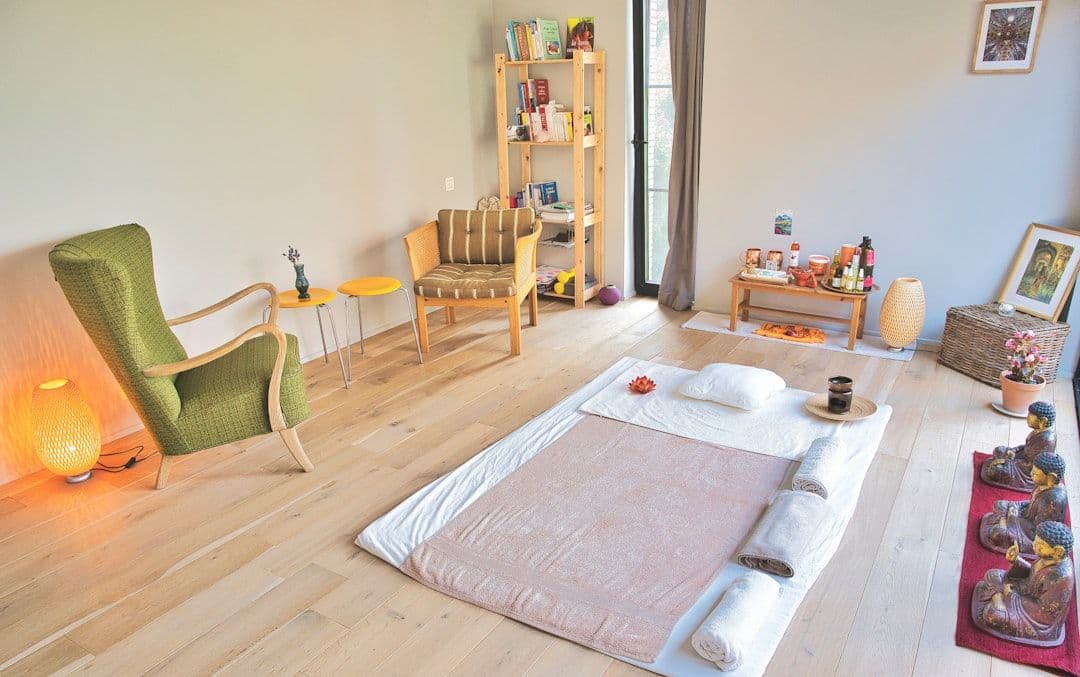
You'll then lie fully clothed on a massage table or comfortable mat. The practitioner spends 15-20 minutes assessing your aura through observation or intuitive sensing. Some work with their hands several inches above your body, others rely on visual perception of colors or energetic densities around you.
During this phase, you might notice the practitioner pausing at certain areas, taking notes, or quietly discussing what they perceive. The room is usually softly lit with gentle music playing. Your job is simply to relax and breathe naturally.
Rebalancing Techniques
The main treatment phase lasts 30-45 minutes and varies significantly between practitioners. Some use color visualization, guiding you to imagine specific hues flowing through or around your body. Others place crystals on or near you, believing different stones interact with particular energetic frequencies.
Many practitioners employ gentle touch or hands-off energy work, moving their hands slowly above your body to 'smooth' or 'strengthen' your perceived aura. You might feel warmth, tingling, or subtle pressure, though some people notice nothing physical at all.
Breathing techniques often feature, with practitioners guiding you to breathe specific colors or energies into areas they believe need attention. The overall atmosphere remains deeply peaceful, with practitioners working quietly and intuitively throughout.
During and After: What You Might Experience
Physical sensations vary enormously. Some people report feeling deeply relaxed, similar to during meditation or massage. Others notice warmth, gentle tingling, or a sense of energy moving through their body. Many feel nothing physical but describe emotional shifts or mental clarity.
Emotional responses can include tears, unexpected memories surfacing, or sudden insights about personal situations. Some people feel energized afterwards, while others feel sleepy and grounded. Both responses are considered normal within this framework.
In the hours following your session, you might feel unusually tired as your system supposedly integrates the energetic changes. Some people report vivid dreams, heightened intuition, or continued emotional processing. Others notice no particular aftereffects beyond the relaxation experienced during treatment.
Aftercare and Integration
Drink plenty of water for the rest of the day, as practitioners believe this supports energetic integration. Avoid intense physical exercise or emotionally demanding situations for a few hours if possible, allowing space for the subtle effects to settle.
Many practitioners suggest paying attention to your dreams, emotions, and energy levels over the following days. Keep a brief journal if you're curious about patterns or changes in your mood, sleep, or general sense of wellbeing.
Avoid alcohol for 24 hours post-session, and be gentle with yourself if emotions continue surfacing. Some practitioners recommend specific crystals to carry or particular colors to visualize during this integration period.
Building a Course of Treatment
Most practitioners suggest beginning with three to four sessions over 4-6 weeks to establish whether aura therapy feels beneficial for you. This allows time to experience the work while noticing any cumulative effects.
Sessions are typically spaced 1-2 weeks apart initially. Some people continue with monthly maintenance sessions, while others return during particularly stressful periods or life transitions when they feel their energetic system needs support.
The highly subjective nature of this work means there's no standard protocol. Your response to the sessions, combined with your personal interest in energetic approaches to wellbeing, determines whether ongoing treatment feels worthwhile. Many people integrate aura therapy with other complementary practices like meditation, yoga, or conventional counseling as part of their broader self-care routine.