What it is
A spiritual practice that works with your body's energy field to ease emotional and energetic imbalance.
Aura Therapy is a metaphysical healing practice that works with the energetic field believed to surround the human body, using techniques...

At a glance
What it is
A spiritual practice that works with your body's energy field to ease emotional and energetic imbalance.
Why explore it
Many seek it for stress relief, emotional release, or clarity during major life transitions.
How it’s experienced
A practitioner senses your energy field using hands, crystals, or light while you remain fully clothed.
Evidence context
Rooted in ancient tradition, it lacks clinical research and relies on personal, subjective experience.
See the evidence snapshotSafety
Generally low-risk, but avoid any practitioner who claims to diagnose illness or replace medical care.
See staying safeHistory & Origin
Aura Therapy focuses on healing imbalances within the aura to support physical and emotional wellness.
Aura Therapy has roots in ancient spiritual traditions that recognized the existence of subtle energy fields around living beings. Ancient Hindu texts describe the concept of the aura through references to energy bodies and chakras, while early Theosophical writings in the late 19th century brought Eastern concepts of energy fields to Western audiences. The practice gained momentum during the New Age movement of the 1960s and 1970s.
Key figures in the development of modern Aura Therapy include Theosophists like Annie Besant and Charles Leadbeater, who wrote extensively about auras and clairvoyant perception in the early 1900s. Later practitioners like Barbara Brennan, a former NASA physicist turned energy healer, developed structured approaches to working with human energy fields in the 1980s. Edgar Cayce, known as the 'sleeping prophet,' also contributed to popular understanding of auras through his psychic readings.
The practice spread through alternative healing communities, metaphysical bookstores, and holistic health centers throughout the latter half of the 20th century. Modern Aura Therapy incorporates elements from various traditions, including Reiki, crystal healing, and color therapy, creating an eclectic approach to energetic healing that continues to evolve within contemporary wellness circles.
Mechanism
Aura Therapy is generally framed as a guided process for attention, reflection, learning, and emotional integration. Depending on the method, a practitioner may use conversation, imagery, structured exercises, body awareness, or therapeutic techniques to help the person explore patterns and choices. It should not be presented as a standalone solution or a substitute for urgent care, but it may support self-understanding when practiced within an appropriate scope. Aura Therapy operates on the premise that the body is surrounded by an energetic field that reflects physical, emotional, and spiritual states.
Your first visit
A typical session outline to help you feel prepared
An aura therapy session gently explores your personal energy field through reading, balancing, and clearing work that leaves many people feeling lighter and more aligned.
Your practitioner warmly greets you and asks about your current physical, emotional, and spiritual concerns so they can tailor the session to where you are right now.
You'll chat briefly about what draws you to aura work and what you're hoping to experience, giving the practitioner helpful context before any energy reading begins.
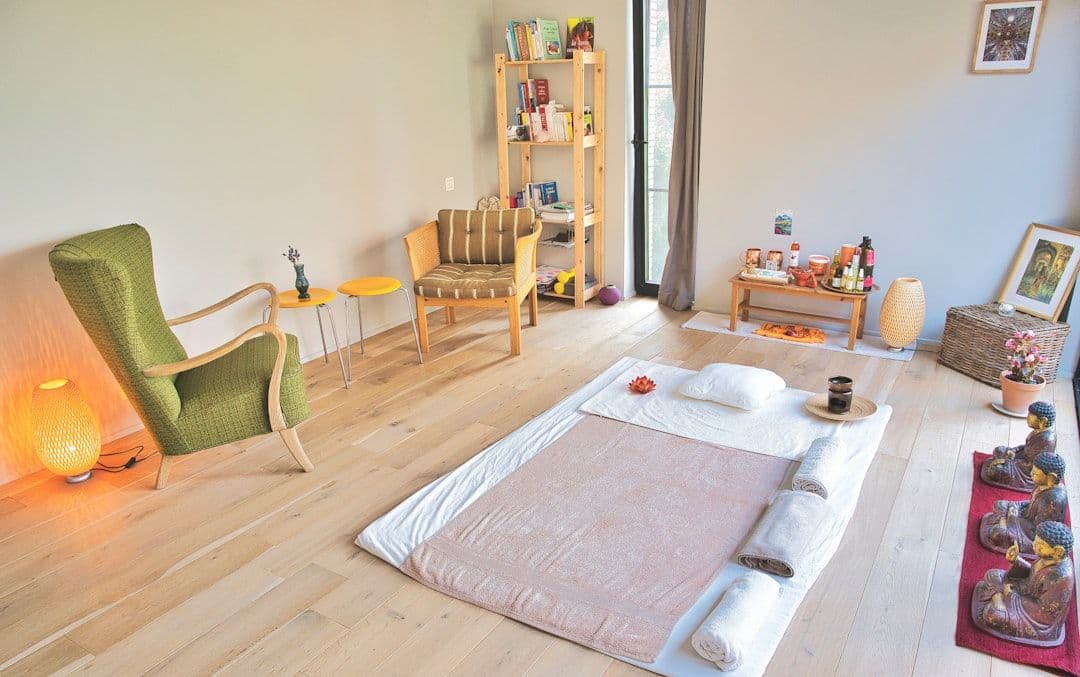
The practitioner prepares the room by dimming lights, playing soft music, and arranging crystals or colored light tools, creating a calm environment that supports energetic sensitivity.
You stand or sit fully clothed while the practitioner slowly moves their hands several inches from your body, scanning your aura for areas that feel dense, scattered, or depleted.
Using hand movements, crystals, colored lights, or guided breathwork, the practitioner works through your energy field layer by layer, encouraging areas that feel blocked to open and flow more freely.
You may be invited to breathe into areas of tension or visualize colors as the practitioner focuses on specific chakras or aura layers that stood out during the initial reading.
The practitioner gently signals the energy work is complete, often using grounding gestures or placing a crystal at your feet to help you feel settled and present before you sit up.
You discuss what the practitioner observed and what you felt, and they may suggest simple practices like hydration, rest, or color visualization to support the shifts over the coming days.
The Evidence
What research and tradition say about aura therapy, and how to approach it with informed expectations.
Rooted in tradition; not supported by conventional science
Aura Therapy sits within metaphysical healing traditions and has no empirical scientific support for its core premises. Benefits reported by individuals may reflect relaxation, focused attention, or the value of a caring practitioner interaction.
The concept of a human aura as a measurable or observable field has not been demonstrated through rigorous scientific methods. This practice is best understood as a metaphysical framework rather than a clinical one. Engaging with it meaningfully involves openness to its symbolic and experiential dimensions rather than expecting empirically verified outcomes.
Studies on related practices such as Reiki or therapeutic touch show inconsistent results and face significant methodological challenges. No peer-reviewed research directly validates aura therapy's proposed mechanisms. Reported benefits are more likely linked to relaxation responses or the therapeutic quality of practitioner attention than to energetic field changes.
References to subtle energy bodies appear in ancient Hindu texts and were later systematised in 19th-century Theosophical writings by figures like Annie Besant. Practitioners such as Barbara Brennan developed structured modern approaches in the 1980s. This long lineage gives the practice cultural and spiritual significance, even where scientific validation is absent.
Common reasons include seeking support during life transitions, processing emotional difficulty, or deepening spiritual self-awareness. These are legitimate personal goals. The value of a session may lie in the quality of reflective space it creates rather than in any measurable energetic effect. Keeping expectations grounded helps make the experience useful.
No physical manipulation or substances are typically involved, making this a low-risk practice for most people. Those with serious mental health conditions, including psychosis or severe dissociation, should speak with a healthcare provider first. Avoid practitioners who make inflated outcome claims, discourage professional medical care, or create financial or emotional dependency.
No internationally recognised licensing body governs aura therapy. Look for practitioners who are transparent about their training, respect your boundaries, and actively support your engagement with conventional healthcare where relevant. A trustworthy practitioner will not claim their work is a substitute for professional assessment or ongoing medical care.
Safety first
General guidance to help you decide whether this approach is appropriate for you. This is informational only and not a substitute for medical, psychological, or professional advice.
If you are pregnant, managing a health condition, recovering from injury or surgery, or taking medication, consult a qualified healthcare professional first.
Some situations call for extra care or a different approach. Share any conditions, injuries, or sensitivities with your practitioner before your first session.
Look for clear boundaries, transparent pricing, and practitioners who avoid fear-based claims or pressure to book frequent sessions.
Mild, short-lived effects such as tenderness, tiredness, or temporary soreness can occur. Rest, hydrate, and tell your practitioner how you respond.
For you?
A simple, human way to weigh it up. This is general guidance, not personal medical advice — a qualified practitioner can advise on your situation.
Gyfts is a discovery platform, not a medical provider. Nothing here diagnoses, treats or replaces professional care. In an emergency, contact your local emergency number.
Explore approaches
Other practices people often explore alongside aura therapy.
In their words
FAQ
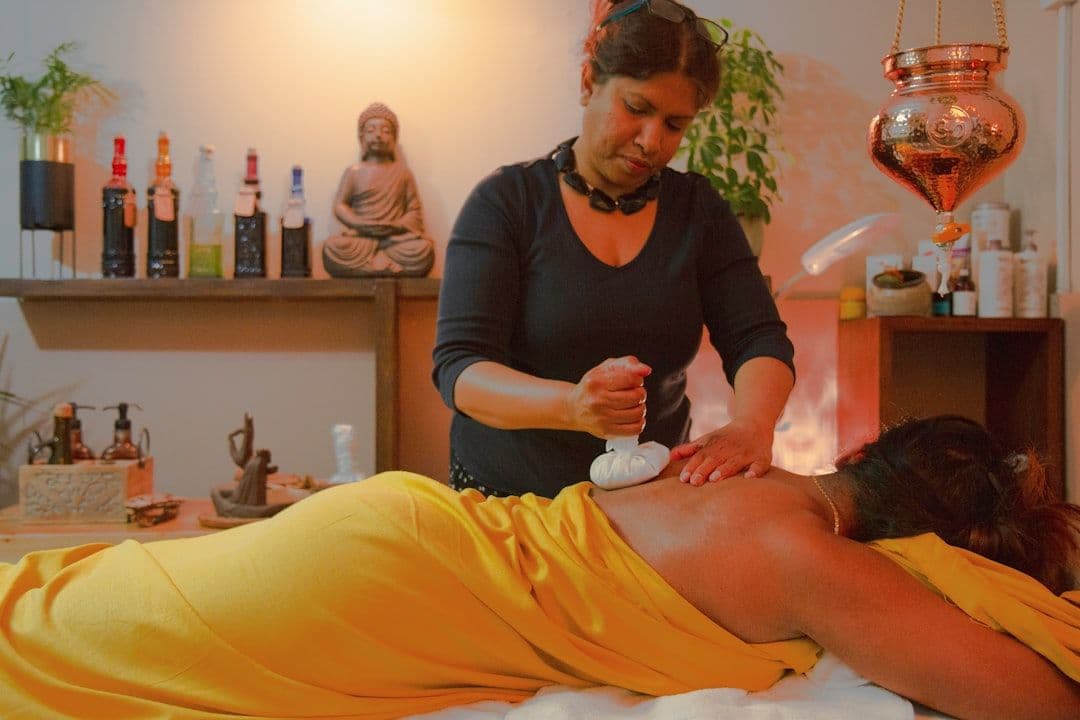
Sessions typically involve lying clothed on a treatment table while the practitioner works in your energy field using hand movements, crystals, colored lights, or other tools. You may experience sensations of warmth, tingling, or deep relaxation, though responses vary greatly. Sessions usually last 60-90 minutes and include time for discussion before and after the energy work.
The number of sessions varies greatly depending on individual goals and responses. Some people feel benefits after a single session, while others prefer regular ongoing sessions for maintenance. Many practitioners recommend starting with 3-4 sessions to establish a baseline, then adjusting frequency based on your experience and needs.
No, aura therapy should not replace conventional medical treatment for serious health conditions. It's best used as a complementary approach alongside appropriate medical care. Always consult with healthcare providers about serious physical or mental health concerns.
Experiences vary widely between individuals. Some people report sensations of warmth, tingling, deep relaxation, or emotional releases. Others may feel very little during the session but notice subtle changes in mood or energy over the following days. There's no 'correct' way to respond to aura therapy.
Look for practitioners with training from recognized schools or organizations, clear professional boundaries, and positive testimonials. They should be willing to explain their approach, respect your comfort level, and support your overall healthcare team. Avoid practitioners who make unrealistic claims or discourage conventional medical care.
References
Educational sources that inform this overview. Inclusion is for context and does not imply endorsement.
Full citations are maintained by the Gyfts editorial team and reviewed periodically.
Keep exploring
Browse practitioners, explore honest overviews, and take what you learn to a conversation — at your own pace.