The Science of Self-Healing
Picture drawing a small vial of your own blood, spinning it in a centrifuge until it separates into distinct layers like a miniature sunset, then injecting the golden plasma layer—now concentrated with healing factors—directly into your painful knee. This is Autologous Conditioned Plasma therapy, where 'autologous' simply means 'from yourself'.
ACP represents a shift from introducing foreign substances into the body toward amplifying your own repair mechanisms. Rather than masking pain or suppressing inflammation wholesale, the treatment concentrates platelets and growth factors already circulating in your bloodstream and delivers them precisely where healing is needed.
The appeal lies in its biological logic: if your body naturally sends these repair signals to injured tissue, why not concentrate and enhance that process? It's regenerative medicine at its most straightforward—no stem cells, no synthetic materials, just your own biology optimized and redirected.
From Sports Medicine to Mainstream
ACP therapy emerged from the broader field of platelet-rich plasma (PRP) treatments, which gained prominence in sports medicine during the early 2000s. Elite athletes seeking faster recovery from tendon and ligament injuries drove initial interest, with high-profile cases making headlines when footballers and tennis players credited PRP injections for their swift returns to competition.
The technology evolved as researchers refined preparation methods. ACP specifically refers to a standardized approach developed in Germany, using double-spin centrifugation to achieve consistent platelet concentrations. Unlike some PRP preparations that add activating chemicals, ACP relies on the body's natural clotting cascade when the plasma contacts damaged tissue.
What began as an experimental treatment for professional athletes has gradually entered mainstream medicine. Orthopaedic surgeons now commonly offer ACP for conditions ranging from tennis elbow to knee osteoarthritis, particularly when conventional treatments have reached their limits but surgery seems premature.
How Concentrated Healing Works
The biological rationale centers on platelets—those small blood cells best known for forming clots. Beyond stopping bleeding, platelets release over 30 different growth factors and signalling proteins that orchestrate tissue repair. These include platelet-derived growth factor (PDGF), transforming growth factor-beta (TGF-β), and vascular endothelial growth factor (VEGF).
During ACP preparation, centrifugation increases platelet concentration 3-7 times above baseline levels. When injected into damaged tissue, these concentrated platelets encounter collagen and other proteins that trigger degranulation—the release of their growth factor cargo. This creates a localised environment rich in repair signals.
The theory suggests this concentrated burst of growth factors stimulates several healing processes simultaneously: enhanced collagen synthesis for stronger tissue, improved blood vessel formation for better nutrient delivery, and modulation of inflammatory responses to promote resolution rather than chronic inflammation. However, translating this biological plausibility into consistent clinical outcomes remains an area of active research.
Who Responds Best
Research shows strongest evidence for knee osteoarthritis, where multiple studies demonstrate pain reduction and improved function lasting 6-18 months. Patients with mild to moderate arthritis typically respond better than those with severe joint damage, suggesting ACP works best when some healthy tissue remains to respond to growth factors.
Tendon conditions represent another promising application. Tennis elbow (lateral epicondylitis) and Achilles tendinopathy have shown positive responses in clinical trials, particularly chronic cases that haven't responded to physiotherapy or other conservative measures. The key seems to be selecting patients with tendinosis—degenerative tendon changes—rather than acute inflammatory conditions.
Younger patients and those with localised rather than widespread joint problems tend to experience better outcomes. People who maintain reasonable activity levels and aren't significantly overweight also appear more likely to benefit. Conversely, those with autoimmune conditions, severe diabetes, or poor general health may see limited improvement.
What to Expect During Treatment
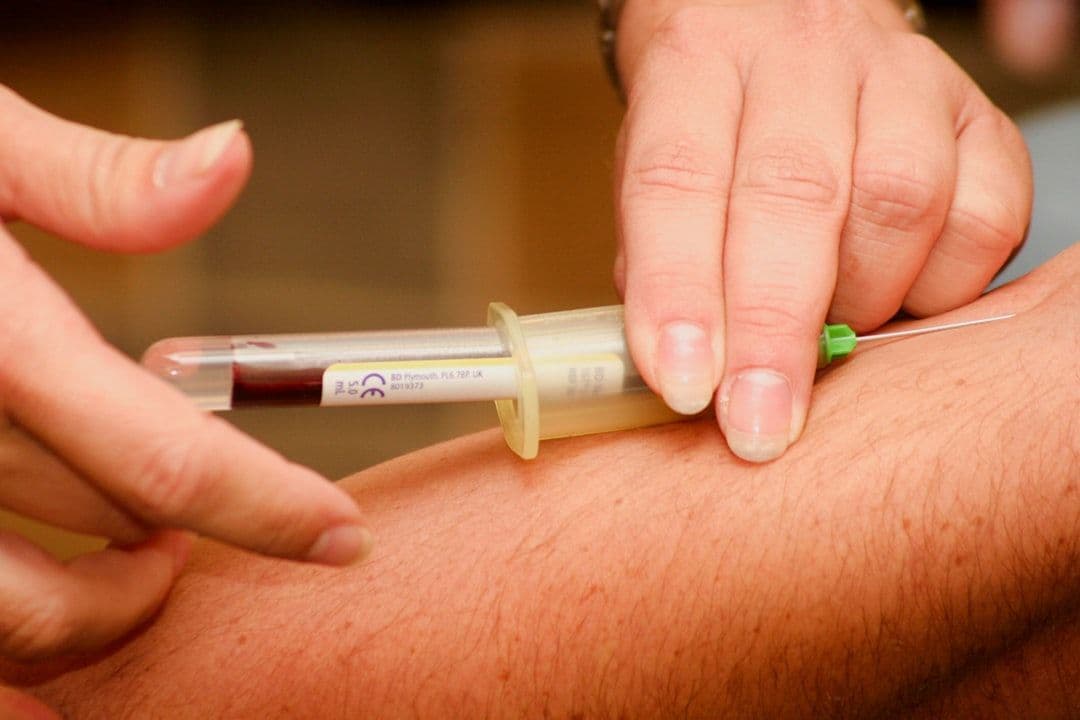
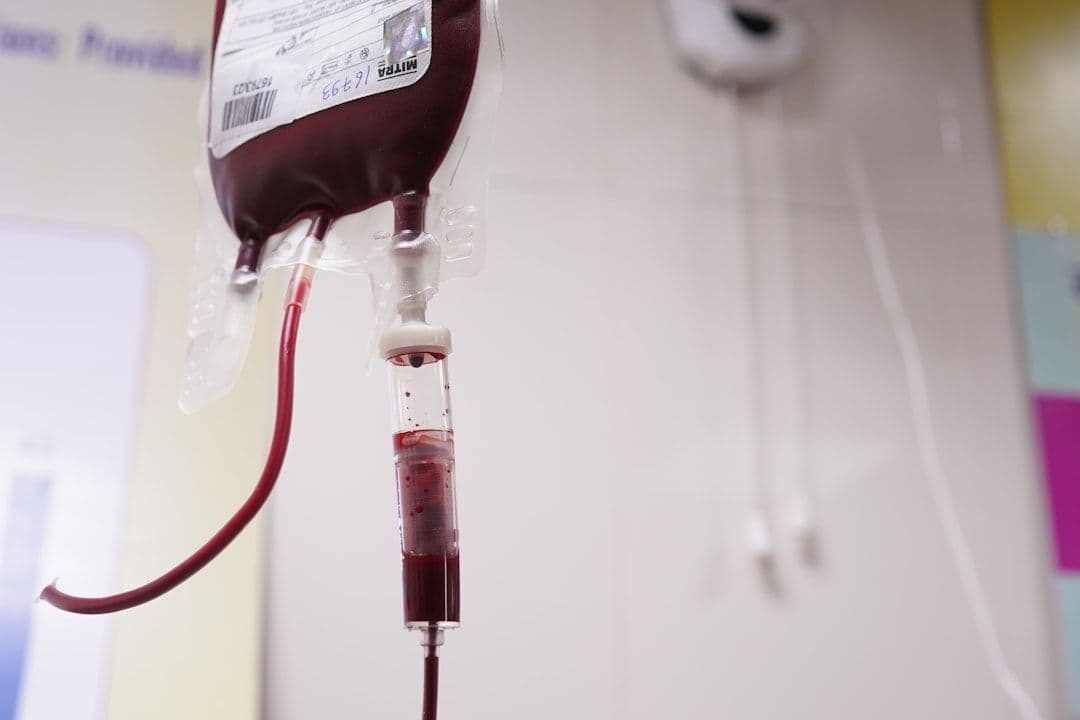
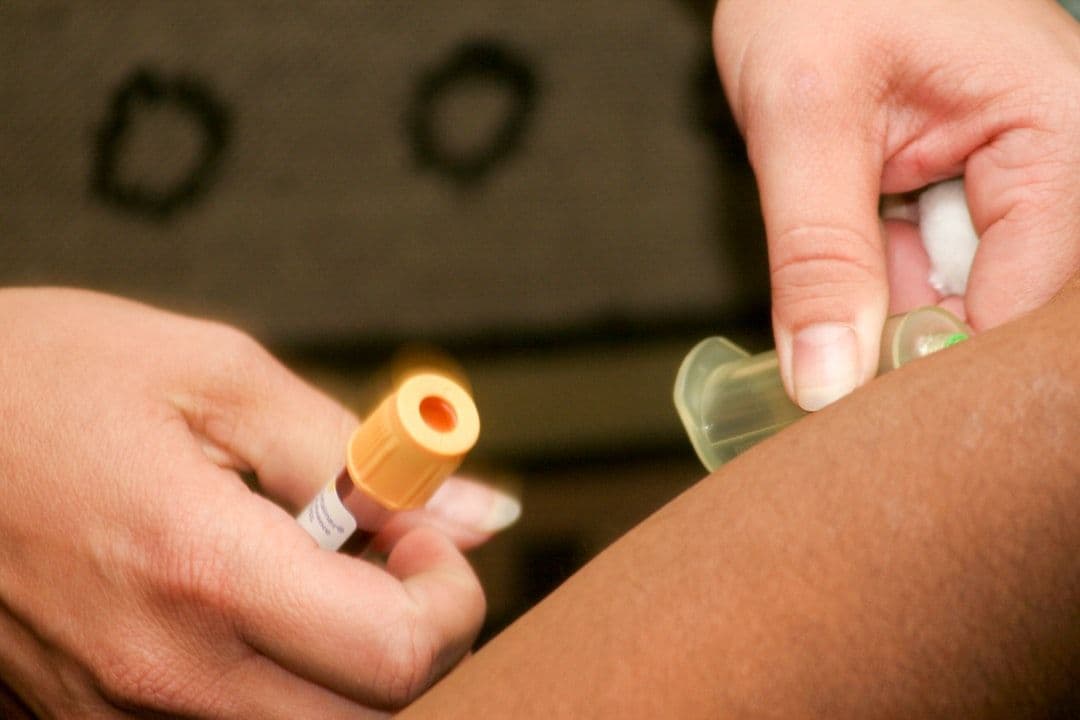
The procedure typically takes 30-45 minutes in a clinic setting. After reviewing your medical history and examining the affected area, the practitioner draws 10-20ml of blood from your arm using a standard blood collection tube containing an anticoagulant.
The blood sample undergoes dual centrifugation: first at a lower speed to separate red blood cells, then at higher speed to concentrate platelets within the plasma. This creates approximately 3-6ml of conditioned plasma, which appears golden-yellow and slightly cloudy due to the concentrated cellular components.
Using ultrasound or anatomical landmarks for guidance, the practitioner injects the ACP directly into the affected tissue. This injection may cause temporary discomfort, particularly in weight-bearing joints. You'll typically rest for 10-15 minutes post-injection before being discharged with activity guidelines.
Most protocols involve 2-3 treatments spaced 1-2 weeks apart. Improvement often begins 4-6 weeks after the initial injection, with maximum benefit typically achieved by 12 weeks. Some practitioners recommend a single 'booster' injection 6-12 months later if symptoms begin returning.
The Evidence Landscape
Clinical trials consistently show ACP outperforming steroid injections for knee osteoarthritis, with benefits lasting significantly longer. A 2019 systematic review found ACP provided superior pain relief and functional improvement compared to hyaluronic acid injections, another common treatment for knee arthritis.
For tendon conditions, evidence varies by location and preparation method. Tennis elbow studies show promising results, with some trials reporting 70-80% improvement rates at six months. However, Achilles tendinopathy research presents mixed findings, possibly due to differences in injection technique and patient selection criteria.
Important limitations remain. Study protocols vary widely in blood preparation methods, injection frequency, and outcome measures. Most trials follow patients for only 6-12 months, leaving long-term effects unclear. Additionally, the lack of true placebo controls—it's difficult to blind patients to having their blood drawn—may influence reported outcomes.
While current evidence supports ACP for specific conditions, researchers continue investigating optimal protocols and patient selection criteria to improve consistency of results.
Practical Considerations
ACP therapy typically costs £300-800 per session, with most people requiring 2-3 treatments. Private health insurance coverage varies, with some policies covering the procedure for specific conditions when conservative treatments have failed. NHS availability remains limited, primarily offered through specialist centers for research or specific clinical indications.
Look for practitioners with proper medical qualifications—typically orthopedic surgeons, sports medicine physicians, or rheumatologists with specific training in injection techniques. The clinic should use CE-marked centrifuge systems and maintain strict sterile procedures. Ask about their experience with your specific condition and their typical success rates.
Most people return to normal activities within 24-48 hours, though you may need to avoid high-impact exercise for 1-2 weeks following injection. Some practitioners recommend combining ACP with physiotherapy to optimize outcomes, particularly for tendon conditions where addressing underlying biomechanical issues proves crucial for long-term success.