What it is
Your own blood is spun down and reinjected to help tendons and joints heal naturally.
Autologous Conditioned Plasma (ACP) Therapy is a regenerative medicine treatment that uses a patient's own concentrated plasma, rich in p...
At a glance
What it is
Your own blood is spun down and reinjected to help tendons and joints heal naturally.
Why explore it
ACP may help with tendon pain and osteoarthritis using your body's own healing biology.
How it’s experienced
A quick blood draw, a centrifuge, and a guided injection — most sessions wrap up in under an hour.
Evidence context
Evidence is promising for some joint and tendon conditions, though results vary across studies.
See the evidence snapshotSafety
Using your own blood keeps risks low; soreness is common, but some conditions need clearance first.
See staying safeHistory & Origin
ACP Therapy uses a patient's own plasma, enriched and reinjected to promote healing in injured tissues.
Autologous Conditioned Plasma Therapy emerged from the broader field of platelet-rich plasma (PRP) treatments, which began developing in the 1970s and 1980s. The concept originated from observations that platelets play a crucial role in wound healing through the release of growth factors. Early applications were primarily in oral and maxillofacial surgery, where surgeons noticed improved healing when platelet concentrates were applied to surgical sites.
The development of ACP as a specific technique can be traced to advances in blood processing technology and a growing understanding of regenerative medicine principles. In the 1990s and early 2000s, researchers and clinicians began exploring more refined methods of plasma preparation that could optimize the concentration of healing factors while minimizing unwanted inflammatory components. This led to the development of various proprietary systems for processing blood plasma.
ACP gained significant attention in orthopedic and sports medicine during the 2000s, particularly as professional athletes began using plasma-based treatments for injury recovery. The technique spread from specialized sports medicine clinics to mainstream orthopedic practice as equipment became more accessible and standardized protocols were developed.
Today, ACP represents one of several autologous blood product therapies used in regenerative medicine, with ongoing research investigating optimal preparation methods, injection techniques, and clinical applications across various medical specialties.
Mechanism
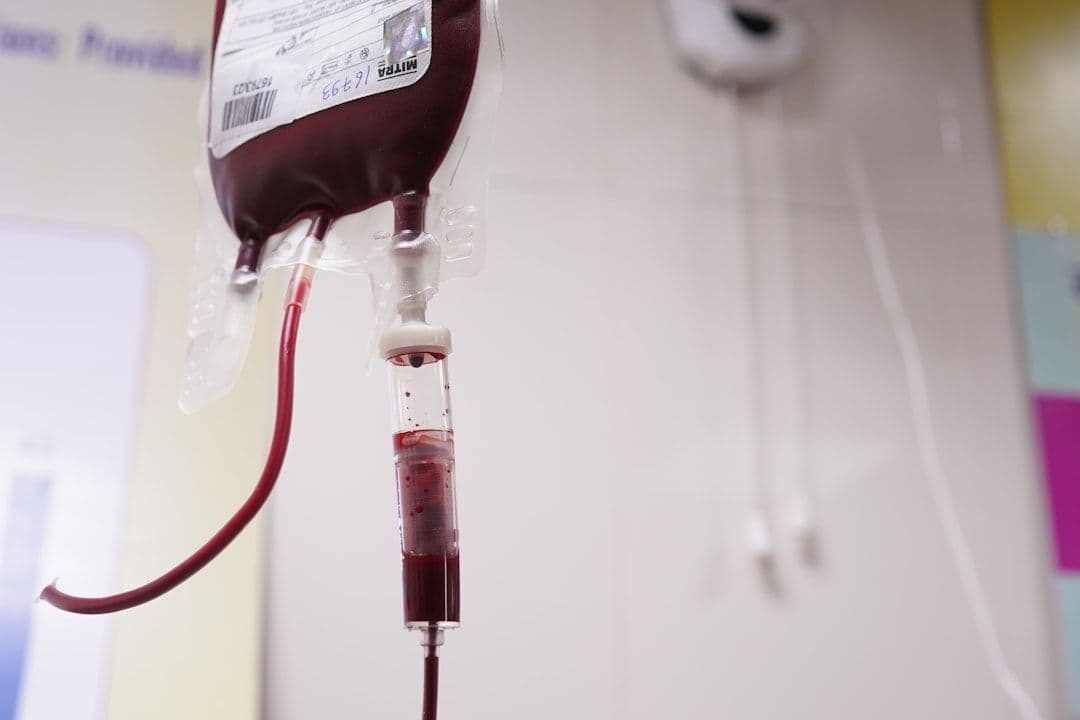
Autologous Conditioned Plasma Therapy (ACP) is generally framed as a guided process for attention, reflection, learning, and emotional integration. Depending on the method, a practitioner may use conversation, imagery, structured exercises, body awareness, or therapeutic techniques to help the person explore patterns and choices. It should not be presented as a standalone solution or a substitute for urgent care, but it may support self-understanding when practiced within an appropriate scope. Autologous Conditioned Plasma (ACP) therapy involves drawing a small sample of the patient's own blood, which is then centrifuged to separate and concentrate platelets and growth factors within the plasma.
Your first visit
A typical session outline to help you feel prepared
ACP therapy draws a small sample of your own blood, concentrates the plasma, and guides it back into the area needing support — a focused, in-office session usually wrapping up within an hour.
You'll arrive and complete any remaining intake paperwork, including a brief health history review. Your provider confirms your goals for the session and answers any last-minute questions.
Your provider reviews the target area — often a joint, tendon, or site of discomfort — and may do a quick physical assessment to confirm placement. This ensures the injection site is mapped accurately
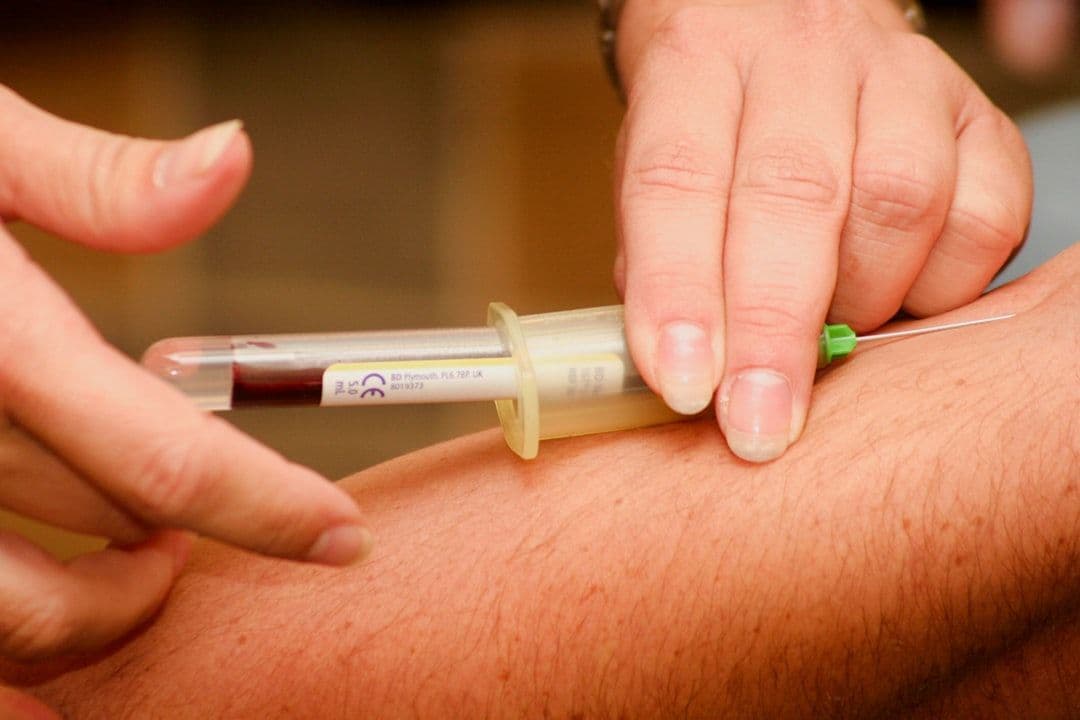
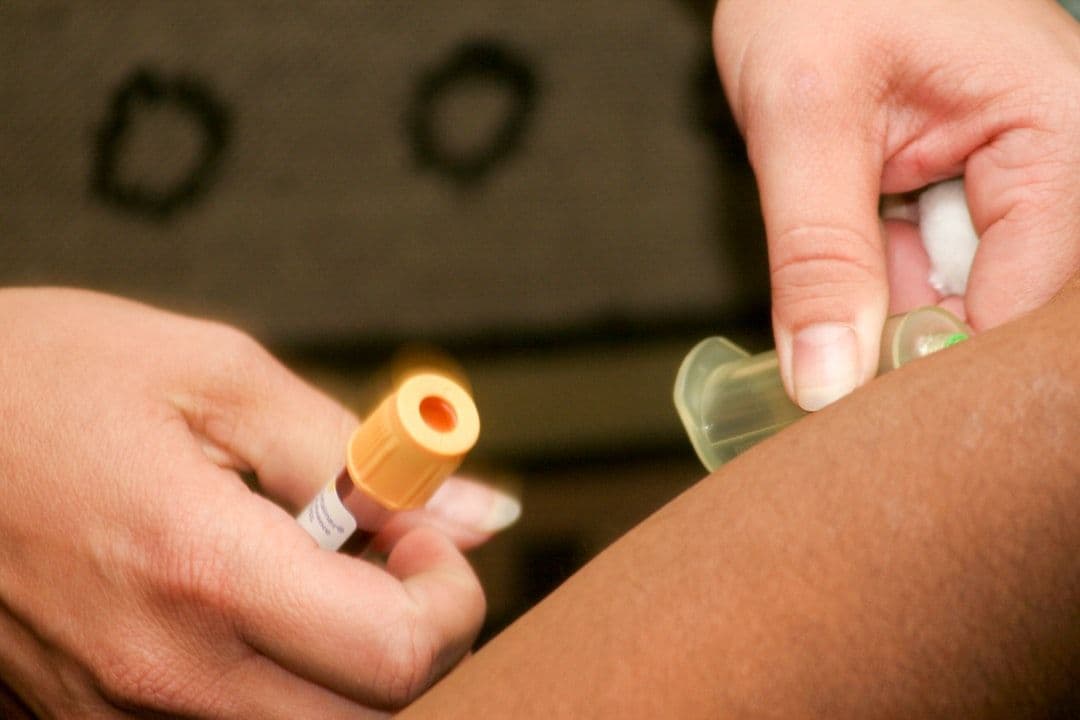
A small amount of your own blood, typically 15–60 mL depending on your provider's protocol, is drawn from a vein in your arm just like a routine blood test. The area is cleaned with an antiseptic and
Your blood sample is placed into a specialized centrifuge device and spun for roughly 5–8 minutes, separating the plasma concentrate from red blood cells. You'll simply wait comfortably in the room while this happens.
Your provider draws the concentrated plasma into a syringe, inspecting it before use. The target area on your body is cleaned and, if needed, a local anesthetic is applied to minimize discomfort during the injection.
Using precise placement — sometimes guided by ultrasound imaging — your provider injects the conditioned plasma directly into the targeted tissue. You may feel mild pressure, a brief ache, or a sense
You'll rest for 10–15 minutes after the injection so your provider can monitor for any immediate reactions. This is normal protocol and a good time to ask any follow-up questions about the coming days.
Before you leave, your provider walks you through what to expect over the next 24–72 hours, including mild soreness, activity modifications, and when to follow up. You'll typically be able to drive yo
The Evidence
What research currently shows about Autologous Conditioned Plasma Therapy for musculoskeletal conditions.
Promising results for joints and tendons, with some variability
ACP therapy has a growing body of research, particularly for knee osteoarthritis and certain tendon conditions. Results are generally positive but inconsistent across studies, partly due to differences in preparation methods and protocols.
Multiple randomised controlled trials show meaningful improvements in pain and function for mild to moderate knee osteoarthritis, with effects lasting 6–12 months. Some studies show outcomes comparable to or better than hyaluronic acid or corticosteroid injections. Evidence for tendon conditions such as lateral epicondylitis is more mixed, with some trials showing benefit and others showing minimal advantage over placebo.
Significant variation in how plasma is processed, concentrated, and injected affects outcomes and complicates interpretation across trials. Sample sizes in many studies are small, and long-term data beyond 12 months remain limited. These gaps mean results should be understood as promising but not yet definitive across all conditions and patient groups.
Within the MACH framework, ACP sits in the complementary category — it draws on the body's own biological material and is often integrated with physiotherapy, rehabilitation, or conventional orthopaedic management. It is not a substitute for professional assessment of the underlying condition, and decisions about its use are best made in consultation with a qualified healthcare provider.
Because the plasma is autologous, systemic adverse reactions are uncommon. Temporary soreness, swelling, or bruising at the injection site are the most frequently reported effects. Sterile technique and proper blood-handling protocols are essential. People with active infections, blood disorders, anticoagulant use, severe anaemia, or a history of blood cancers should seek medical clearance before considering this therapy.
Research suggests that the method used to process plasma significantly affects the concentration of growth factors and the clinical result. Seek practitioners with specific training in ACP or platelet-based therapies, working in a facility with appropriate blood-handling standards. Ask about the system used for plasma preparation and the practitioner's experience with your specific condition before proceeding.
Typical applications include knee osteoarthritis, patellar tendinopathy, lateral epicondylitis, and other chronic soft tissue conditions where conventional options have provided limited relief. It is generally considered after conservative measures such as physiotherapy have been explored. Individual responses vary, and not all conditions or severity levels have equivalent evidence supporting its use.
Safety first
General guidance to help you decide whether this approach is appropriate for you. This is informational only and not a substitute for medical, psychological, or professional advice.
If you are pregnant, managing a health condition, recovering from injury or surgery, or taking medication, consult a qualified healthcare professional first.
Some situations call for extra care or a different approach. Share any conditions, injuries, or sensitivities with your practitioner before your first session.
Look for clear boundaries, transparent pricing, and practitioners who avoid fear-based claims or pressure to book frequent sessions.
Mild, short-lived effects such as tenderness, tiredness, or temporary soreness can occur. Rest, hydrate, and tell your practitioner how you respond.
For you?
A simple, human way to weigh it up. This is general guidance, not personal medical advice — a qualified practitioner can advise on your situation.
Gyfts is a discovery platform, not a medical provider. Nothing here diagnoses, treats or replaces professional care. In an emergency, contact your local emergency number.
Explore approaches
Other practices people often explore alongside autologous conditioned plasma therapy (acp).
In their words
FAQ
A session involves drawing a small amount of your blood, processing it in a centrifuge to concentrate the plasma and platelets, then injecting this concentrated plasma into the affected area. The entire process typically takes 45-60 minutes, with most of that time spent processing the blood sample.
Most patients require 1-3 treatments spaced 2-6 weeks apart, depending on the condition and individual response. Some people notice improvement after one treatment, while others may need multiple sessions. Your practitioner will assess your progress and determine the optimal treatment schedule.
Most patients experience minimal discomfort during the blood draw and injection. Local anesthetic may be used to numb the injection site. Some temporary soreness, swelling, or stiffness at the injection site is normal and typically resolves within a few days.
Initial improvement may be noticed within 2-6 weeks, with continued improvement over 2-6 months as the healing process progresses. Some patients experience temporary increased pain or stiffness in the first week before improvement begins.
Side effects are generally minimal since you're using your own blood products. Common temporary effects include mild pain, swelling, or stiffness at the injection site. Serious complications are rare but can include infection or nerve injury if proper technique isn't followed.
References
Educational sources that inform this overview. Inclusion is for context and does not imply endorsement.
Full citations are maintained by the Gyfts editorial team and reviewed periodically.
Keep exploring
Browse practitioners, explore honest overviews, and take what you learn to a conversation — at your own pace.